Moldova backs recognizing Soviet famine as crime against humanity
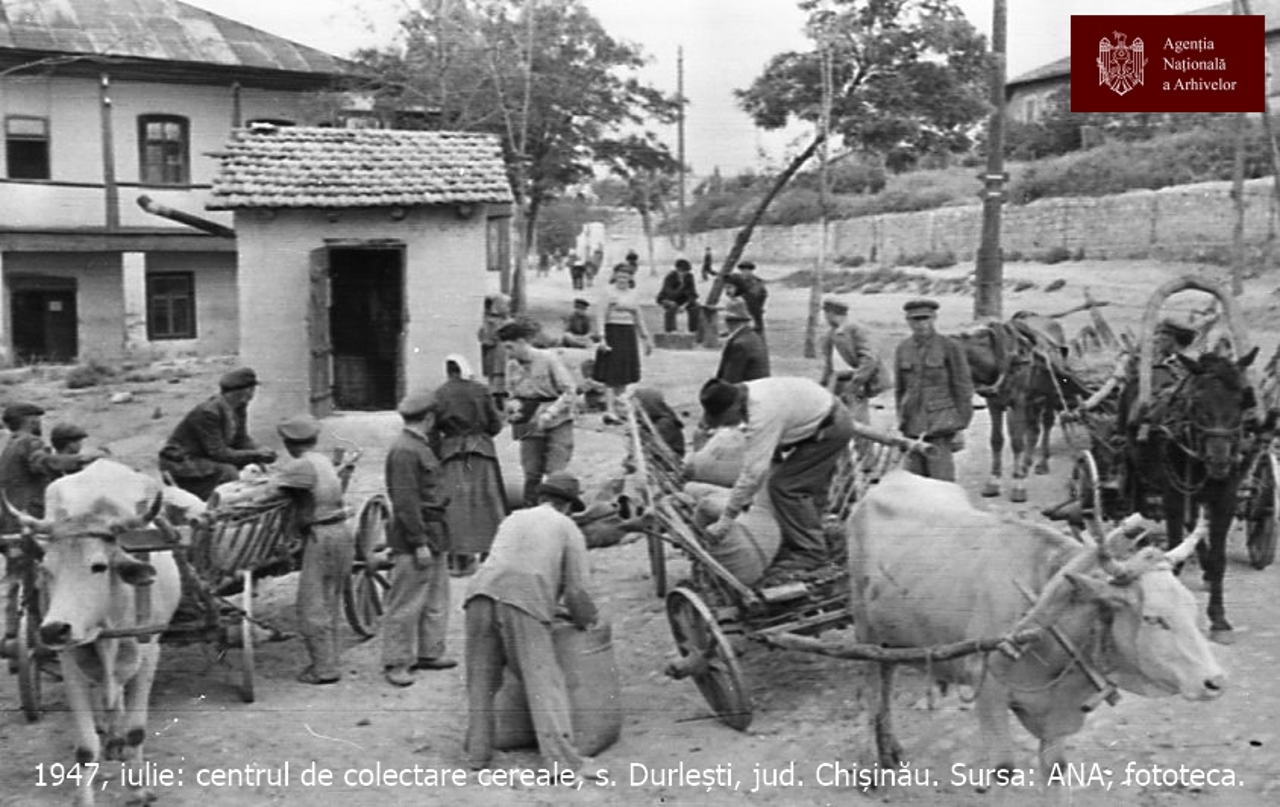
The Moldovan Cabinet has issued a favorable opinion on a draft law seeking to recognize the artificially induced famine of 1946–1947 as a crime against humanity committed by the Soviet regime.
The tragic period devastated more than 100,000 families across the region. Culture Minister Dan Suruceanu emphasized that documenting these events remains essential for historical memory and honoring the victims.
Legal and conceptual refinements needed
Despite supporting the intent, executive officials noted that the bill requires further legal clarity. The Cabinet highlighted that the draft mixes criminal law, archival regulations, and victim rehabilitation without a unified framework.
Government analysts stressed that historical conclusions in the law's preamble must rely on rigorous academic research. Without solid evidence, ministers warned, the declarations risk remaining purely symbolic.
Culture Ministry representatives added that while official recognition reflects state policy, the resolution holds political weight rather than direct legal force. Authors must clarify whether the bill aims to establish binding legal mechanisms or state a formal parliamentary position.
Archival access and memorialization
The proposed legislation also seeks to streamline historical research. Under the draft, relevant archival documents will be identified and digitized for electronic access without moving original historical records.
Additionally, the bill introduces definitions for public denial and historical distortion. However, the Cabinet recommended revising these terms to avoid legal overlap, particularly if public denial becomes subject to criminal penalties.
Victims of the 1946–1947 famine are commemorated annually in Moldova on the third Saturday of April. The initiative also outlines plans for new monuments, museums, and memorials.
Translation by Iurie Tataru