Moldova parliament backs tighter Romanian-language broadcast quotas
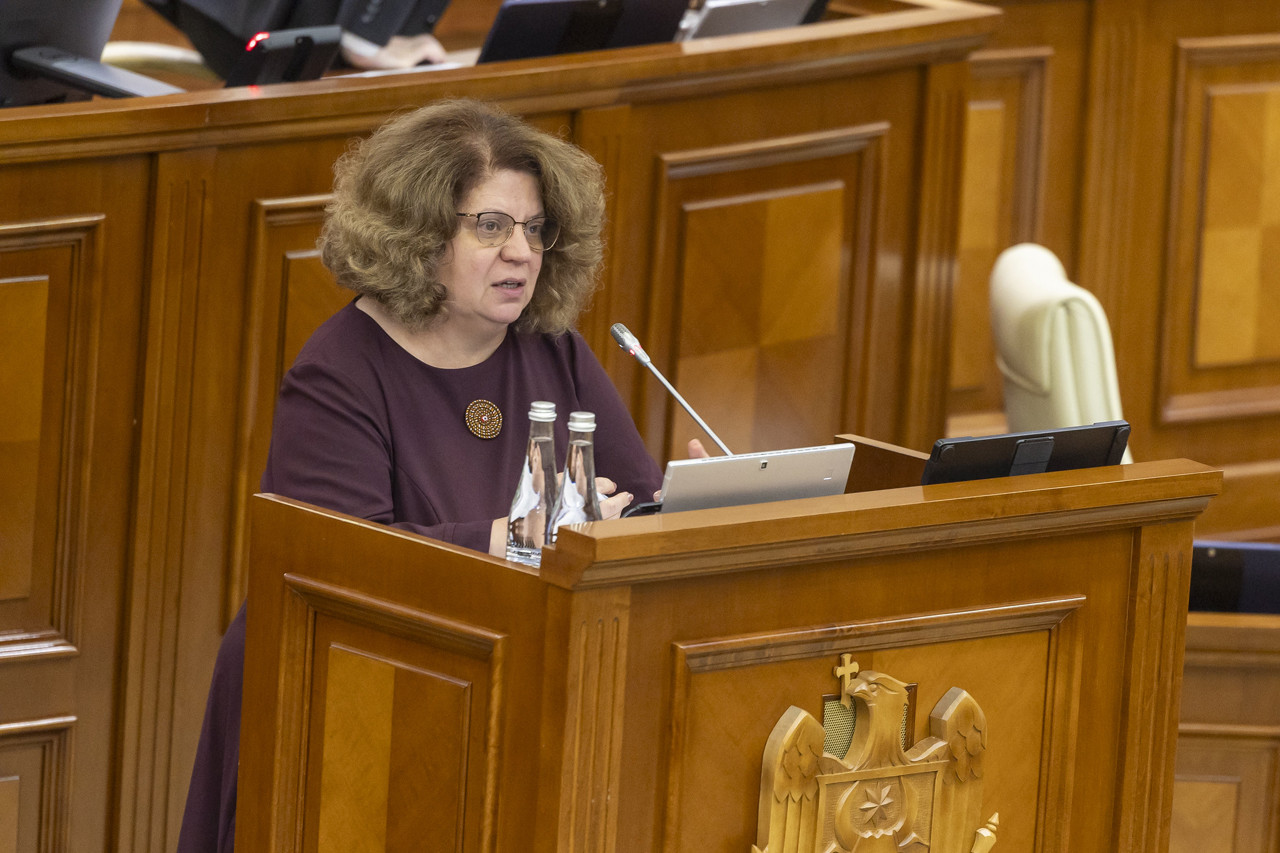
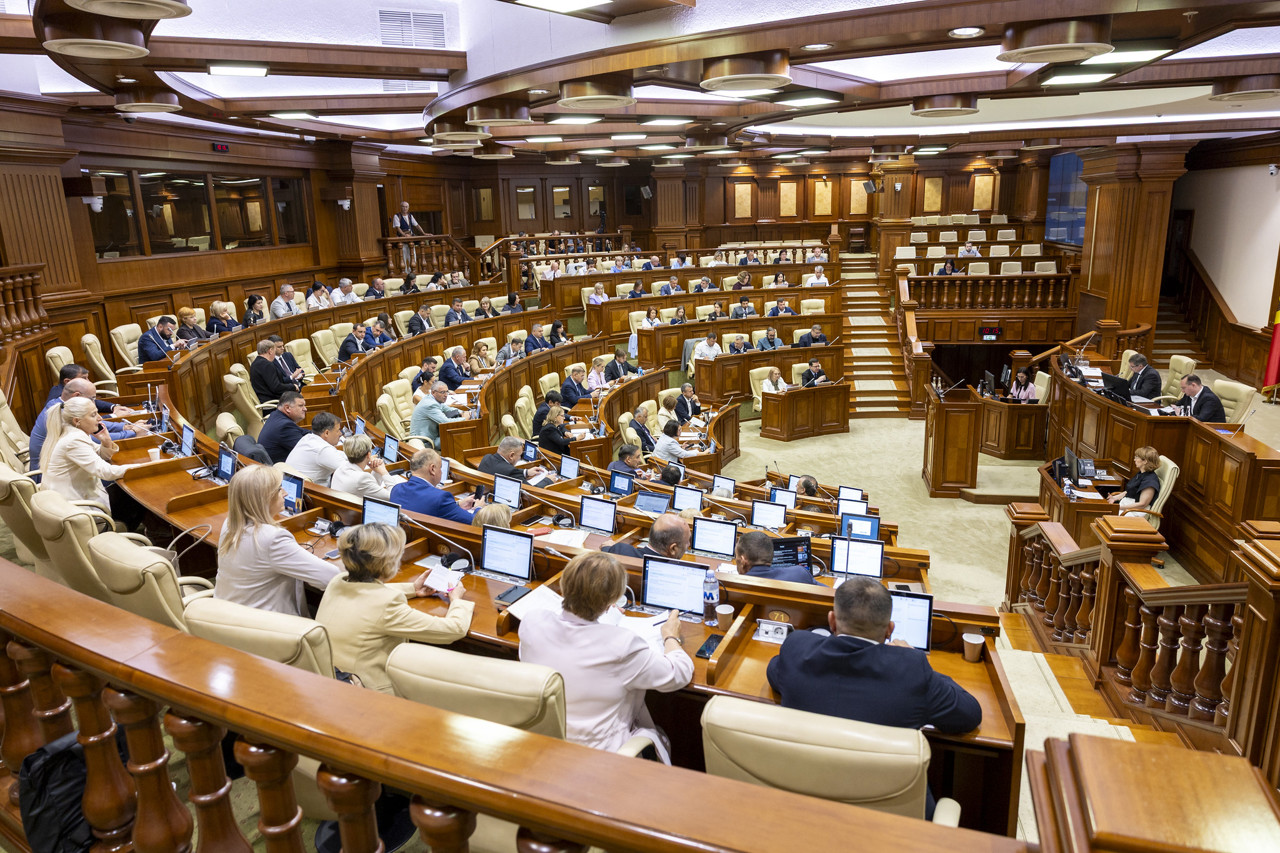
Moldova's parliament has passed the first reading of an amendment package to the Audiovisual Media Services Code. The legislation raises the minimum share of Romanian-language or Romanian-dubbed/subtitled television channels in distributor packages from 50% to 60%.
The draft law also introduces strict safeguards regarding national security and strengthens regulatory oversight. If fully approved, the new provisions will take effect on January 1, 2027.
Higher quotas for domestic content
Under the new rules, domestic television providers must allocate at least 50% of their programming to Romanian-language content. Exceptions apply exclusively to broadcasters operating in territorial units where an ethnic minority forms the demographic majority.
The reform increases the quota for local musical compositions from 10% to 20% of weekly airtime. Furthermore, local independent audiovisual productions must comprise at least 5% of weekly broadcasts, alongside a 10% requirement for independent European works.
Expanded authority for media regulator
The amendments grant the Audiovisual Council enhanced powers to temporarily suspend services that propagate hate speech, endanger minors, or threaten national security. The legal framework now incorporates the definition of an "imminent threat of irreparable harm" to streamline security reviews of foreign media investments.
The legislation also integrates the public broadcaster of the Autonomous Territorial Unit of Gagauzia (GRT) into the national supervisory framework. This mechanism standardizes the appointment of board members, general management, and public reporting requirements.
Opposition concerns and government defense
Opposition lawmakers strongly criticized the initiative, arguing that the changes centralize control and disproportionately target Russian-language broadcasting. Critics also contended that new audit powers effectively turn the media regulator into an intrusive supervisory agency.
Lawmakers from the governing Action and Solidarity Party (PAS) defended the measure as an essential step to protect editorial independence and counter foreign disinformation networks. The bill secured 53 votes in its first reading and now awaits a final parliamentary vote.
Translation by Iurie Tataru