Moldova extends energy and water alert states for 30 days
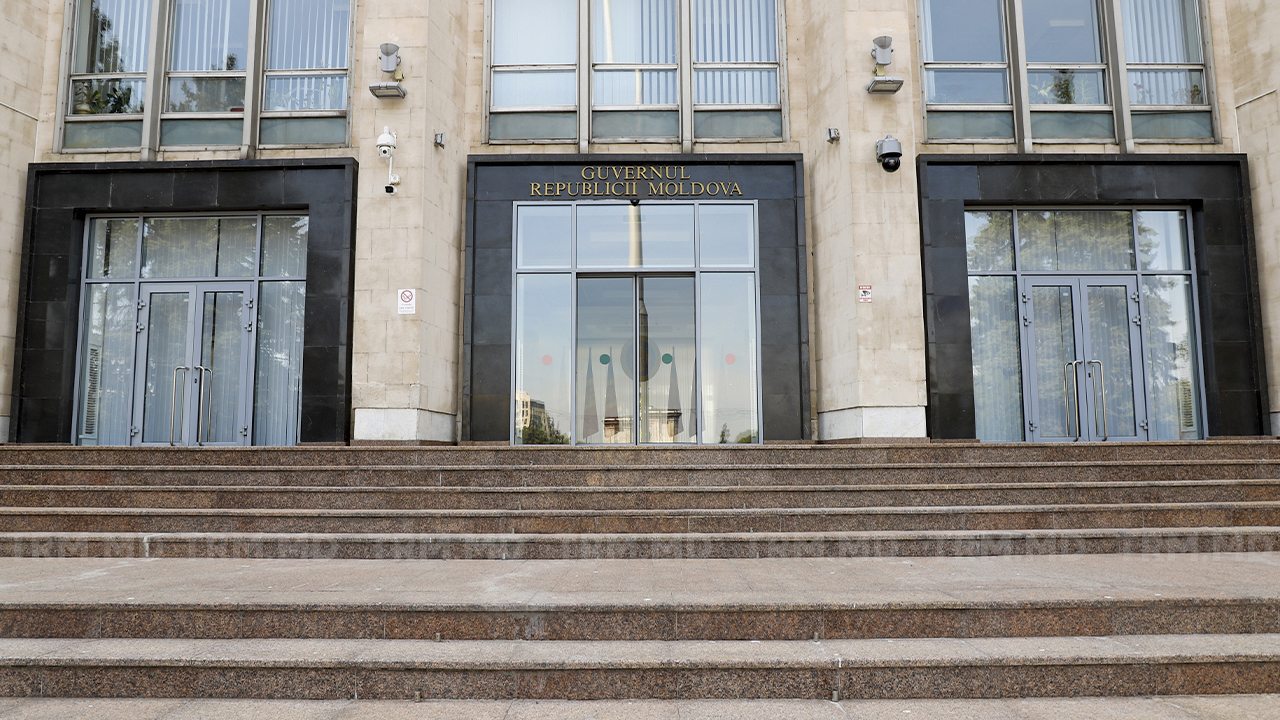
Moldova has extended its sector-wide energy and hydrological states of alert for an additional 30 days during a cabinet meeting on August 26. The decision addresses persistent supply chain disruptions in refined petroleum markets and critical water depletion across major transboundary reservoirs.
Executive emergency powers allow state institutions to bypass bureaucratic bottlenecks, secure strategic reserves, and guarantee uninterrupted utility access for households and critical public infrastructure.
Stabilizing national fuel reserves
Regional logistics disruptions caused severe fuel shortages in late July, leaving over 100 filling stations without diesel and reducing national reserves below five days of consumption. Joint interventions by the Ministry of Energy and the Prime Minister’s Office have since expanded domestic diesel reserves to eight days.
The number of unsupplied retail sites has dropped below 33 stations, limited strictly to secondary re-sellers rather than primary fuel importers. The government also confirmed the temporary deferral of an extra fuel surcharge of €0.02 (approx. 0.48 MDL) per liter to shield consumers from elevated market prices.
Mitigating severe hydrological stress
Hydrological alerts remain in effect as prolonged drought leaves water levels at the Novodnistrovsk and Costești-Stânca reservoirs significantly below safe operational thresholds. Several inland rivers have dried up almost entirely, raising concerns over water security for schools, hospitals, and residential networks.
To protect raw water supplies along the shared Dniester River, Moldovan and Ukrainian authorities agreed to maintain controlled dam discharges from Novodnistrovsk at 75 cubic meters per second through late August. Continued alert powers enable authorities to curb unauthorized water extractions and enforce maintenance across regional well infrastructure.
Translation by Iurie Tataru