Moldova local authorities unlock direct EU funding via EAST GATE
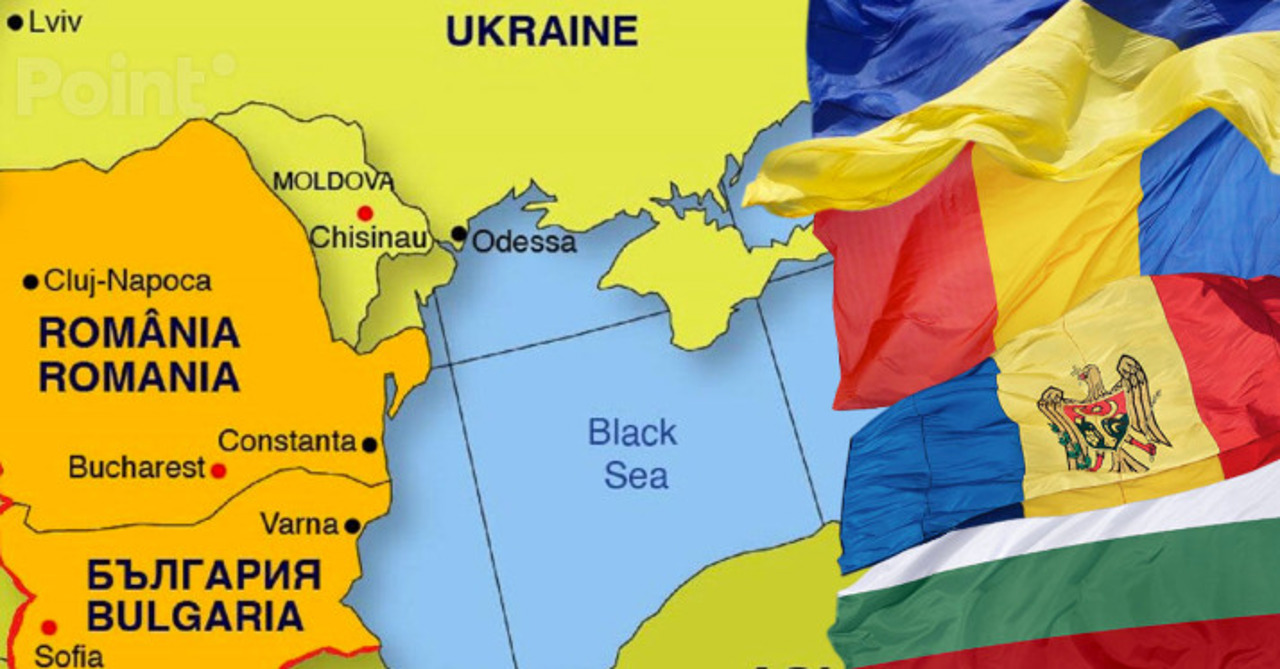
Over 130 Moldovan local authorities will secure direct access to European Union regional development funds by joining the newly formed EAST GATE European Grouping of Territorial Cooperation, officials announced in Chișinău.
The founding documents of the cross-border structure—bringing together regional and local partners from Moldova, Romania, Ukraine, and Bulgaria—will be officially signed on September 11 in Romania.
Direct access to European regional funds
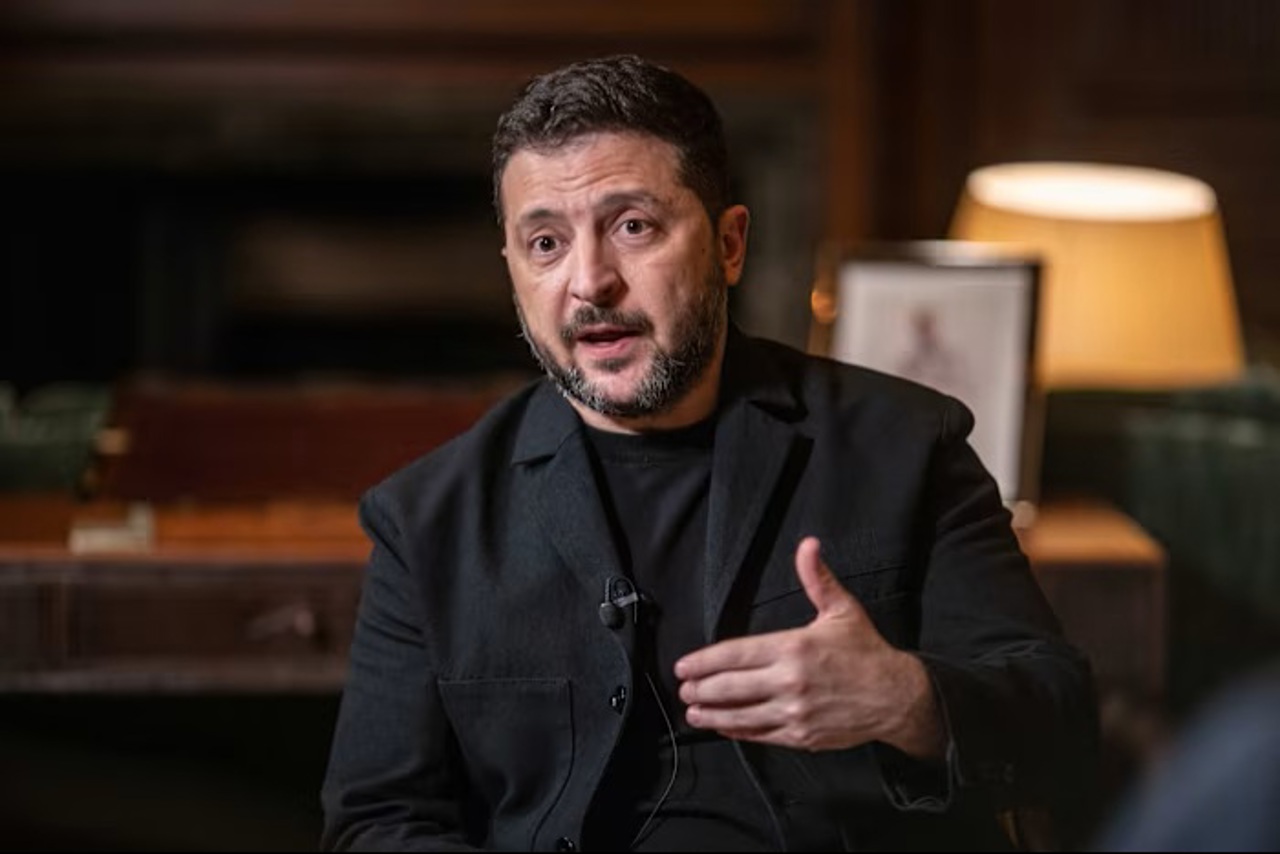
Speaking on Radio Moldova’s “Zi de Zi” program, EAST GATE interim director Sergiu Suharenco stated that Moldova’s EU candidate status, paired with recent domestic legislative adjustments, enabled domestic municipalities to join European territorial groupings alongside Ukraine.
“This law was mandatory for entities from the Republic of Moldova. This is what European Union regulations stipulate,” said Suharenco.
He pointed out that while individual local authorities often lack the legal capacity to draw direct funding from specific EU mechanisms, a European Grouping of Territorial Cooperation operates as an eligible legal vehicle.
“First- and second-tier local public authorities from the Republic of Moldova will be able to attract funding directly from the European Union’s regional development fund,” Suharenco added.
Cross-border alliance of 300 administrations
The alliance will encompass approximately 300 public bodies across the four partner nations. Participating members include regional and county councils, municipalities, metropolitan areas, research institutes, and universities.
Prospective partners cited include the Chernivtsi Regional Council and the Vinnytsia Regional Military Administration in Ukraine, as well as the Vaslui County Council, Călărași County Council, and the Botoșani Metropolitan Area in Romania.
“To begin with, a town or village will partner with 300 other administrations from Moldova, Romania, Bulgaria, and Ukraine,” Suharenco said.
To qualify for membership under EU regulations, participating entities must be public bodies with at least 50% state financing. The joint grouping will focus on strategic initiatives in infrastructure, education, digitalization, and local economic development.
A unified voice in Brussels
Suharenco noted that the grouping provides Moldovan mayors and local councils with collective institutional leverage when pitching cross-border projects to European institutions.
“Partner administrations—which currently amount to around 130 entities from Moldova—will speak with a unified voice in the European Union,” said Suharenco.
This collective representation allows smaller municipalities to bridge administrative bottlenecks, team up with established EU counterparts, and roll out high-impact projects for local communities.
Translation by Iurie Tataru
RELATED COVERAGE
- Access to European funds for regional development: Moldova can join EGTCs
- Moldovan and Romanian villages secure €1.37m in EU funding
- North Moldova regional development: €4.2 million contracts signed for water and urban renewal
- European Commission launches support strategy for eastern EU regions, benefiting Moldova
- Moldova signals major administrative consolidation: From voluntary to mandatory mergers