Moldova forest pest infestation drops to 65,000 hectares
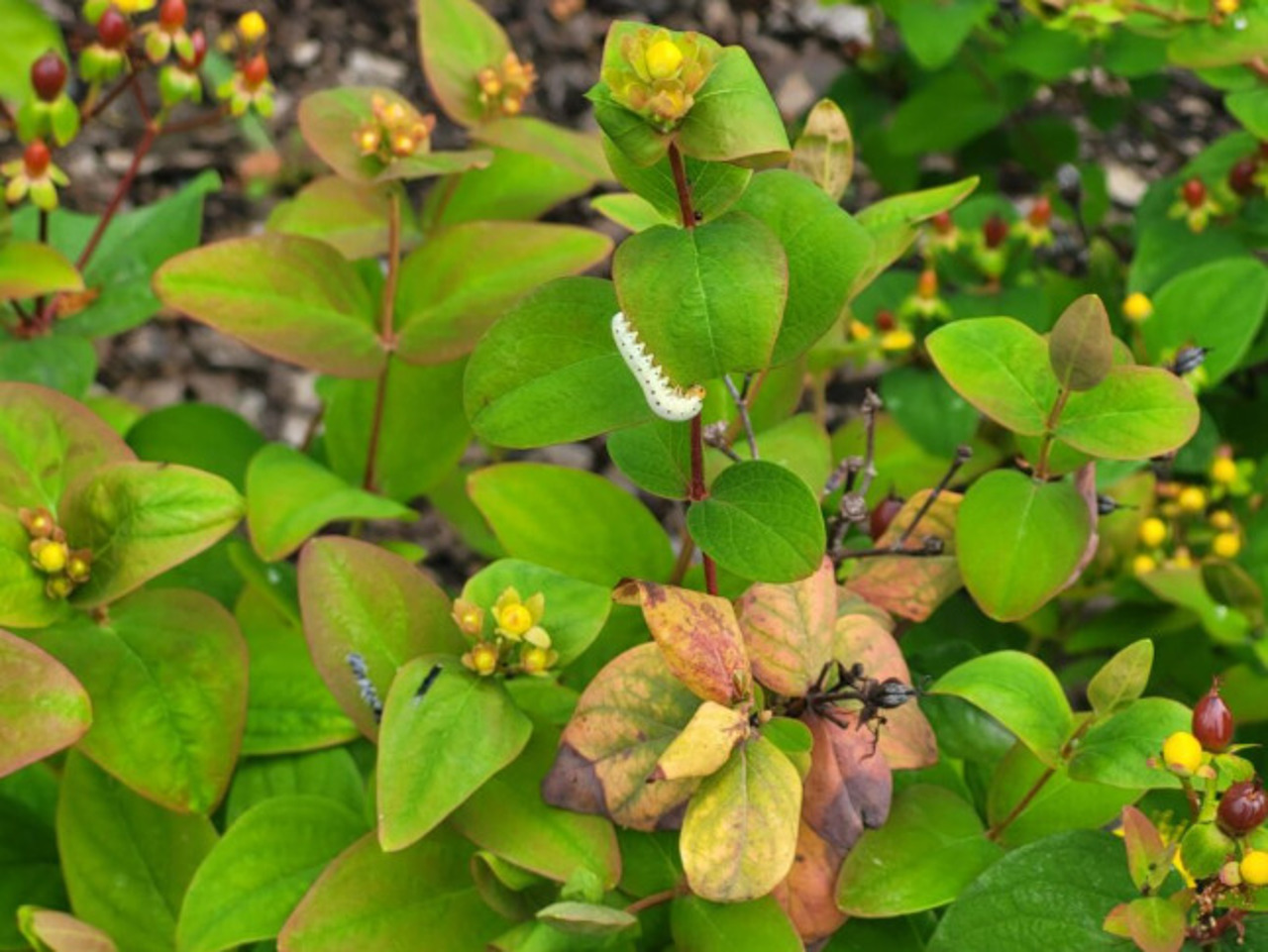
Moldova has reduced forest land affected by defoliating insects from 80,000 to 65,000 hectares over the past five years by prioritizing biological pest management, official forestry data shows.
Biological control replaces aerial spraying
Forestry authorities have shifted primarily to biological control mechanisms to shield woodlands and local ecosystems from the negative side effects of chemical pesticides, according to Ion Talmaci, acting director of the Forest Research and Management Institute (ICAS). The country has not conducted aerial chemical spraying over state-managed woodlands since 2019, when aircraft treated roughly 2,000 hectares.
“Forest pests remain active through late spring and summer, creating an extended period of defoliation risk,” said Talmaci during an interview on Radio Moldova. “If roughly 80,000 hectares administered by Moldsilva sustained infestation in 2020, affected areas currently stand at around 65,000 hectares.”
Targeted treatments protect oak canopies
The most prevalent and destructive pests across Moldovan forests are defoliating caterpillars, notably the spongy moth (Lymantria dispar), alongside wood-boring insects. While national forestry regulations permit active aerial interventions when canopy defoliation risk exceeds 30%, post-2019 monitoring determined that chemical spraying was no longer warranted.
Foresters have instead deployed natural control techniques, installing nesting boxes for insectivorous birds and starlings, while fostering predatory wood ant colonies to suppress pest populations naturally. In localized outbreaks, forestry teams apply a targeted diesel and oil mixture directly to tree trunks to suffocate spongy moth egg clusters before larvae migrate into the canopy.
State manages vast majority of national woodlands
Moldova's National Forest Fund covers more than 450,000 hectares. The central government administers over 80% of all forested land through the Moldsilva State Forestry Agency, while local town councils own approximately 19%, and private holdings account for under 1%.
Translation by Iurie Tataru
RELATED COVERAGE
- Over 100 hectares of woodland underwent pesticide treatment
- Forests will expand by 3,000 hectares; Environment Minister: “We’ll plant 11 million saplings”
- 7,200 hectares will be afforested this spring. Authorities invest in modernizing nurseries
- “Forest Generation” Campaign: Volunteers from Moldova and Romania plant saplings
- Moldova and Romania plant forests along the Prut. Hajder: “Nature has no borders”