Moldova's first Milk Festival is on September 20, aiming to connect consumers with farmers
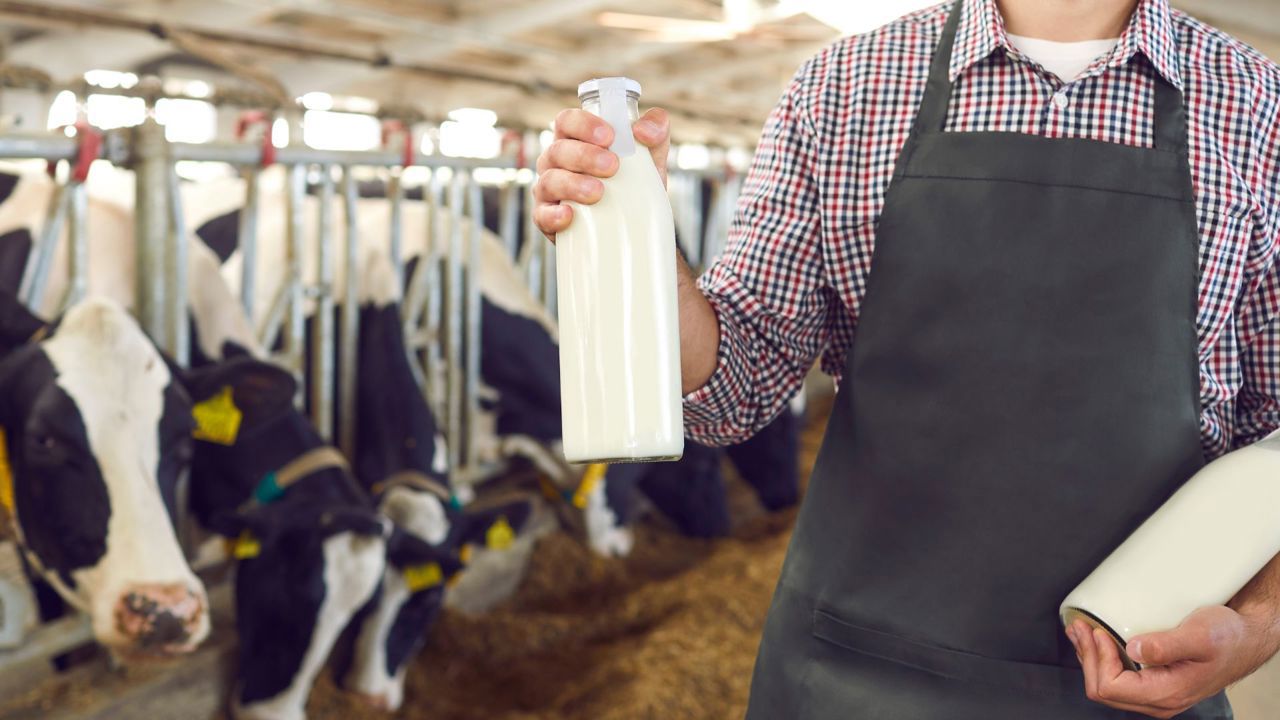
The first Milk Festival in the Republic of Moldova will be held on September 20 in the village of Fundurii Vechi, located in the Glodeni District. The event, themed "From Field to Glass," aims to connect consumers with farmers and processors. It will emphasise the public's important role in supporting the local dairy industry.
"We want to connect consumers with farmers. People in Moldova need to know their farmers better. Unfortunately, many are unaware of them and often complain about a lack of farms. On the contrary, I want to emphasize that we have numerous farmers who are deeply committed to their work and truly passionate about what they do," said Stela Mosînzău, the festival organizer, during the Radio Moldova’s program "Zi de Zi."
According to Mosînzău, many people buy milk from store shelves without knowing who produces it or the hard work that goes into making it. Local producers also face increasing competition from imported goods.
"We—farmers and processors across the entire supply chain—want to promote milk and products made in Moldova better and show consumers the true journey of these products. This inspired the idea of 'From Field - to Glass,'" she explained.
Running a farm involves high costs, including feed, electricity, wages, veterinary services, and modern machinery. Despite these challenges, producers must remain competitive in the market.
The development of local production depends, in part, on consumer choices. "That is why it is crucial for local producers to have consumer support. People in the Republic of Moldova need to understand why their support matters to farms. Complaining about a lack of milk is pointless if we consciously choose to buy imported milk from store shelves. The process is complex and involves many links: the farmer, the processor, the retailer, and the consumer. If any of these links fail, the entire system suffers. Farmers need fair prices, and processors need good-quality milk. Likewise, consumers want safe, quality products," she noted.
In her view, better communication among all participants in this chain could enhance confidence in domestic products.
"I believe we need improved communication. That is why the festival was created: to help people learn who produces their milk, who the farmers are, the quality of the milk produced, and its origin. Consumers need to make informed choices, not base decisions on price alone. They must choose domestic products when shopping. If we put in the effort to produce quality milk and processors create excellent products—and I assure you, we do have quality offerings—it's all for nothing if consumers do not support us. That is our greatest challenge: the consumer," Stela Mosînzău pointed out.
The festival in Fundurii Vechi is designed not only for farmers and industry specialists but also for the general public, particularly families with children. Visitors will have the opportunity to meet local producers, taste milk and dairy products, and learn about the technology and labour behind running a farm.
The program will include activities for children, milk and cheese tastings, and a celebratory segment attended by officials from the Republic of Moldova.
"The festival is not just for industry professionals; it is primarily for consumers and families—especially those with children—who are the biggest consumers of these products, both in the Republic of Moldova and beyond. Ultimately, consumers make the decision. With every purchase, with every bottle of milk they buy, they support local production rather than imports," concluded the initiator of the Milk Festival.
Milk production on farms in the Republic of Moldova reached approximately 64,000 tonnes in 2025. This marks a significant recovery from 14,700 tonnes in 2011 and 35,000 tonnes in 2001.
Currently, dairy imports account for up to 60% of the Republic of Moldova's domestic consumption, significantly affecting the domestic market's self-sufficiency.
Estimates for 2026 indicate that livestock farming will intensify, with commercial farms expected to supply about 70,000 tonnes of milk to the domestic market.