Food bank rescues 125 tonnes of food to feed vulnerable Moldovans

Moldova's Food Bank recovered more than 125 tonnes of surplus groceries in 2025, converting commercial waste into nearly 250,000 meals for impoverished families and elderly citizens across the country.
Unsold food products that remain safe for consumption end up in landfills daily, representing not only an environmental problem but also substantial financial and social losses. In Moldova, the Food Bank intercepts these goods from commercial retailers, inspects them, and redistributes them to social care facilities nationwide.
Scaling redistribution networks
During its five years of activity, the Food Bank has recovered roughly 580 tonnes of food, supporting approximately 12,000 beneficiaries. The organization operates an authorized central logistics warehouse, which handles daily corporate donations as well as food collected during biannual nationwide drives.
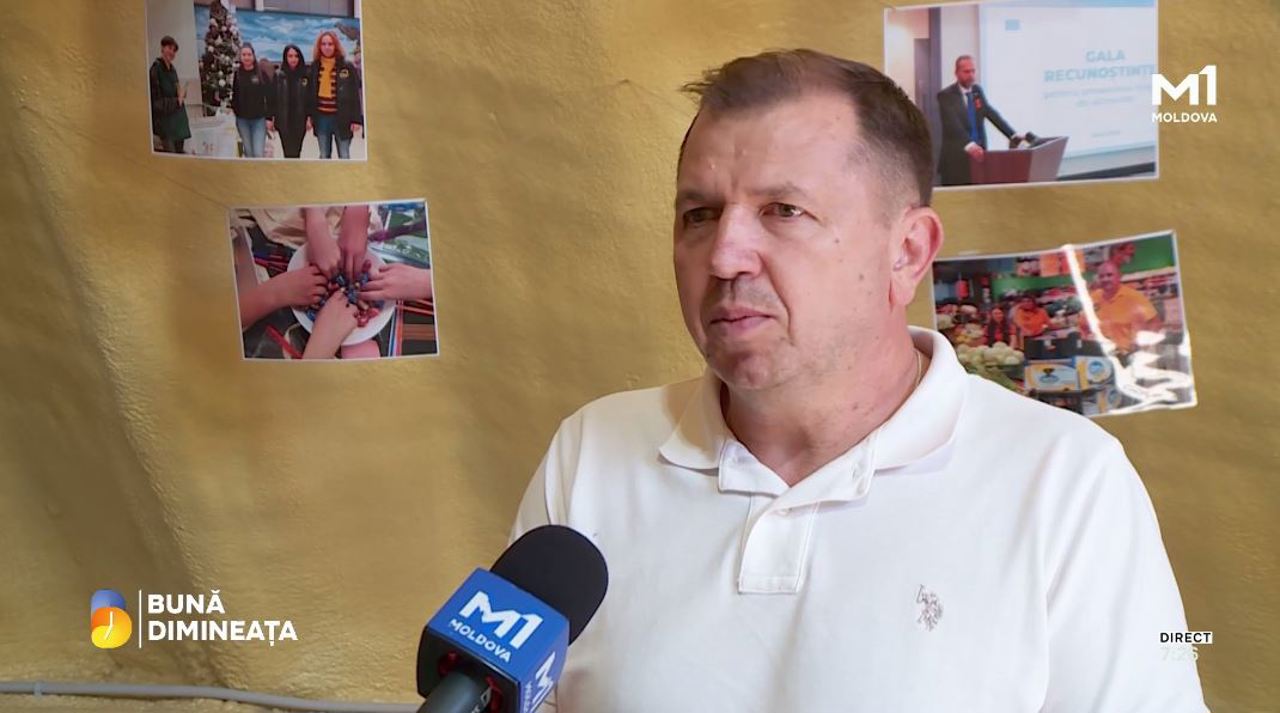
“When we talk about food waste, we talk about wasted money,” said Oleg Paraschiv, director of the Food Bank. “Addressing food waste should become a national objective and a state policy because it currently squanders billions annually.”
The organization now plans to decentralize its operations, enabling partner institutions to retrieve food directly from nearby companies.
“We want local services prepared to collect products within their proximity so our team does not have to travel to every single business,” Paraschiv said. “We also need an improved regulatory framework that encourages businesses to donate more products.”
Dignity behind the numbers
The collected items are directed to maternal assistance centres, child placement facilities, nursing homes, and social soup kitchens. For recipients, the aid provides vital relief as household budgets are strained by utility bills and medicine costs.
“We are deeply moved by stories from facility managers who tell us that elderly residents can never afford basic dairy products like curd cheese,” Paraschiv noted.
Volunteers and staff emphasize the tangible human impact of the operation.
“Every day brings challenges, but knowing that you have the power to change lives makes it truly rewarding,” said project manager and volunteer Hakon Venturini.
Beneficiaries also stressed the importance of the initiative for struggling households.
“The Food Bank provides real support for communities and social centres by offering crucial help to elderly people, children, and those facing hardship,” said Serghei Ceban, a program beneficiary.
Translation by Iurie Tataru
RELATED COVERAGE
- Moldova's huge food waste crisis amid extreme poverty
- 180,000 tons of food wasted annually — experts offer tips to reduce
- Moldovan Food Bank campaign aims to reduce food waste and help those in need
- "Papa Francisc" canteen in Chișinău provides hot meals to nearly 200 elderly people
- Hot meals for over 1,000 elderly and children