Moldova to supply three waste bins per home in eco drive
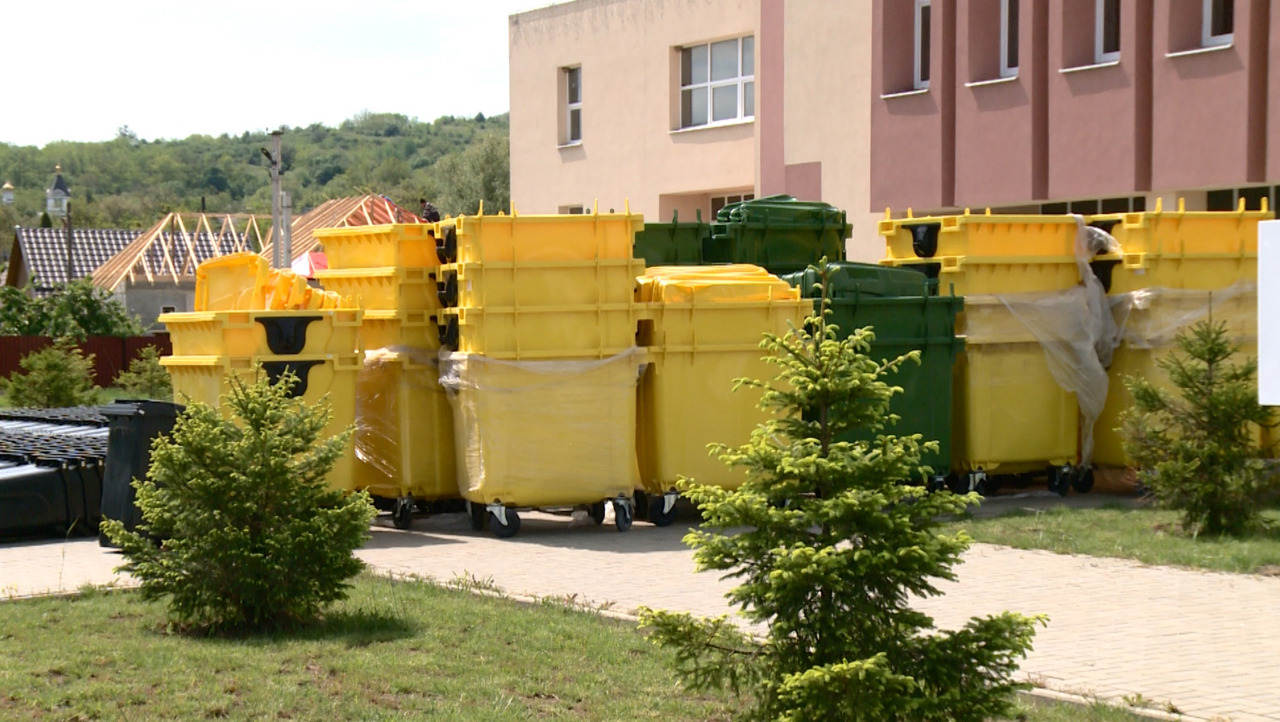
Moldovan households will receive three separate bins for sorting waste under a national environmental modernization drive designed to align waste management with European Union standards, Environment Minister Gheorghe Hajder announced.
The containers will separate green waste, mixed household refuse, and recyclables, ensuring valuable materials re-enter the circular economy. Authorities plan to introduce strict sorting rules gradually, mirroring EU regulations under which operators decline to collect unsorted waste.
Enforcement and penalties will apply only after the necessary logistical framework is fully established nationwide.
Upgrading household infrastructure first
“Right now, it is critical to provide adequate conditions for citizens, as the legal framework is practically completed,” said Hajder during a broadcast on public television Moldova 1. “The government has pledged to create this infrastructure and provide people with a workable alternative, after which we can introduce restrictive measures, including fines, for non-compliance. First, we must supply the conditions—bins and designated storage spaces.”
Moldova's broader national solid waste strategy also targets the closure and rehabilitation of unauthorized dumpsites scattered across the countryside. The overall environmental clean-up is projected to cost €500 million (approx. 9.68 billion MDL).
“All these dumpsites seen across hills or in woodlands must close under European rules,” Hajder said. Officials have categorized sites into three tiers based on size and remediation complexity. Larger municipal dumpsites, such as Țânțăreni or Boșcana, require specialized leachate treatment and sealing, while smaller rural deposits will be cleared or transferred.
Deposit return scheme to launch by 2027
Moldova's domestic recycling rate remains low, prompting the government to accelerate two key policy mechanisms: Extended Producer Responsibility (EPR) and a national Deposit Return Scheme (DRS). Under EPR rules, importers and manufacturers bear the financial responsibility for collecting and processing post-consumer packaging.
“Through EPR, we place the obligation on importers of goods that turn into waste to collect and recycle them properly,” Hajder noted. “Once our solid waste infrastructure, EPR, and the packaging deposit system are operational, the national recycling quota will increase significantly.”
The nationwide Deposit Return Scheme is scheduled to launch by January 2027, introducing collection points across major retailers. Consumers will pay a refundable deposit of at least 2 MDL on single-use glass, plastic, and aluminum beverage containers, redeemed upon returning the packaging for processing.
Translation by Iurie Tataru
RELATED COVERAGE
- Deposit Return Scheme (DRS) for containers starts in Moldova in 2027
- Moldova recycles just 5% of waste; national separate collection
- Moldova adopts EU standards: Consumers will earn money by returning beverage packaging
- Waste sorting is difficult due to poor infrastructure
- Landfill fires surge: 650+ dumps burn, health threat looms