Russia holds parliamentary vote with no opposition on ballot
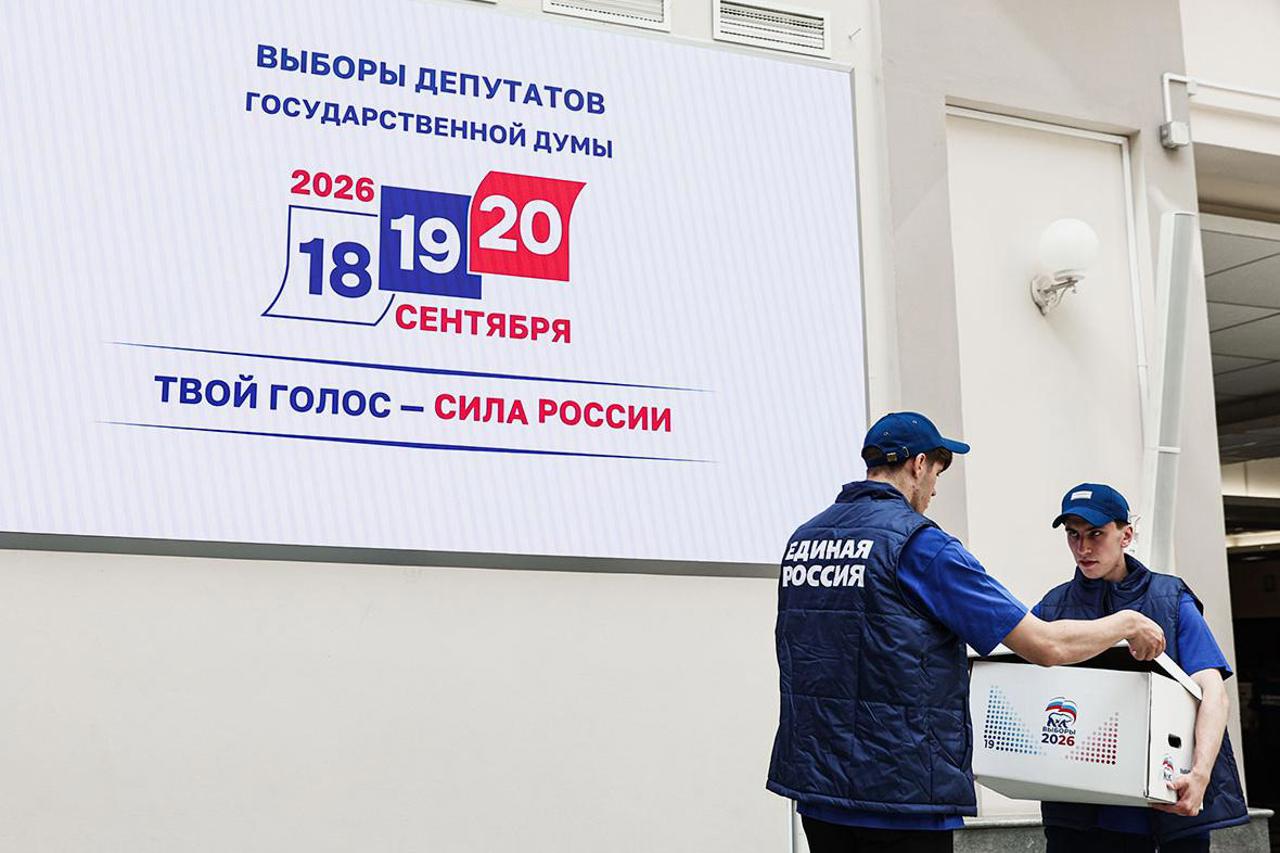
Russia began three days of tightly controlled parliamentary elections on Friday, staging a ballot without genuine opposition that the Kremlin treats as a test of public sentiment toward its ongoing war in Ukraine.
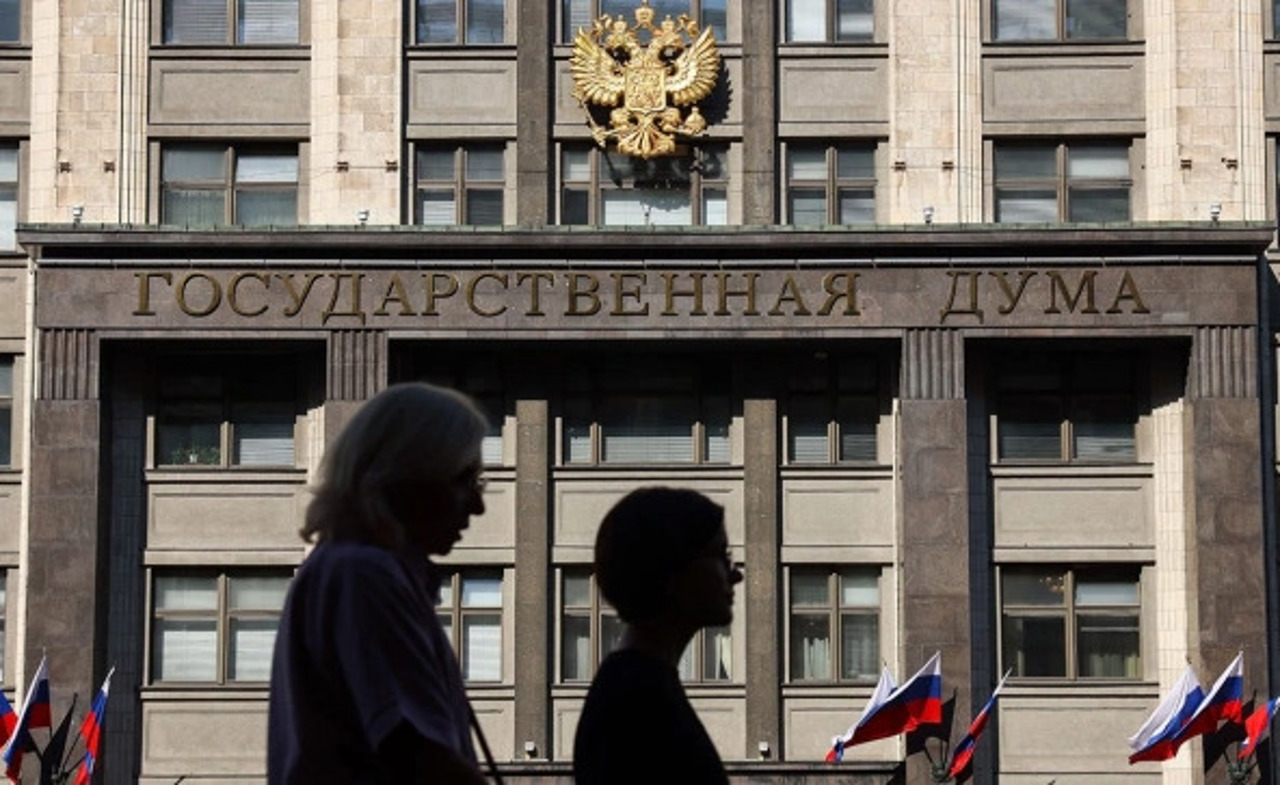
The vote marks the first legislative ballot since Moscow launched its full-scale invasion of Ukraine in February 2022. Polling stations are also operating in Russian-occupied territories of Ukraine, drawing international condemnation.
A tightly managed ballot
With genuine anti-war opposition eliminated from the political arena, the ruling United Russia party is virtually guaranteed to preserve its commanding majority in the State Duma. Half of the 450 seats will be filled via national party lists, while the other half are decided in single-mandate districts.
Only parties that openly support President Vladimir Putin and the military campaign received clearance to run. Yabloko, the only legal anti-war party remaining in the country, was formally barred from the race.
“A real sham,” one European diplomat told AFP, describing the exercise as a “ritual that the Kremlin considers essential” to demonstrate civic obedience and project political stability.
Exiled political analyst Nikolai Petrov noted that the primary goal is reassuring domestic elites that ordinary citizens continue to back Putin, who has led Russia for 26 years.
Fears of post-election mobilization
The election unfolds against a backdrop of mounting economic fatigue and Ukrainian drone strikes targeting Russian energy infrastructure far behind the front line. The strikes have caused localized fuel shortages and billions of rubles in damage.
Rumors have circulated widely that the Kremlin could order a new wave of military mobilization once polls close, mirroring the unpopular call-up of 300,000 reservists in the autumn of 2022.
Putin has publicly denied plans for a fresh draft. Tatiana Stanovaya, a senior fellow at the Carnegie Russia Eurasia Center, argued that authorities have invested heavily in calming the public, making another mass mobilization unlikely in the near term.
Instead, Stanovaya observed, Putin will use the predictable outcome as a direct endorsement of his leadership and the continued prosecution of the war.
Translation by Iurie Tataru
RELATED COVERAGE
- Putin leans toward escalating Ukraine war, Reuters sources say
- Russians barred from leaving country as digital draft system goes live
- Russia expands military recruitment to organized crime convicts
- Presidential elections in Russia. More than 113 million people expected at the polls
- Putin demands more Ukrainian land to end war, terms swiftly rejected by Kyiv