Junghietu states Moldova must maintain its strategic gas reserve, as it is not a surplus
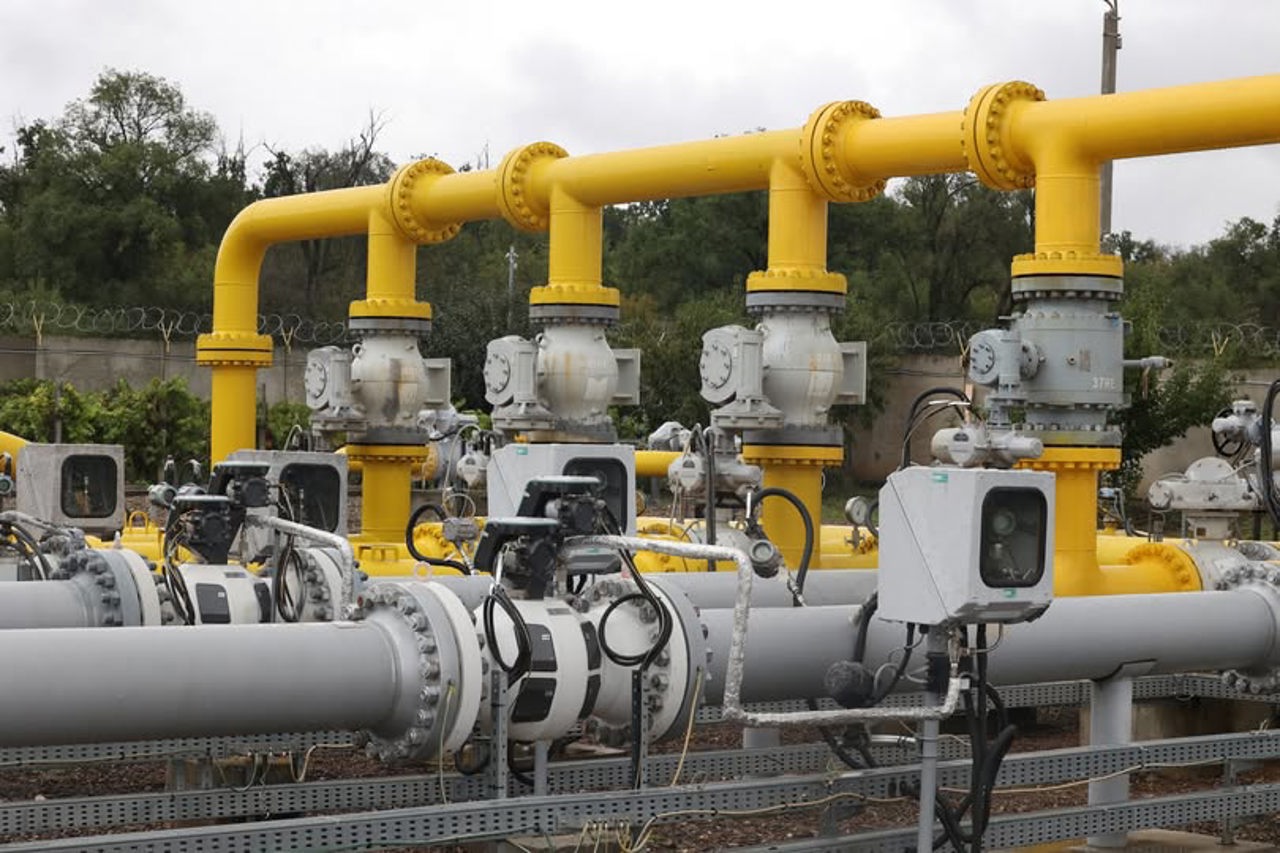
The Republic of Moldova's security gas stocks cannot be used to temporarily lower gas prices, as they are the country's strategic reserve for crises and can cover only about ten days of winter consumption. Minister of Energy Dorin Junghietu made this clarification after Vadim Ceban, Acting Chairman of the Management Board of Moldovagaz S.A., proposed using these reserves to mitigate the impact of rising prices on consumers.
The Minister of Energy stated that concerns regarding rising bills are understandable but emphasized that security stocks cannot be treated as ordinary commercial volumes.
"Security stocks are not intended to provide slightly cheaper gas, but rather to ensure gas availability in general during emergencies", explained Dorin Junghietu.
According to the minister, these reserves were established for situations where gas supplies are severely disrupted or during periods of extremely low temperatures that drive unusually high consumption. Separate gas volumes—specifically those held by suppliers under legal storage obligations—exist to manage sudden price spikes.
Junghietu noted that a rise in gas prices, while impacting the population and the economy, does not automatically constitute an emergency within the energy sector.
The law sets out clear criteria for declaring such a situation. These include a reduction in imports of more than 20% relative to consumption needs or extremely low temperatures for seven consecutive days alongside excessive consumption.
Even if these conditions are met, strategic reserves are not automatically released. According to the Minister of Energy, market-based solutions must be utilized first, and the decision to tap into security stocks rests with the body responsible for crisis management.
"The Ministry of Energy continuously monitors and assesses the situation, but it does not unilaterally declare an emergency or decide on the release of stocks," Junghietu stated.
The minister further argued that the fact that gas in the strategic reserve was purchased at a lower price in the past does not alter its intended purpose. Using these reserves could temporarily lower procurement costs; however, the stockpile would subsequently need to be replenished, potentially requiring the purchase of gas at higher prices.
At the same time, utilizing these stocks to temporarily cut costs would reduce the level of protection available in the event of an actual supply disruption.
Currently, the Republic of Moldova holds 56.3 million cubic meters of gas in its strategic reserves. According to the Minister of Energy, this volume is sufficient to cover approximately ten days of consumption during the winter season.
"This is not a surplus, and replenishing the reserve cannot be done overnight—especially during a crisis, when gas supplies may be scarce, expensive, or difficult to transport," said Dorin Junghietu.
The Minister believes that any potential short-term benefit gained from using the reserve must be weighed against the risk of diminishing the state's capacity to intervene during an actual emergency.
"Decisions regarding energy security must be made responsibly, based on the law and a comprehensive risk assessment, rather than just immediate impact," the Minister of Energy concluded.