Moldovan couple turns 1839 ancestral home into museum
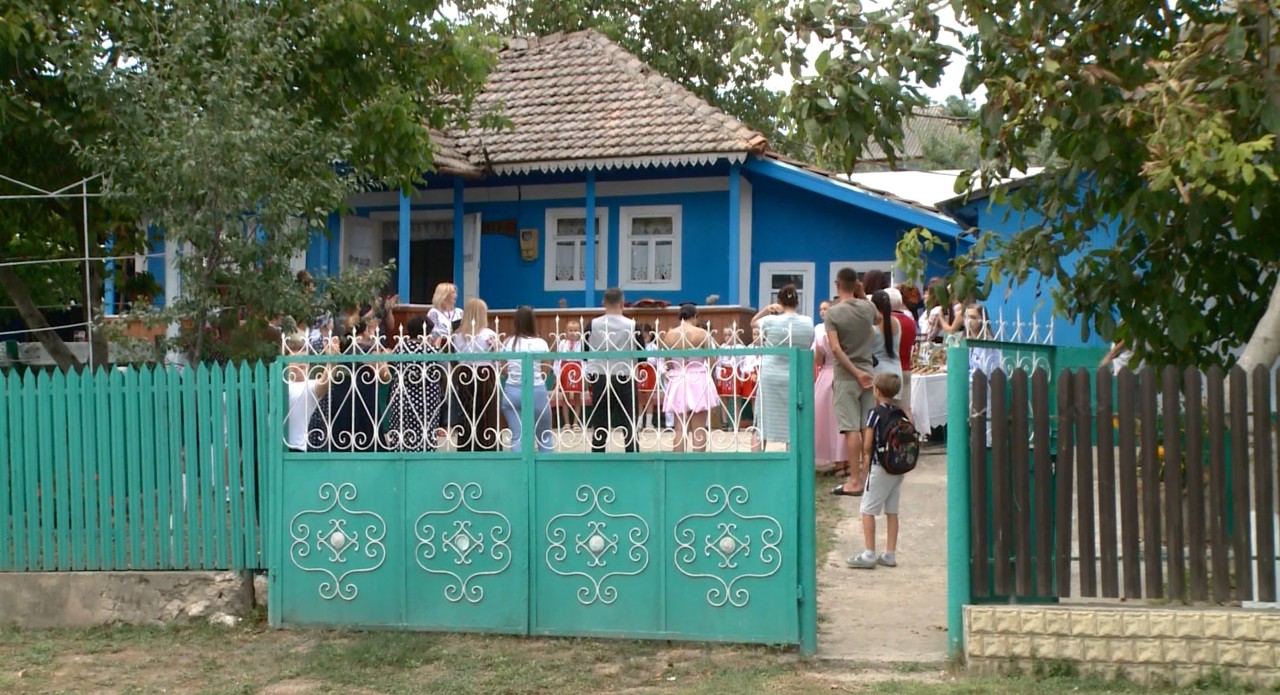
A 185-year-old family home in Cigârleni, central Moldova, reopened as a local ethnographic museum following an extensive two-year restoration by returned diaspora members, community organizers announced on Sunday.
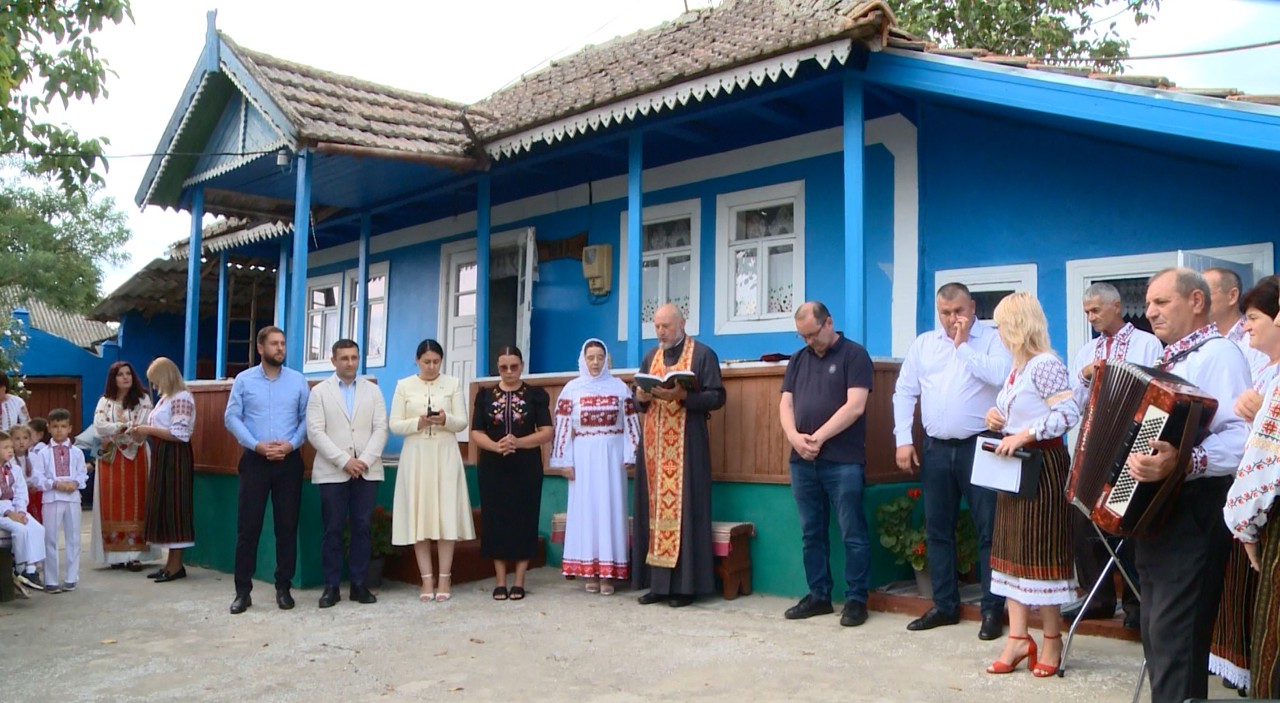
The ancestral residence, originally built in 1839 and known locally as "Casa bunicilor," represents the oldest standing house in the village. After inheriting the multi-generational property, Ana Lupu and her husband undertook structural preservation works while retaining the original wall construction.
Diaspora experience drives local preservation
The initiative gained traction following the couple's residence in Rome, where Italian approaches to cultural heritage preservation inspired them to safeguard local traditions. The project evolved into a collaborative village effort, with residents donating heirloom textiles, traditional wedding shirts, and vintage furnishings.
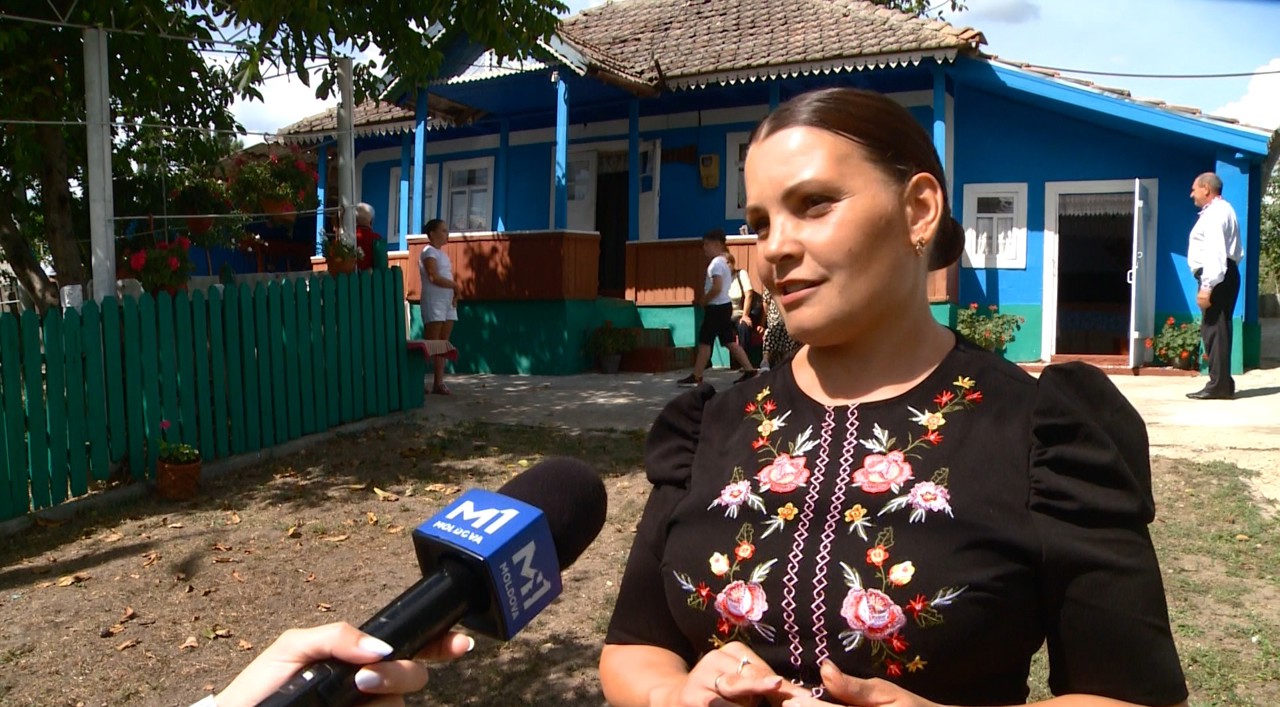
“We asked ourselves why we couldn't do something similar here, knowing we had this opportunity,” said museum founder Ana Lupu. “Although it underwent several restorations, the walls remain the original ones. The restoration and artifact collection took two years, bringing together items donated by our fellow villagers.”
Safeguarding ancestral crafts
The collection also incorporates historical items salvaged from a former village exhibition previously kept in the local church. Feodosia Lebedev, a retired teacher and local cultural advocate, spearheaded efforts to retrieve family relics preserved in community attics and dowry chests.
“Some residents offered items voluntarily, while I noticed others in homes that carried unique historical value,” said Lebedev. She highlighted rare pieces among the exhibits, including handwoven ceremonial funeral cloths and an unworn traditional bridal shirt preserved across generations.
The museum exhibits include working traditional looms, authentic decor from the customary guest parlor (Casa Mare), and antique domestic tools reflecting 19th-century rural life.
Preserving historical memory remains central to sustaining community identity, noted Corneliu Cirimpei, State Secretary at the Ministry of Culture. He emphasized that younger generations benefit from understanding the hardships and resilience of earlier rural communities.
Translation by Iurie Tataru