Rural Moldovan schools struggle with teacher shortages
Moldovan schools face 1,365 teaching vacancies this academic year, a 12% drop from last year, yet rural classrooms continue to rely on traveling instructors to cover critical shortages in exact sciences.
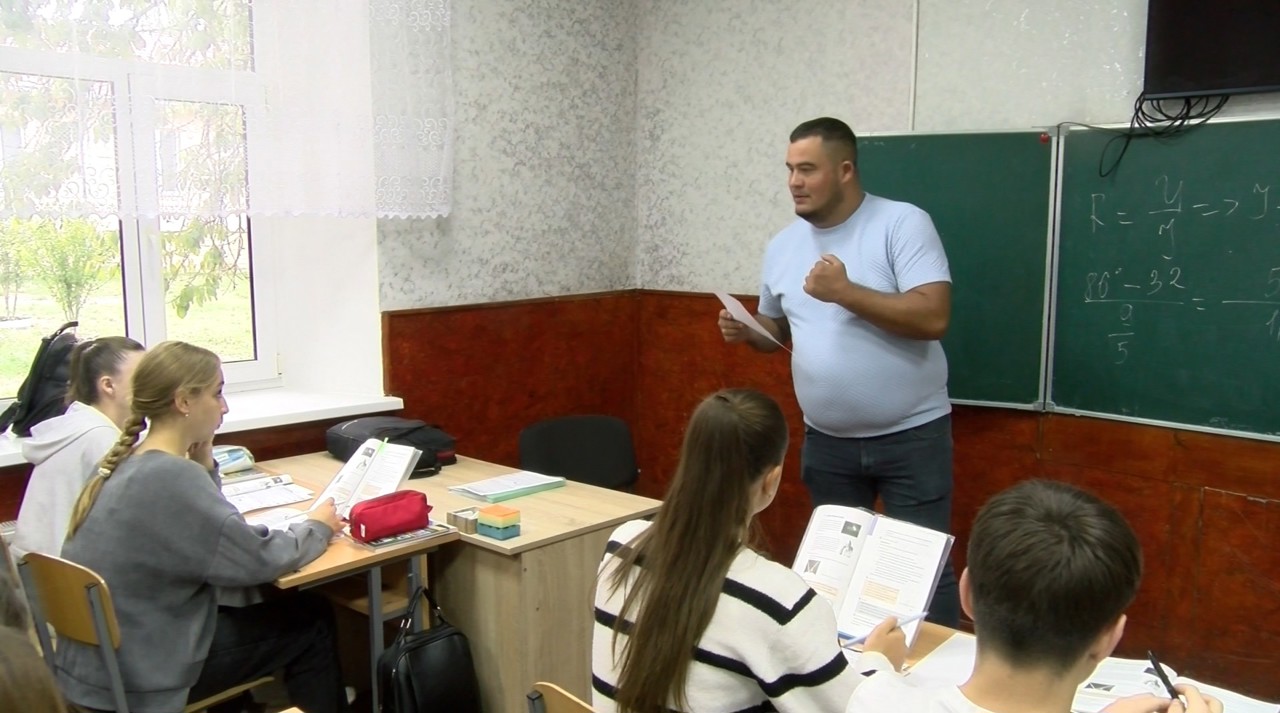
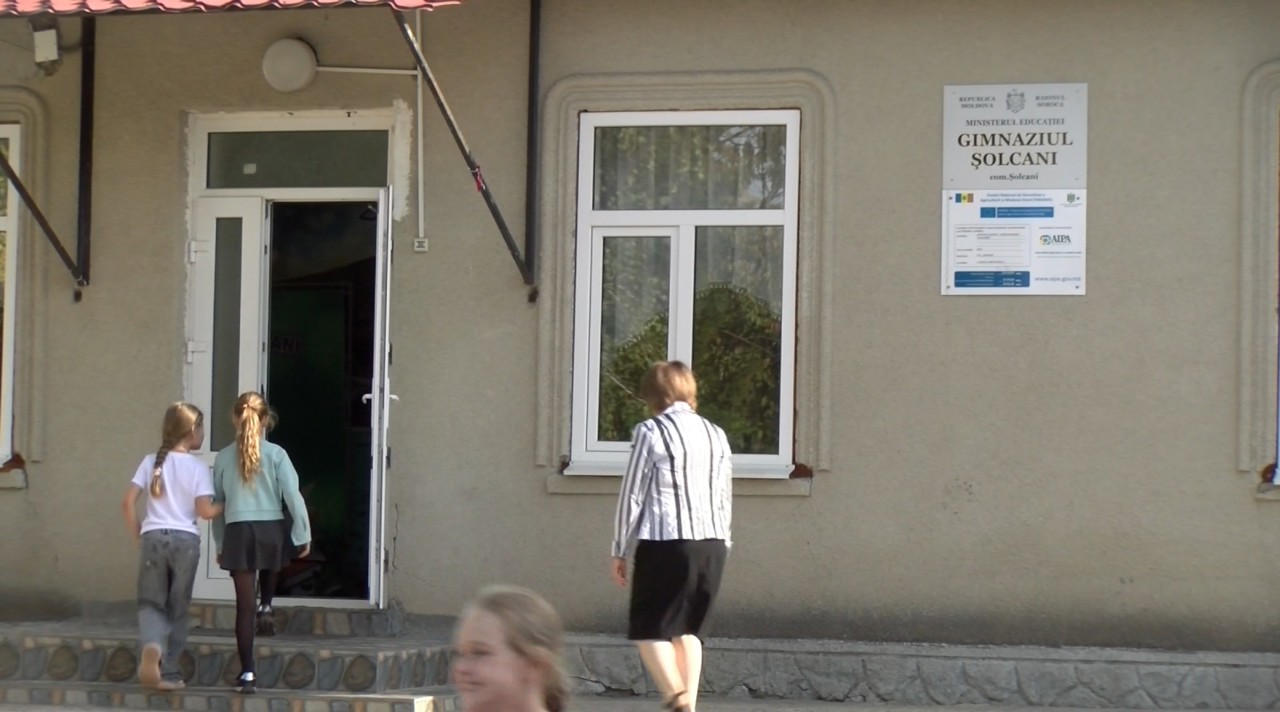
At the gymnasium in Șolcani, Soroca District, three educators commute daily from other localities to teach the school’s 151 pupils. Local administrators turned to neighboring communities to secure instructors for exact sciences and STEM disciplines.
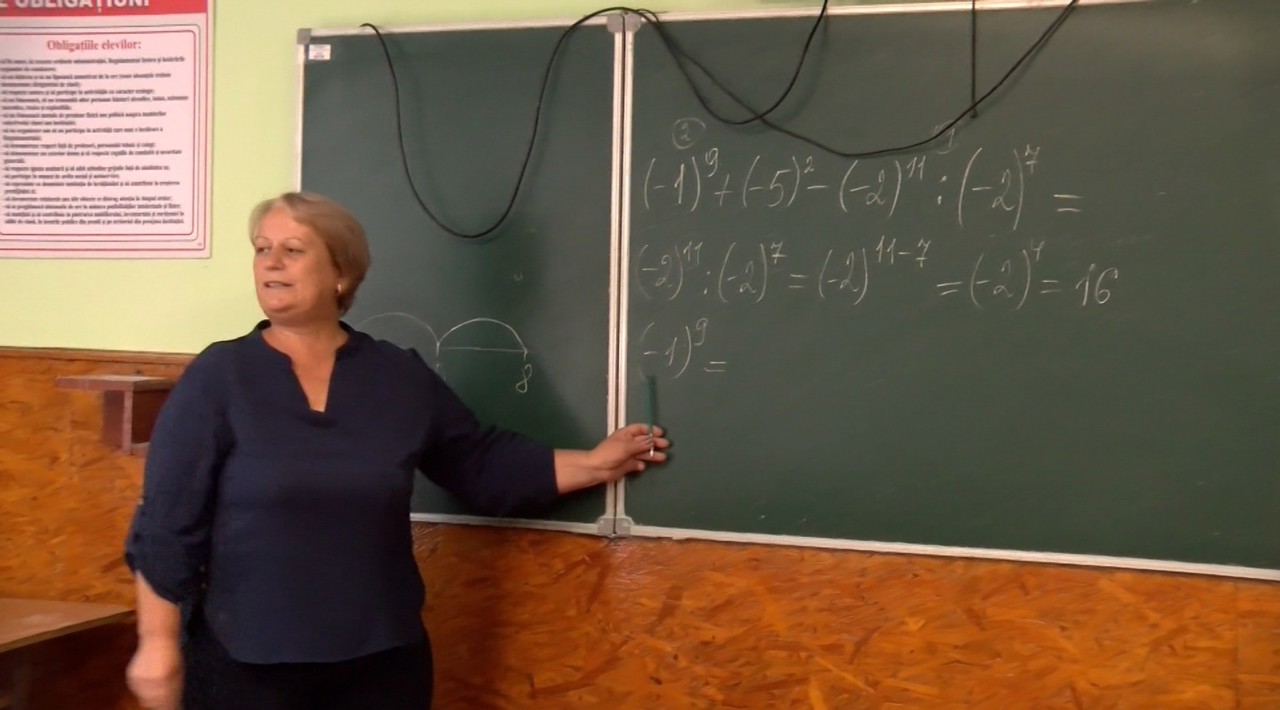
Among them is physics teacher Cristian Chitoroga, who teaches across five different communities and travels up to 30 kilometers each day to deliver his lessons.
“I commute every day from Soroca, the district center,” said Chitoroga. “I usually wake up at 06:00 and head to class with dedication, regardless of the village. We face obstacles when winter comes and roads are snowed in, but we manage.”
Navigating transit hurdles between villages
Two mathematics teachers also commute from the nearby village of Bădiceni, relying on public transit, hitchhiking, or walking to reach their classrooms.
“I do this out of love for the school and the children,” said mathematics teacher Svetlana Gudumac. “On Wednesdays, we travel with a colleague commuting to Rublenița, and on Fridays, a colleague’s husband drives us to the main road, where we catch a minibus coming from Băxani.”
Balancing workloads across multiple schools places an additional burden on these traveling instructors.
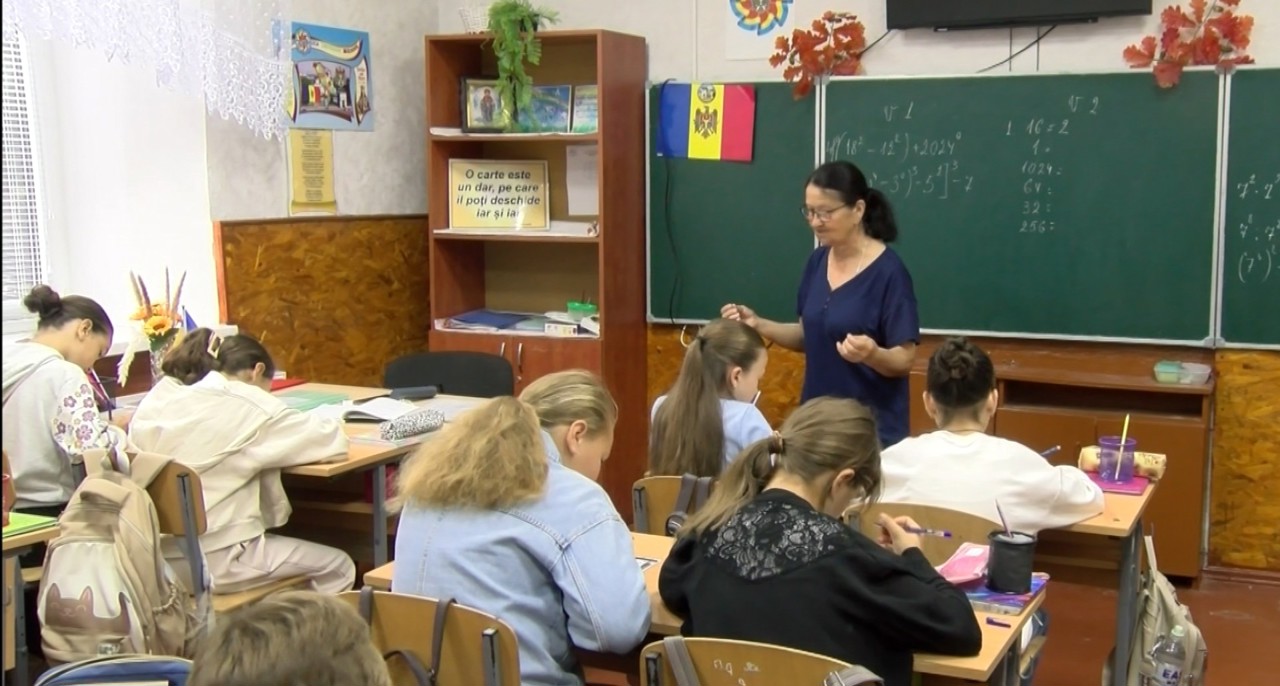
“It is exhausting because we work in two separate institutions,” noted mathematics teacher Raisa Mardici. “We have assessments and tests to grade at both, and commuting requires waking up earlier while household chores wait at home.”
Systemic shortages persist in rural districts
Attracting and retaining qualified staff in rural communities remains a major hurdle, according to school administrators.
“Covering our staffing needs in rural schools is extremely complicated,” said Zinaida Chiorescu, principal of Șolcani Gymnasium. “Our former mathematics teacher moved to an urban school, so we had to obtain approval from Bădiceni Gymnasium to share their teachers. We arranged a similar agreement with our physics instructor.”
According to the Ministry of Education and Research, total vacancies across the national education system dropped by approximately 26% over the past two years. The highest numbers of open positions remain concentrated in Chișinău, Comrat, Ungheni, and Cimișlia.
Meanwhile, the inflow of early-career educators is rising, with 426 young graduates taking up teaching posts in 2025—up by 22 compared to 2024. Despite these national gains, rural institutions continue to bear the brunt of staff deficits.
Translation by Iurie Tataru
RELATED COVERAGE
- Moldova offers teachers €15,300 relocation grants amid school reform
- Over 500 new teachers will join schools this fall
- Young teachers can receive up to 375,000 lei as second round of recruitment begins
- Over 1,360 vacancies for young teachers: 624 in urban areas, 741 in villages
- Moldova teacher shortage: Why 700 posts remain vacant