Chisinau and Tiraspol negotiators to meet amid tensions
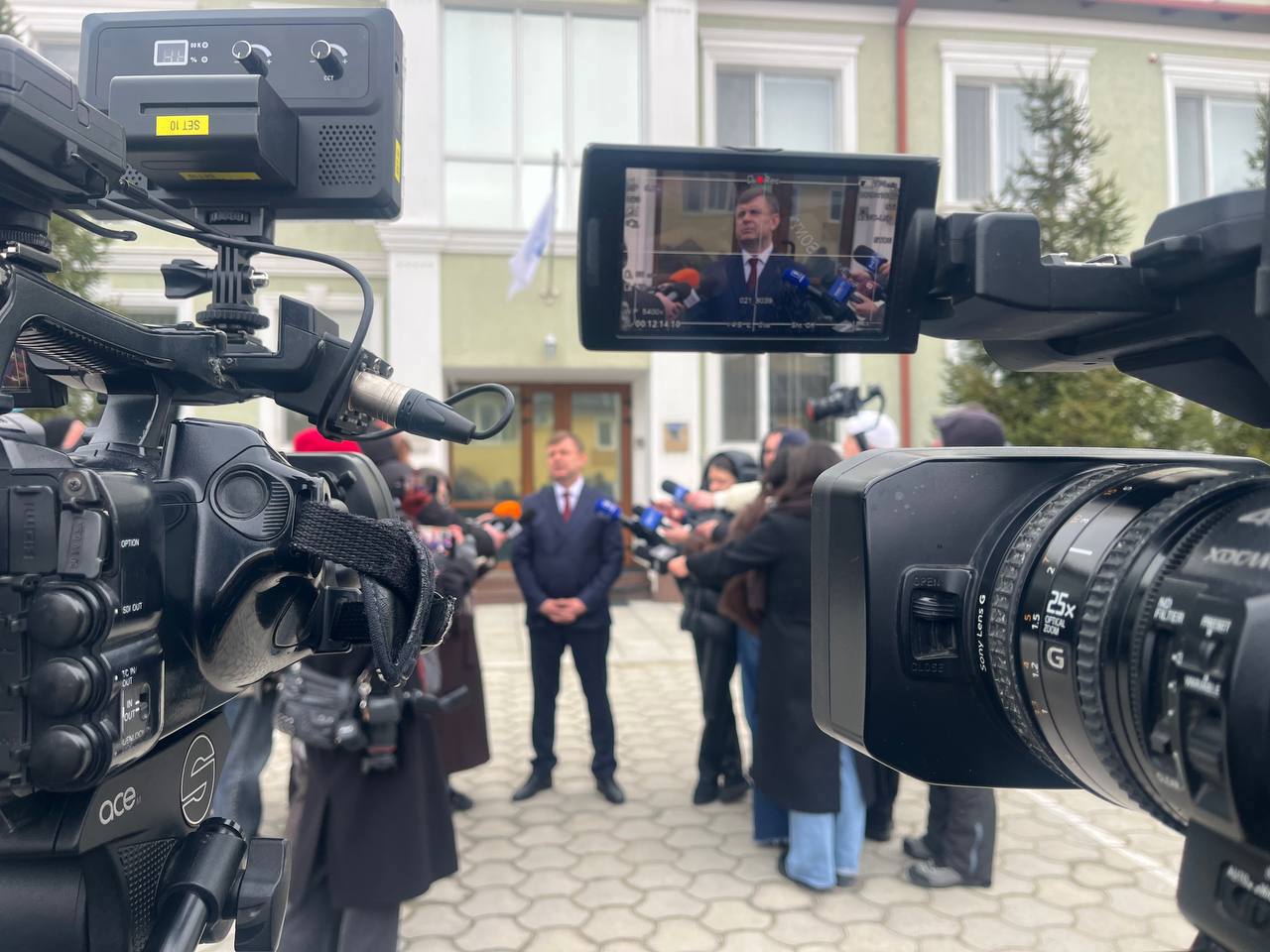
Political negotiators from Chisinau and Tiraspol will resume direct talks on September 24 at the OSCE Mission headquarters in Tiraspol, marking their first official meeting in over five months.
The Moldovan Reintegration Policies Bureau announced that the agenda focuses on “topical issues for residents on both banks of the Dniester, including economic matters, the convergence fund, and human rights.”
High-level dialogue resumes
The bilateral "1+1" negotiating format brings together Moldovan Deputy Prime Minister for Reintegration Valeriu Chiveri and Tiraspol's chief negotiator Vitali Ignatiev. It remains the sole operational diplomatic channel between the two sides.
The broader "5+2" negotiating platform—comprising Moldova, the breakaway region, Russia, Ukraine, and the OSCE, with the United States and the European Union as observers—has remained suspended since the Russian invasion of Ukraine. Chisinau authorities maintain that the extended format has lost its relevance in the current regional security environment.
Thursday's talks will be the third formal round this year, following sessions on February 26 and April 16 held at the same OSCE facility.
Simmering diplomatic and fiscal tensions
The meeting takes place against a backdrop of escalating political friction. Tiraspol authorized the opening of 16 polling stations for the Russian State Duma elections without the consent of Moldova's constitutional authorities.
Deputy Prime Minister Chiveri condemned the move as a direct “disregard for the sovereignty and territorial integrity of the Republic of Moldova.” The vote proceeded despite an official note of protest handed by Moldova’s Ministry of Foreign Affairs to Russian Ambassador-designate Oleg Ozerov.
Simultaneously, Chisinau enacted new fiscal rules on September 1, phasing in value-added tax and excise duties on specific goods imported into the eastern districts. The measure forms part of a broader effort to harmonize tax frameworks across both banks of the river.
Funding social integration
To address public concern, Chiveri launched an informational video campaign aimed at Russian-speaking residents on the left bank of the Dniester, detailing the mechanics of the planned convergence fund. Revenue generated from the new import levies will help finance the instrument.
The fund aims to support Moldovan citizens residing in the eastern districts and narrow disparities in social services and employment opportunities. It will prioritize healthcare, education, and social protection initiatives.
Although the fund is not yet fully operational, government assistance continues. In the first half of 2026, constitutional authorities allocated over €11.2 million (approx. 218 million MDL) to support social programs and public services across the region.
Translation by Iurie Tataru
RELATED COVERAGE
- Valeriu Chiveri in Tiraspol: “We will pursue a peaceful solution to the Transnistrian conflict”
- Moldova shifts Transnistria strategy, proposes €1B convergence fund amid frozen dialogue
- Over 50 Moldovans illegally detained in Tiraspol; issue to be raised at Chiveri–Ignatiev meeting
- “1+1” talks in Tiraspol: Meeting set for February 26 at the OSCE Mission headquarters
- Moldova faces dual EU and territorial dilemma, study warns