Mobile units will be set up in villages without pharmacies
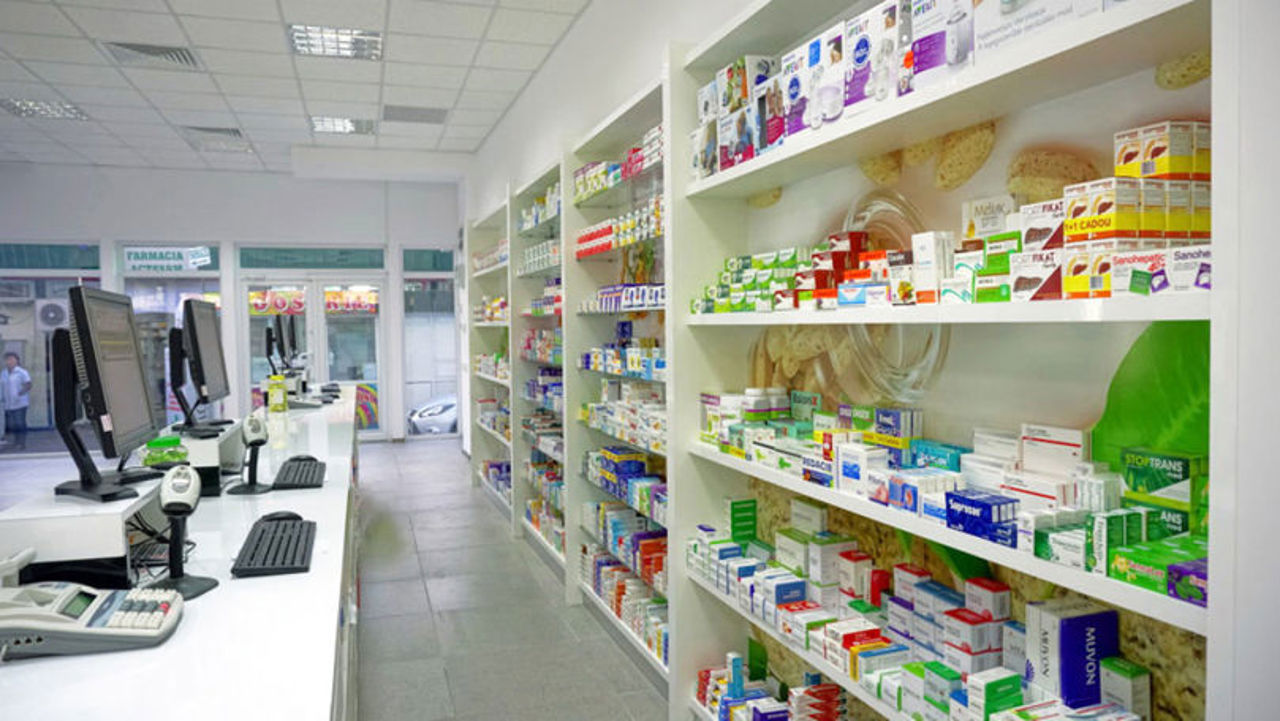
The new Pharmacy Law, currently under public consultation, proposes solutions for rural areas where opening a permanent pharmacy is not sustainable. In these villages, medicines could be sold via mobile pharmacies or automated dispensing units, operating under the responsibility of an authorized pharmacy and a coordinating pharmacist.
However, permanent pharmacies remain the priority. According to Minister of Health Alexandru Gasnaș, fixed units will form the backbone of the system, while mobile pharmacies and medication vending machines will be used only where opening a standard pharmacy is not economically feasible.
The Minister highlighted the disparities between urban and rural areas. Of the more than 1,600 existing pharmacies and branches, only 537 are located in rural areas, even though 56% of the population lives in villages. In terms of population ratio, there are 101 pharmacies per 100,000 inhabitants in cities, compared to just 39 in rural localities. The new law aims to narrow this gap and improve public access to medicines.
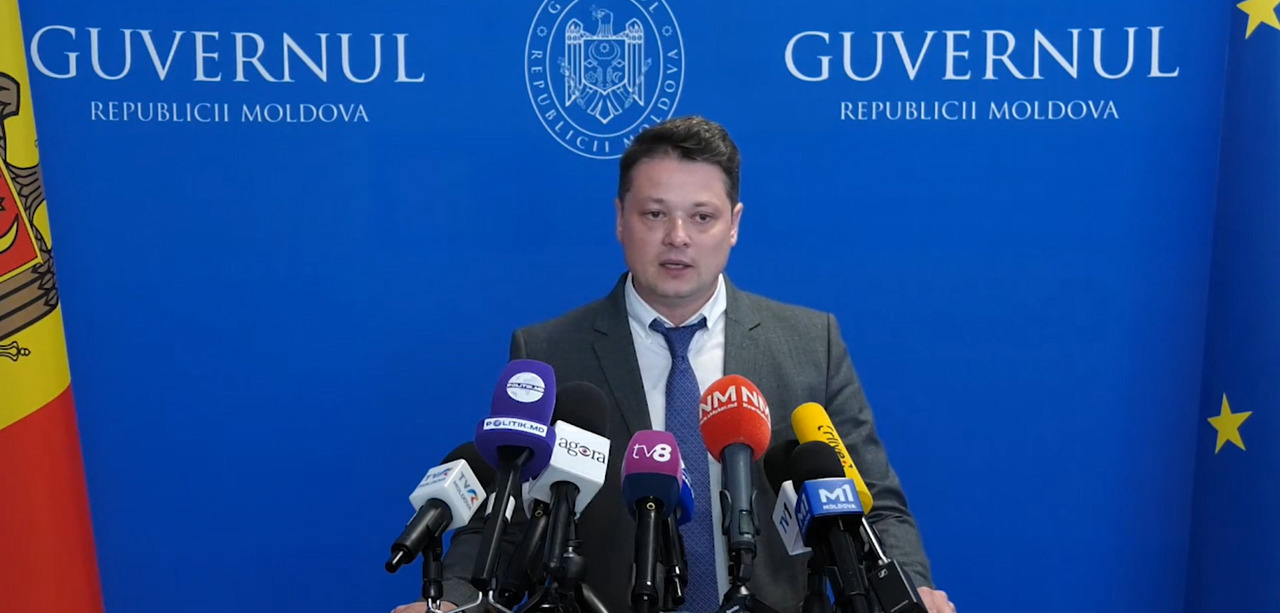
"We are not abandoning the concept of the pharmacy. The pharmacy serves as the foundation from which other outlets—such as branches or pharmaceutical points—originate. Discussions have focused on mobile pharmacies and, likely, on automated dispensing units—specifically for over-the-counter medicines," noted Alexandru Gasnaș following the government meeting on September 22.
The Minister clarified that mobile pharmacies would not operate as separate legal entities. Instead, they would be linked to a main pharmacy and could be deployed in communities where opening a permanent facility is not sustainable.
A separate solution is envisaged for very small localities that even mobile pharmacies cannot reach. In such places, automated dispensing units could be installed to sell exclusively over-the-counter medicines. "Regarding the law on pharmaceutical activity, there are debates because the academic community envisions the organization of pharmaceutical operations one way, while the business sector sees it differently; however, we must proceed from the patient's perspective: do they have access to medicines or not?" stated Alexandru Gasnaș.
The draft Pharmacy Law, currently under public consultation until September 23, states that mobile pharmacies may serve only villages without a fixed pharmacy unit. At the request of the local municipality, a mobile unit may be temporarily deployed to a locality pending the authorization of a standard pharmacy or a pharmaceutical outlet.
In village-based pharmacy branches and outlets, the coordinating pharmacist must be physically present at least two days a week; for the remainder of the time, they will supervise operations remotely.
Pharmacists, pharmacy assistants, or medical personnel who have completed a national professional retraining program may dispense medications. Individuals currently working in rural pharmacies without pharmaceutical training will have 24 months to obtain the necessary certification; after this period, they will no longer be permitted to work without it.
The Ministry of Health clarifies that the new Pharmacy Law does not end the "Pharmacy in Your Village" program. Under this initiative, 135 state-subsidized pharmacies were opened between March 2024 and July 2026. However, the program applies only to villages with more than 1,000 inhabitants, meaning smaller localities—which often have large elderly populations—remain excluded.
One issue cited is the high cost of maintaining a pharmacy in small communities. Through the program, each pharmacy receives a monthly subsidy ranging from 10,000 to 20,000 lei. At the current ceiling, subsidies for the 135 pharmacies opened under the program could reach approximately 32 million lei annually.