Moldova aims to be a regional trade hub. Tofan: "We want American investments"
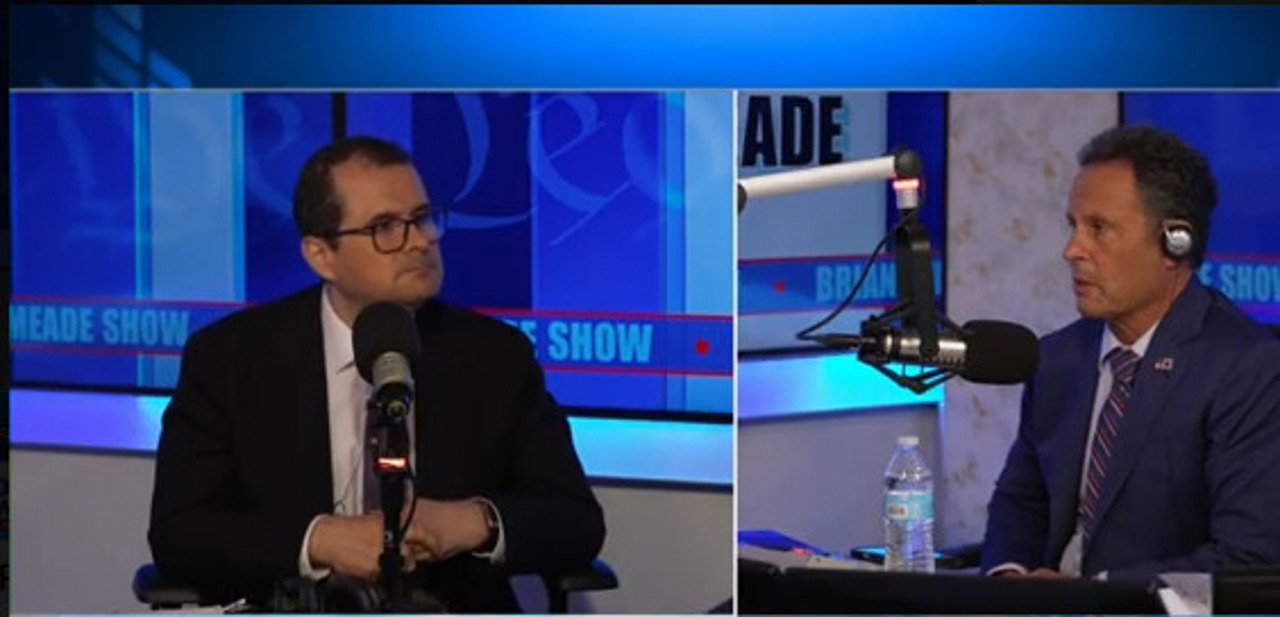
The Republic of Moldova aims to attract American investment and become an export platform for European markets and the future reconstruction of Ukraine. Prime Minister Vasile Tofan says that, despite its small domestic market, the country can leverage its location and proximity to the European Union to become a regional trade hub. He made these remarks during an interview with Fox News in New York.
According to Tofan, Moldova has a small domestic market, and a key opportunity is to position the country as a platform for trade and investment.
"I believe our greatest assets are being a highly business-friendly country that positions itself as an export center and a commercial hub for the region," the Prime Minister stated.
Tofan noted that the Republic of Moldova is open to American investments that could utilize the country as a platform to access European markets. He also highlighted Moldova's potential role in Ukraine's reconstruction.
"That is why we are very open to American investments that would use Moldova as a platform—for instance, for the future reconstruction of Ukraine, as a gateway to EU markets, and given our status as an EU candidate country," the Prime Minister said.
The Prime Minister also discussed Moldova's European integration path. According to him, the authorities aim to sign the EU accession treaty in 2028, after which all member states would need to ratify the document.
The Prime Minister confirmed that the Republic of Moldova remains a neutral state and intends to maintain this status.
"We are not NATO members. We are a neutral country, and we will remain so. We made a deliberate choice in this regard because, at this moment, we believe it offers us greater protection," Tofan explained.
US support for Moldova’s energy sector dubbed the "Trump Liberty Line"
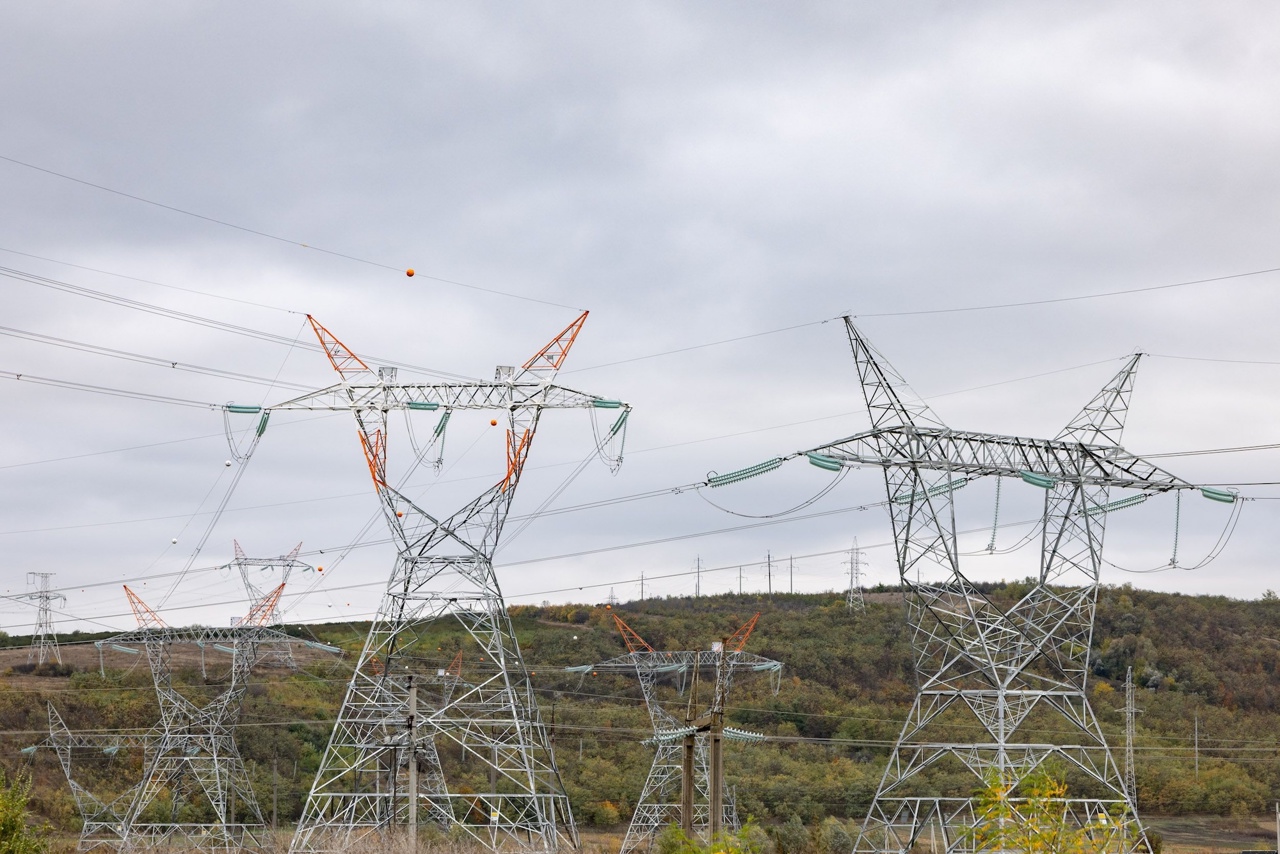
Tofan publicly thanked the US administration for its direct contribution to regional security, noting the support provided for the construction of a power line connecting the Republic of Moldova with Romania.
"I would like to take this opportunity to thank the American people and the current administration for their direct contribution to security in that part of the world. For instance, you may be aware that the US administration helped us build a 400-kilovolt power line connecting us to Romania; this potentially enables us to export energy to Ukraine as well. Our ambassador calls it the 'Trump Liberty Line.' Such infrastructure projects contribute to a stronger Moldova and, by extension, a stronger Ukraine," the Prime Minister said.
Regarding the war in Ukraine, Tofan stated that the Republic of Moldova needs a strong Ukraine and that a prosperous, democratic Moldova can help secure Ukraine's southwestern flank. Discussing Ukraine's defense needs, Tofan emphasized the critical importance of Patriot missile defense systems, drawing a connection to his own personal experience in Kyiv. "I can speak as someone who has lived in Kyiv throughout this war. And when a ballistic missile strikes near your home and shakes it to its foundations, I would be enormously grateful if the country could receive more—many more—Patriot systems. Because Ukraine can shoot down cruise missiles, Ukraine can shoot down drones, but we cannot shoot down ballistic missiles. And that is why we need Patriot systems," the Prime Minister stated.
Tofan also spoke about the development of Ukraine's drone industry, attributing it—among other factors—to the liberalization of production and the involvement of a large number of manufacturers. According to him, Ukraine remains ahead of Russia in terms of drone technology, even though Moscow has narrowed the gap somewhat. “It is a fascinating subject. You see, it is also a matter of choosing an economic model. What Ukraine did was to de facto liberalize a large part of drone production. People started building drones—literally—in garages. Ukraine has hundreds of drone manufacturers. It was a choice of a free-market capitalist model. One reason Russia has lagged behind is that it stuck to a hierarchical, state-owned enterprise model; it has a huge state-owned company handling military production. And, as you know, hierarchies always lose to markets. That is one of the reasons Ukraine has won the innovation race, with faster innovation cycles,” the Prime Minister explained, while acknowledging that Russia has partially closed the technological gap.
NATO expansion: not a threat to Russia, but a consequence of its aggression
Prime Minister Vasile Tofan rejects the argument that NATO’s expansion toward Russia’s borders was a cause prompting Moscow’s military reaction. In his view, Russia's war against Ukraine has, on the contrary, drawn states that were not previously part of NATO closer to the alliance.
“The way I see it, by trying to deter NATO, Putin has only encouraged the alliance’s expansion. Look at Sweden and Finland. Essentially, the plan didn’t work. To me, NATO is an alliance—an alliance... "...defensive. It was never a threat to Russia. It was intended to stop Russia from expanding and taking over all of Europe,” the prime minister explained.
Speaking about the situation in Georgia and its relationship with Russia, Tofan drew parallels between the 2008 Russo-Georgian war, Russia’s illegal annexation of Crimea in 2014, and the full-scale invasion of Ukraine in 2022.
According to the prime minister, the Kremlin has repeatedly used foreign conflicts to bolster domestic support for the Russian leadership during periods when its popularity was waning. He first cited the 2008 war in Georgia, after which Russia maintained control over Abkhazia and South Ossetia.
Tofan then referred to the 2014 annexation of Crimea, noting that this episode, too, was followed by a rise in support for Vladimir Putin in Russian opinion polls.
"Whenever the Kremlin administration's poll numbers drop, they start a short, victorious war. They did this in 2008 in Georgia—it was a brief war that bolstered the government's legitimacy. They held onto two provinces. Then the polls began to slip again because they weren't delivering on the economic front, so they started another war. Crimea was another such moment in March 2014, which again led to a rise in Putin's approval ratings. And in 2022, they thought it would be another short, victorious war—they planned to take Kyiv in three days. But as you can see, that led to the bloodshed and chaos we are in now," stated Tofan.
Prime Minister Vasile Tofan is leading the Republic of Moldova's delegation to the 81st United Nations General Assembly in New York and is scheduled to deliver a speech in the plenary session on September 26.