Moldova has declared energy and hydrological emergency

As of September 26, the Republic of Moldova is entering a state of emergency in the energy and hydrological sectors, amid heightened risks regarding energy and fuel supplies, as well as drought and very low water levels in the Nistru and Prut rivers. The National Crisis Management Commission has approved a series of measures to maintain energy and fuel reserves, protect water resources, and ensure essential services should the situation deteriorate.
According to the authorities, there are currently sufficient resources for the population, though supply risks have increased. The measures adopted aim to enable faster interventions and prevent potential disruptions.
"The goal of these measures is to prevent problems rather than wait for them to arise," stated the National Crisis Management Center (CNMC).
Authorities attribute the declaration of a state of emergency to the regional situation and unfavorable hydrological conditions. Ukraine's energy infrastructure remains affected, while electricity import options remain limited. Meanwhile, international gas and fuel markets remain volatile, and drought is impacting water reserves.
With the cold season approaching, authorities also anticipate a rise in energy consumption.
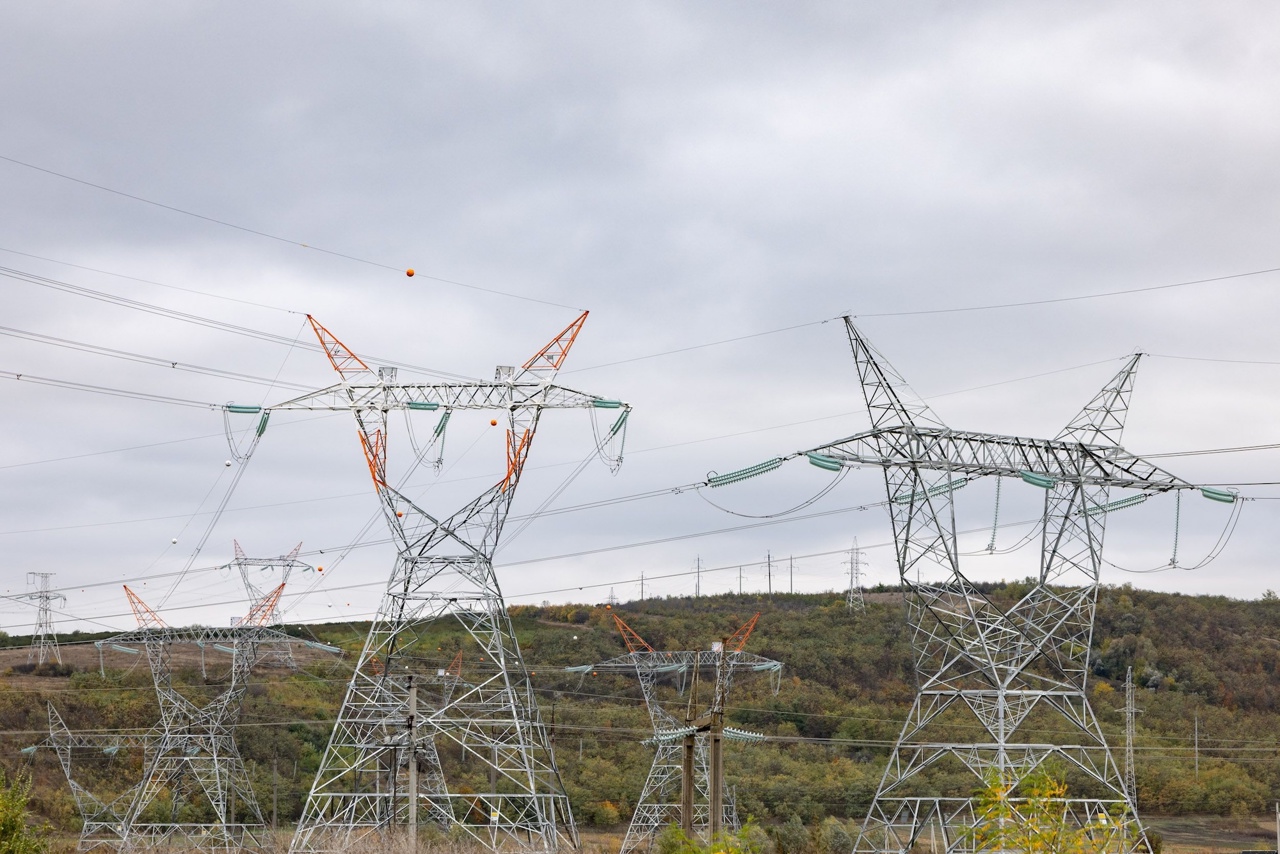
Measures for the energy sector
Should the energy system come under additional strain, hospitals, emergency services, water intake and pumping stations, and other vital facilities will be prioritized for electricity supply.
During the 18:00–22:00 peak consumption period, available energy will be reserved primarily for domestic needs, and exports will be restricted.
"If a deficit arises that cannot be covered through standard procurement, authorities will be able to request emergency energy from the grids of neighboring countries," the CNMC noted.
Additionally, district heating plants can increase electricity generation when the system requires it. New energy generation and storage projects will benefit from expedited procedures to increase the number of available domestic sources.
Public authorities and institutions will be required to reduce energy and fuel consumption. Public lighting will be dimmed where it is safe to do so, and decorative and advertising lighting will be switched off.
Energy-intensive businesses will also be encouraged to shift energy-heavy operations to off-peak hours.
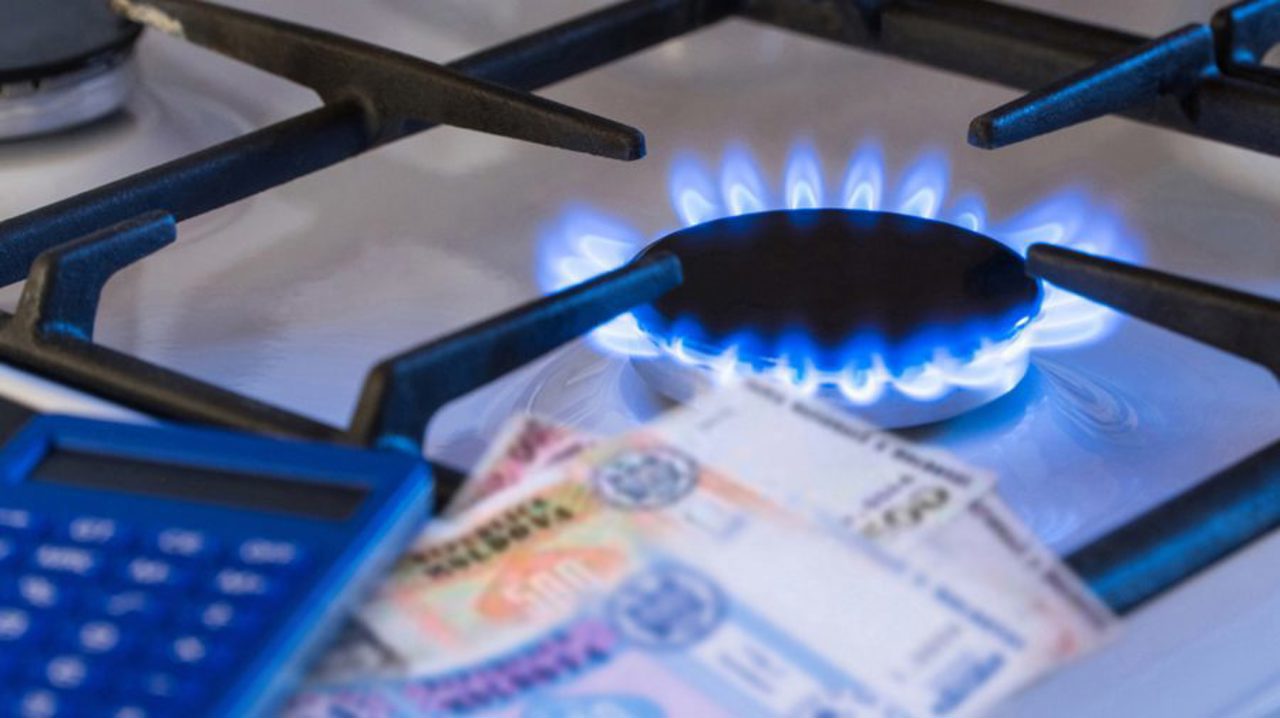
Fuel supply restrictions and measures
To maintain fuel reserves, authorities have established conditions for the export and re-export of gasoline and diesel via the Giurgiulești International Free Port.
"The export and re-export of gasoline and diesel will be permitted only if at least 2,500 tonnes of gasoline and 7,500 tonnes of diesel remain in storage, subject to specific exceptions outlined in the decision," the statement reads.
Shipments bringing fuel into the Republic of Moldova will benefit from dedicated border lanes, and trains transporting fuel will be given priority on the railway network to reduce supply times.
Furthermore, to prevent artificial shortages caused by bulk purchases in containers, the amount of diesel sold in containers at gas stations will be limited to 40 liters. For specialized containers intended for refueling agricultural machinery, the limit will be 100 liters.
Authorities have also set rules for selling standard diesel to protect consumers. "As long as a service station stocks standard diesel, it must be made available for sale at the regulated price, rather than being replaced by more expensive types of diesel," the CNMC informs.
Priority for water supply to the population and essential services
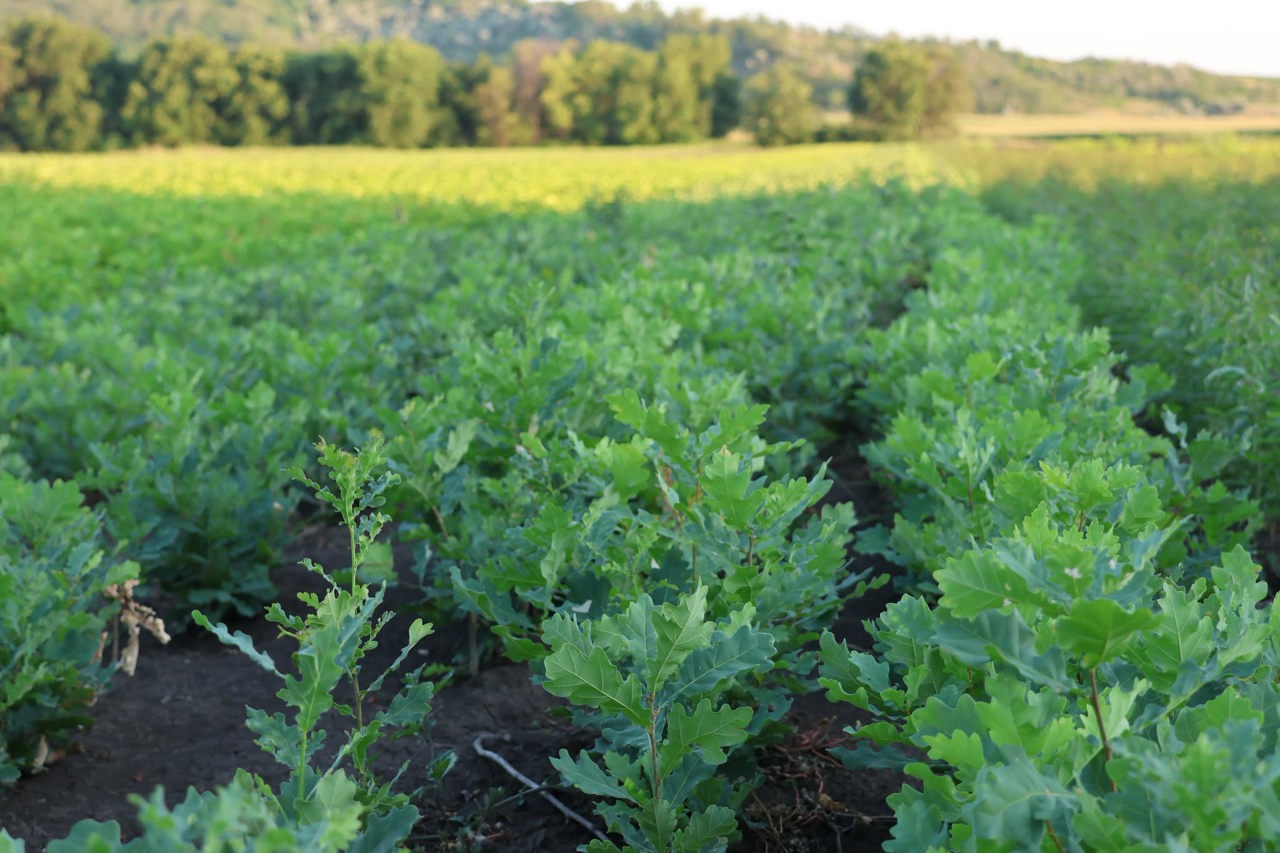
In the water sector, measures focus on protecting water reserves given the very low flow rates of the Nistru and Prut rivers.
Priority for drinking water supplies will be given to the population and essential services, including hospitals, social institutions, schools, emergency services, and critical infrastructure. Authorities will also ensure the necessary water supply for the operation of centralized heating systems ahead of the cold season.
During the state of emergency, water abstraction from the Nistru and Prut rivers for irrigation purposes is suspended.
Furthermore, drinking water from public systems and water drawn from surface sources may not be used for activities that can be postponed, such as watering lawns and ornamental areas, washing streets, courtyards, or building facades, or filling swimming pools and recreational basins.
These restrictions apply throughout the day.
In parallel, water utility operators must prepare plans for the eventuality that water levels in the Nistru and Prut rivers continue to drop. They will assess how long they can operate using existing reserves and identify alternative sources that could be utilized should water availability decrease by 10%, 20%, or 30%.
Mobile water supply for affected localities
Should the public water supply network no longer be able to provide service to a locality, the authorities will organize a mobile water supply.
"Priority will be given to hospitals, social institutions, schools, emergency services, and the populations of affected localities," the statement reads.
Backup solutions, including high-capacity pumps, are also being prepared for more critical situations. Artesian wells and other verified groundwater sources can be brought into operation if surface water levels continue to drop.
The measures approved via Decisions No. 8 and No. 9 of September 25 come into effect on September 26, 2026.
The Ministry of Energy will coordinate the response in the energy sector, while the Ministry of Environment will coordinate actions in the water sector. The National Crisis Management Center will monitor the situation nationwide and oversee the implementation of the measures.
The National Crisis Management Commission will continue to assess the evolving situation and adjust measures as necessary.