The hydrological crisis is impacting Transnistrian region. Valeriu Chiveri: "It seems Tiraspol is treating the issue seriously"
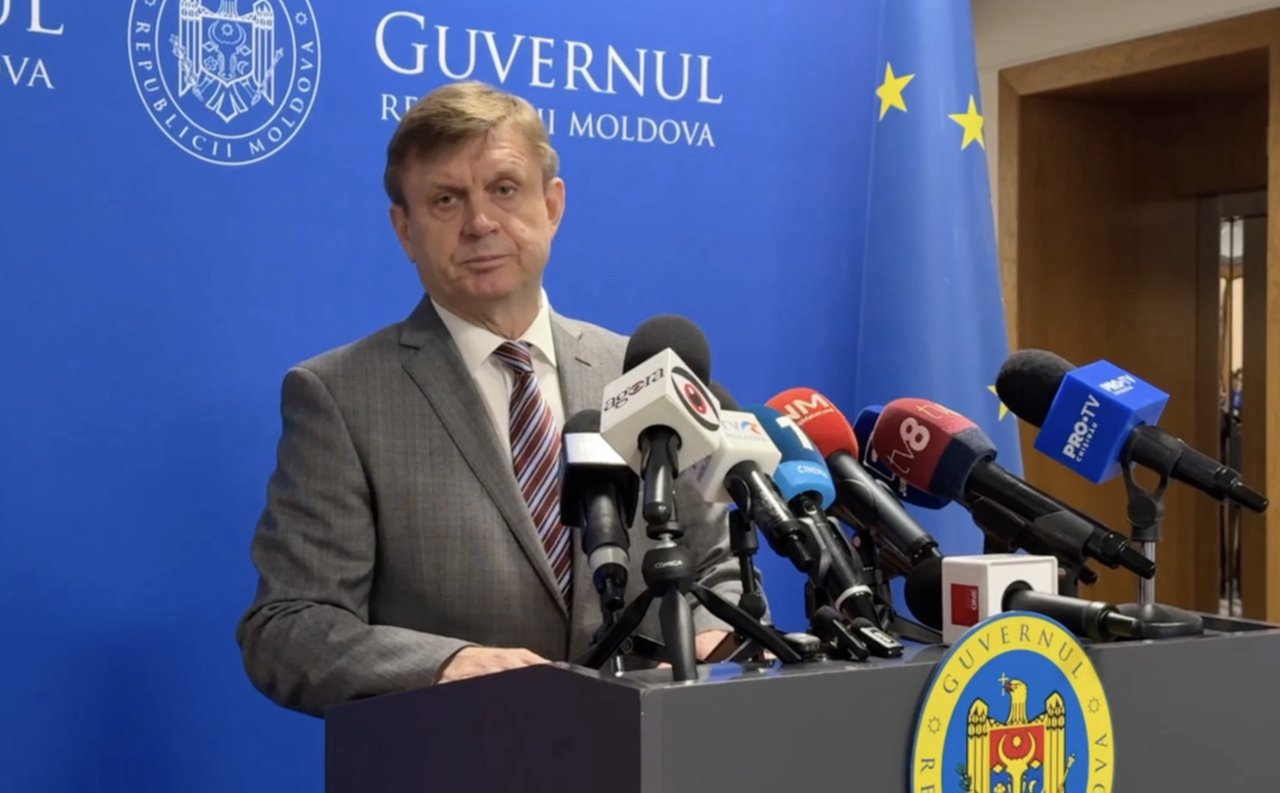
Chișinău is discussing the hydrological crisis affecting the Nistru River with Tiraspol. Deputy Prime Minister for Reintegration Valeriu Chiveri assures that the issue is being treated "seriously" by the so-called administration in Tiraspol as well.
"Cooperation between the right and left banks regarding the environmental issue on the Nistru takes place at a technical level—specifically concerning the Dubăsari power plant and the reservoirs. There is cooperation and frequent communication. There is also a political dimension: this subject was addressed during the recent '1+1' format meeting in Tiraspol, as well as in written correspondence between political representatives. We have the impression that this issue is being treated with the utmost seriousness in Tiraspol as well," stated Chiveri prior to the Cabinet meeting on September 30.
Water from the Nistru is drawn both for the consumption of the population in major cities on the left bank—Tiraspol, Tighina (Bender), and Râbnița—and to meet industrial needs.
The situation on the Nistru River, which supplies water to about 80% of Moldova's population, has become critical due to drought.
Ukraine can no longer guarantee the agreed minimum water flow for the Nistru, as inflow into the Novodnistrovsk reservoir is currently only 27 cubic meters per second; the Ministry of Environment announced this following an extraordinary meeting of the Dniester Commission on September 29.
According to the authorities, the current flow does not allow an increase in water releases to the Republic of Moldova. "The Ukrainian side informed us that it is impossible to release a volume of water greater than the inflow entering the reservoir, in order to avoid depleting reserves and completely cutting off the water supply to communities already affected," the institution stated, noting that difficult hydrological conditions have persisted for several months upstream of the Novodnistrovsk Reservoir.
Water levels in the Nistru have dropped to unprecedented lows, and water supplies in some Ukrainian localities are already being rationed under decisions made by the authorities.
Any potential increase in water releases toward the Republic of Moldova depends entirely on precipitation patterns in the upper reaches of the river basin.
It is the primary hydrological artery. Water from the Nistru is drawn both for consumption by the populations of major cities (Tiraspol, Bender, Rîbnița) and to meet the massive volume requirements of the industrial sector.
A hydrological crisis is affecting the Nistru and Prut rivers, along with several smaller rivers in the Republic of Moldova. In some sections, flow rates have dropped to historic lows, currently representing only 10–15% of normal levels. Authorities are continuously monitoring the situation to ensure local communities maintain their water supply.
At present, the Republic of Moldova cannot negotiate a higher flow rate on the Nistru with Ukraine, as reserves in the Novodnistrovsk reservoir are nearly depleted.
The meteorological authority has issued Red, Orange, and Yellow hydrological warnings for several sections of the country's rivers, valid until at least October 2.
As of September 26, the Republic of Moldova has declared a state of emergency in the energy and hydrological sectors for 60 days.
Given these conditions, authorities are urging citizens and businesses to use water resources rationally.