€15 million saved in fees via SEPA in 11 months: "Lower costs, closer ties with the EU"
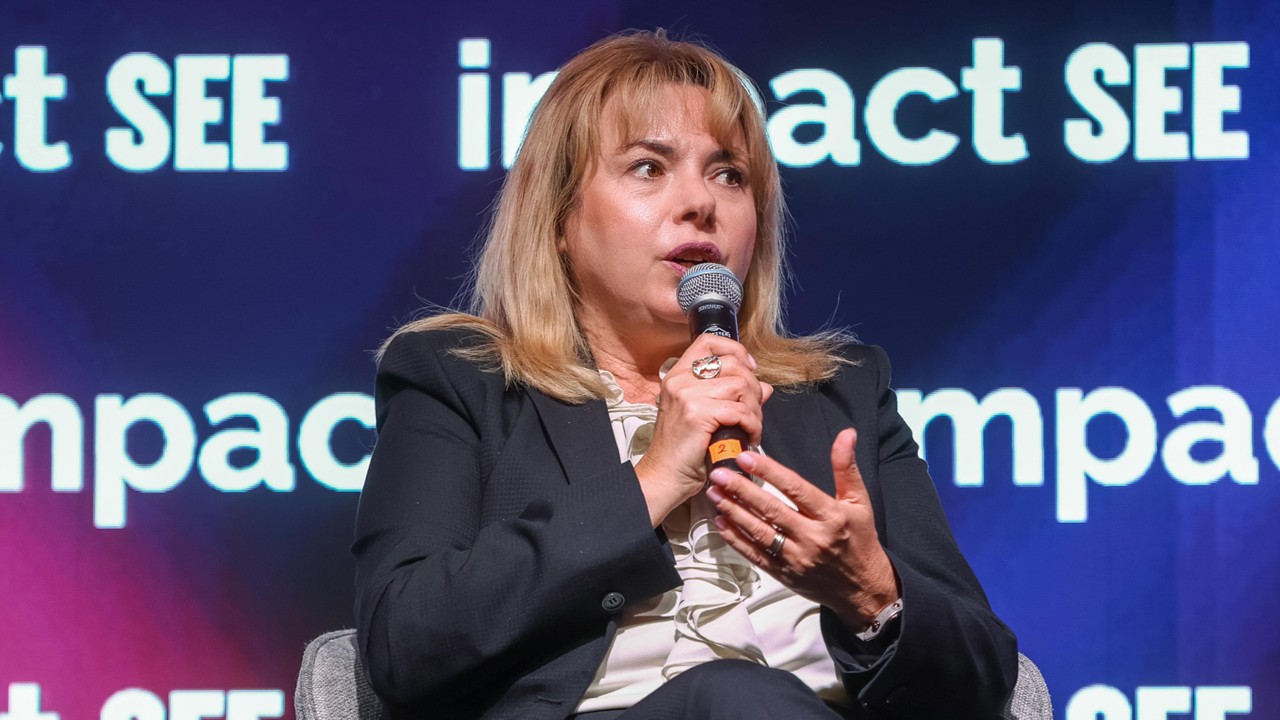
Citizens of the Republic of Moldova saved nearly 15 million euros in fees during the first 11 months of the Single Euro Payments Area (SEPA) being operational, a period that saw approximately 1.1 million transfers take place. Additionally, the MIA Instant Payments system has surpassed one million users, stated Anca Dragu, Governor of the National Bank of Moldova (NBM), at the “Impact SEE” regional conference held in Bucharest on September 29.
The Republic of Moldova’s connection to SEPA on October 6, 2025, is a component of the process of drawing closer to the European Union, and using the system enables euro transfers to be made under more favorable conditions.
"European integration is built even before actual accession to the European Union. For a central bank, this means financial institutions operating according to European standards and consistently applied rules, as well as results that people can already feel: faster transfers, lower costs, and closer economic ties with the European Union," stated Anca Dragu.
The NBM Governor added that Moldova’s banking system has been strengthened in recent years; currently, domestic banks possess high levels of capitalization and liquidity, and increased lending has contributed to financing the economy.
"Investor confidence rests on credible institutions and a banking sector capable of financing the economy responsibly. Banking reforms have strengthened this foundation in the Republic of Moldova. Exchanging experience with central banks in the region helps us continue reforms and be better prepared for future challenges," Anca Dragu noted at the conference in Bucharest.
How the Republic of Moldova Joined the SEPA Payment System
The Republic of Moldova’s journey toward the Single Euro Payments Area (SEPA) officially began on January 30, 2024, when the Governor of the National Bank of Moldova (NBM), Anca Dragu, signed the application for accession addressed to the European Payments Council.
Subsequently, on March 6, 2025, the country was accepted into the SEPA geographical area—a decision that, according to the NBM, confirmed compliance with requirements regarding the regulatory framework and payment infrastructure.
The decisive step took place on October 6, 2025, with the operational interconnection of the Republic of Moldova to the SEPA system for euro transfers.
SEPA (Single Euro Payments Area) is a European framework that enables euro transfers between participating countries under standardized conditions regarding cost, security, and processing, regardless of national borders.
Currently, the SEPA zone comprises the European Union member states, the United Kingdom, countries in the European Economic Area, Switzerland, Andorra, Monaco, San Marino, and the Vatican.
The MIA Instant Payments system: Increasingly diverse
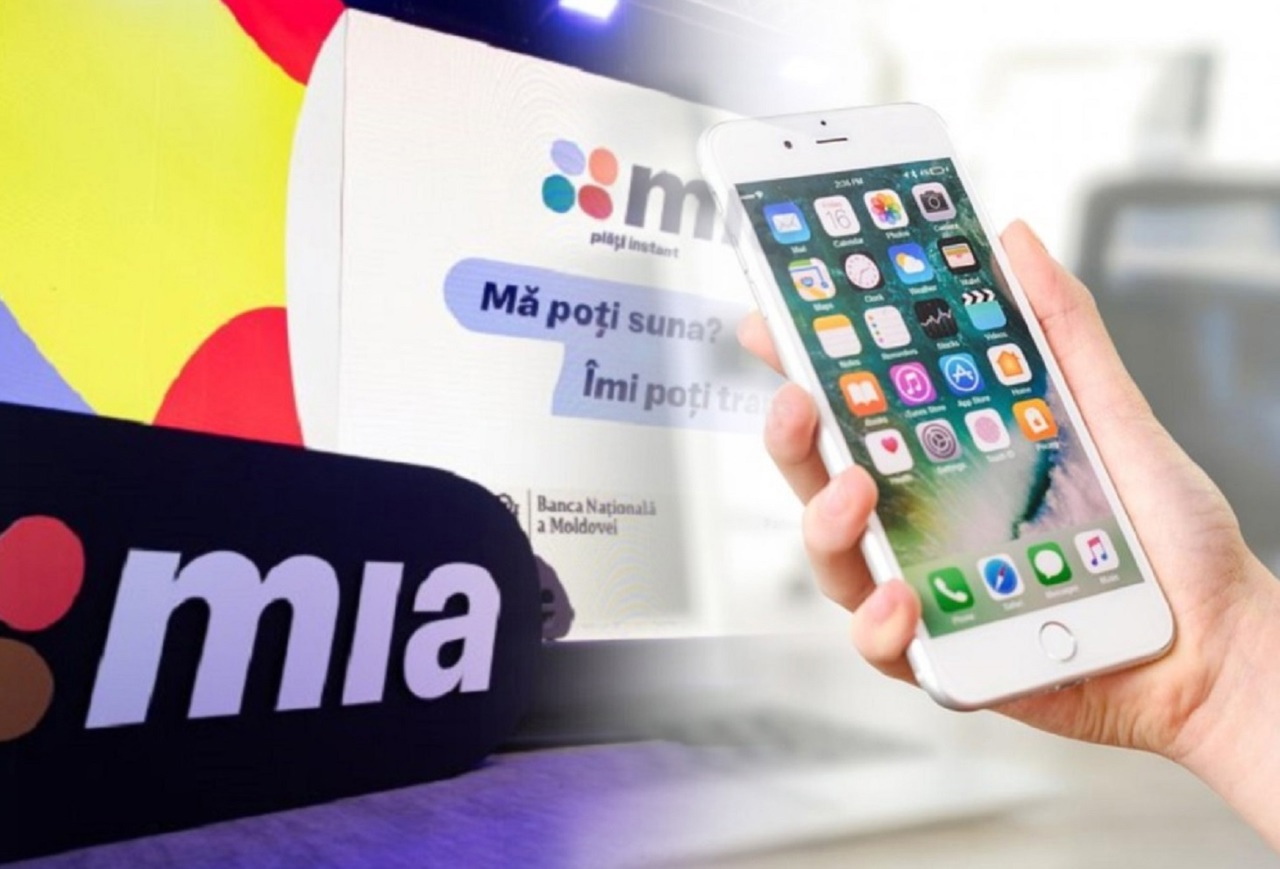
Developed by the National Bank of Moldova and launched on March 12, 2024, the MIA Instant Payments system has quickly become one of the most significant digital transformations in the Republic of Moldova's financial sector.
The platform has evolved considerably from simple person-to-person (P2P) transfers based on phone numbers: it now includes payments via QR codes, links, and payment requests; merchant payment acceptance (P2B); payments to public institutions (P2G); and, recently, instant transfers between companies (B2B).
Currently, over one million unique users are registered in the system and can receive transfers or payment requests via their phone numbers. Additionally, more than 12,000 businesses are connected to the network, providing over 24,000 points across the market where MIA payments are accepted.
For legal entities, these transfers can be used to pay invoices, advances, or other commercial transactions; the fee charged is 0.7% of the transfer amount, capped at 40 lei per transaction.
According to National Bank of Moldova data, approximately 15 million transactions—with a total value exceeding 13.2 billion lei—were processed through this real-time transfer mechanism during 2025.