Moldova-Slovakia social security pact enters into force
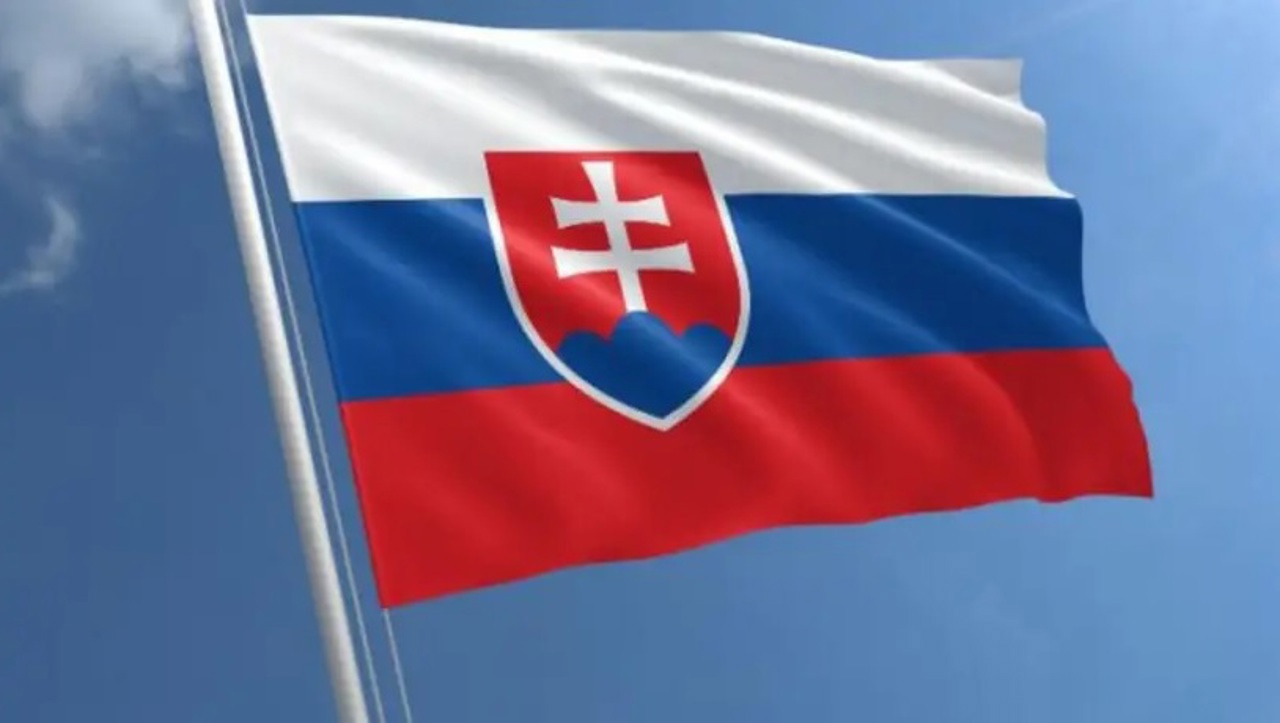
A bilateral social security agreement between Moldova and Slovakia entered into force on October 1, enabling diaspora workers to claim retirement pensions earned through formal employment in both jurisdictions.
The treaty marks the 19th international social security agreement administered by the National Social Insurance House (CNAS). Moldovan authorities are also finalizing negotiations with Croatia and Ireland, while awaiting official ratifications from France, Switzerland, Canada, and Ukraine to establish effective dates for signed agreements.
Contribution history and qualifying thresholds
Under bilateral framework regulations, pension allocations reflect only confirmed periods of legal employment where mandatory contributions were paid. Unreported employment and undocumented labor are strictly excluded from calculations across all partner states.
The pact provides crucial relief for citizens who fail to meet Moldova’s statutory minimum contribution period of 15 years. Work history accumulated in partner countries can be aggregated to establish formal pension eligibility.
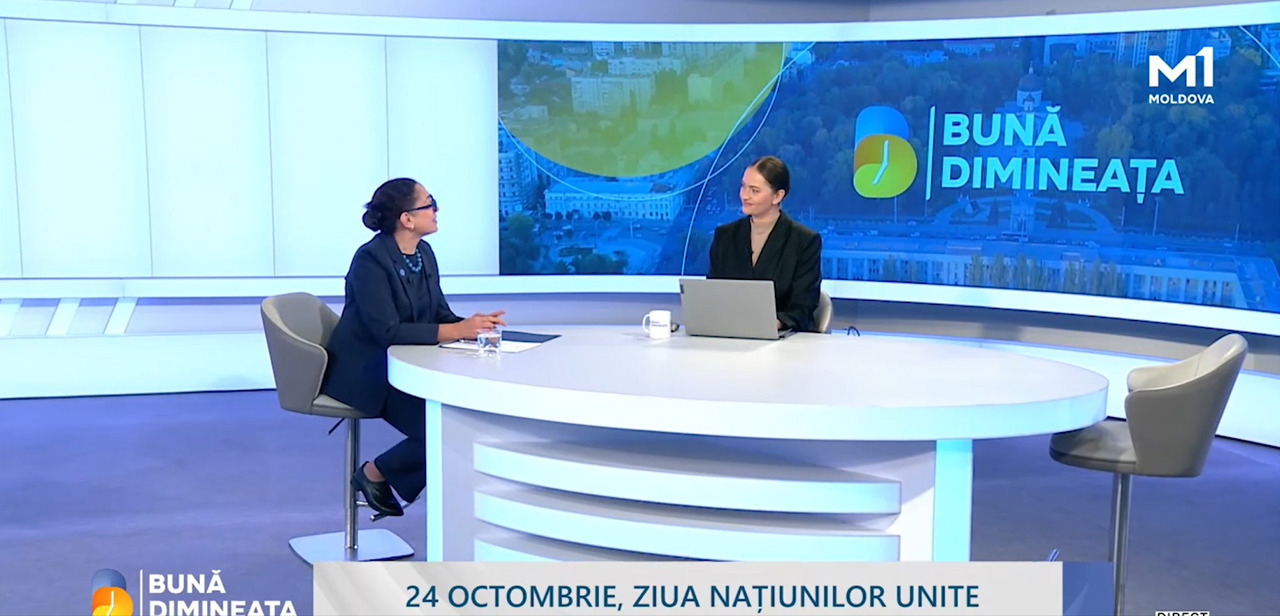
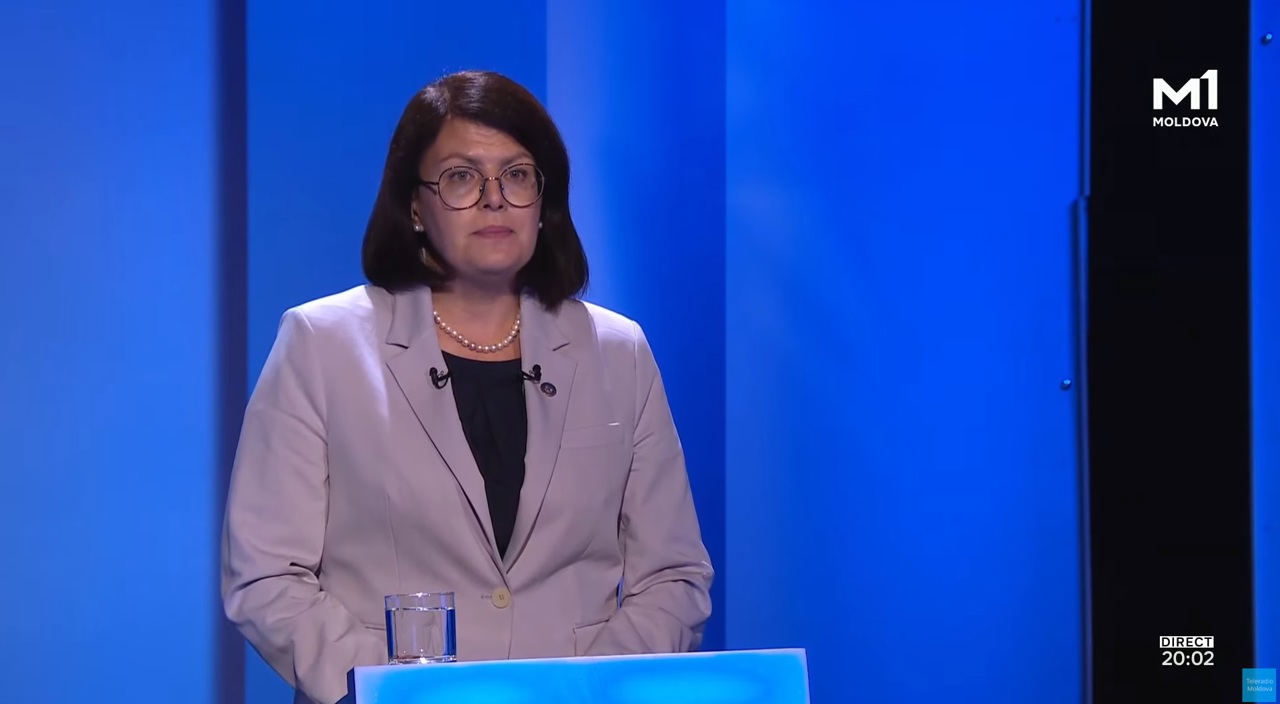
“If someone worked ten years in Moldova and does not meet the minimum period, the agreement enables us to aggregate the qualifying periods completed in Slovakia or Italy,” said former CNAS Director Elena Țîbîrnă during a broadcast on public television Moldova 1.
Expanding cross-border pension distribution
Moldova currently remits monthly pension payments to 2,699 beneficiaries residing across 17 countries, with the largest share living in Germany and Romania. The overseas beneficiary registry expanded by over 400 recipients during 2025.
Official CNAS data released to Teleradio-Moldova indicates that 402 new overseas social insurance entitlements were established in 2025, compared with 287 in 2024. Payouts are transferred directly to beneficiaries’ accounts in euros or local currencies.
Translation by Iurie Tataru
RELATED COVERAGE
- Moldova expands social security network to 18 nations
- “Work must be legal”: how to secure your pension after working in Moldova and abroad
- Moldova-Canada social security agreement allows citizens to receive pensions for work done in both countries
- Moldova indexes pensions by 6.84 percent starting April 1
- Top pensions in Moldova: Banking leads, IT lags