G7 nations to release 100M barrels of fuel to calm markets
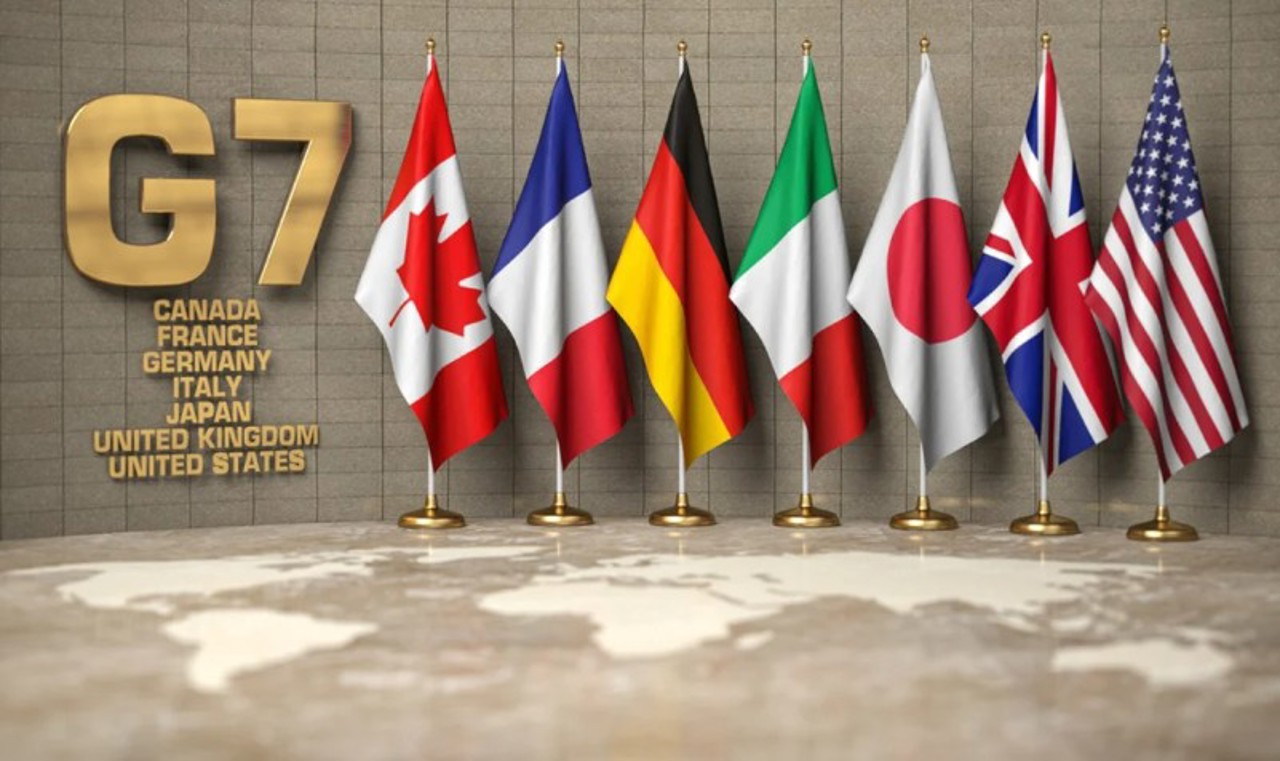
The Group of Seven economies will coordinate a phased release of 100 million barrels of diesel and refined fuels via the International Energy Agency to stabilize soaring global markets, leaders announced on Friday.
Coordinated reserve release over four months
The intervention will begin immediately and extend over a four-month timeframe, with a substantial portion of diesel reserves front-loaded during the opening 20 days by G7 partners. The joint declaration was issued by the office of French President Emmanuel Macron following a virtual summit of G7 heads of state and government.
“We agreed that there will be no export restrictions or bans among G7 members,” said Macron, adding that U.S. President Donald Trump was equally clear regarding previous warnings to restrict American gas exports.
“Europe has just agreed to put a vast amount of its diesel stored in large quantities onto the market. The process will begin immediately,” said Trump in a post on his Truth Social platform.
Transatlantic talks calm benchmark oil indices
The emergency virtual meeting aimed to curb steep price increases across the fuel sector. Energy markets reacted swiftly, with crude futures sliding as traders priced in the anticipated release of European emergency diesel stocks following U.S. pressure.
By Friday afternoon, Brent crude for December delivery fell 1.98% to $100.28 per barrel. The U.S. benchmark, West Texas Intermediate (WTI) for November delivery, dropped 2.93% to $90.15, after slipping more than 5% earlier in the session to hit an intraday low of $88.06.
Washington had pressed European allies to tap strategic reserves, warning it might otherwise curtail fuel shipments to the European Union. Escalating pump costs have raised economic stakes ahead of the upcoming U.S. midterm elections, where fuel prices heavily affect trucking, transport, and agriculture.
Middle East turmoil exposes structural deficits
Although regional conflict in the Middle East has pushed crude benchmarks higher throughout the year, constrained refining capacity remains the primary market vulnerability ahead of winter demand.
“Declining refining output in the Middle East and Russia, coupled with China canceling fuel export shipments to prioritize domestic consumption, continues to squeeze fuel availability,” said Ole Hansen, Head of Commodity Strategy at Saxo Bank.
Analysts cautioned that releasing emergency reserves provides only short-term relief rather than a durable remedy for underlying structural deficits.
“A drawdown from strategic reserves will help offset declining commercial inventories and relieve immediate price pressures. However, strategic stocks are designed to cushion temporary supply disruptions, not systemic imbalances,” said commodity analyst Giovanni Staunovo. “Lower reserves leave the market increasingly vulnerable to supply shocks, which could translate into higher volatility.”
Translation by Iurie Tataru
RELATED COVERAGE