Moldova table grape sector faces shift toward seedless demand
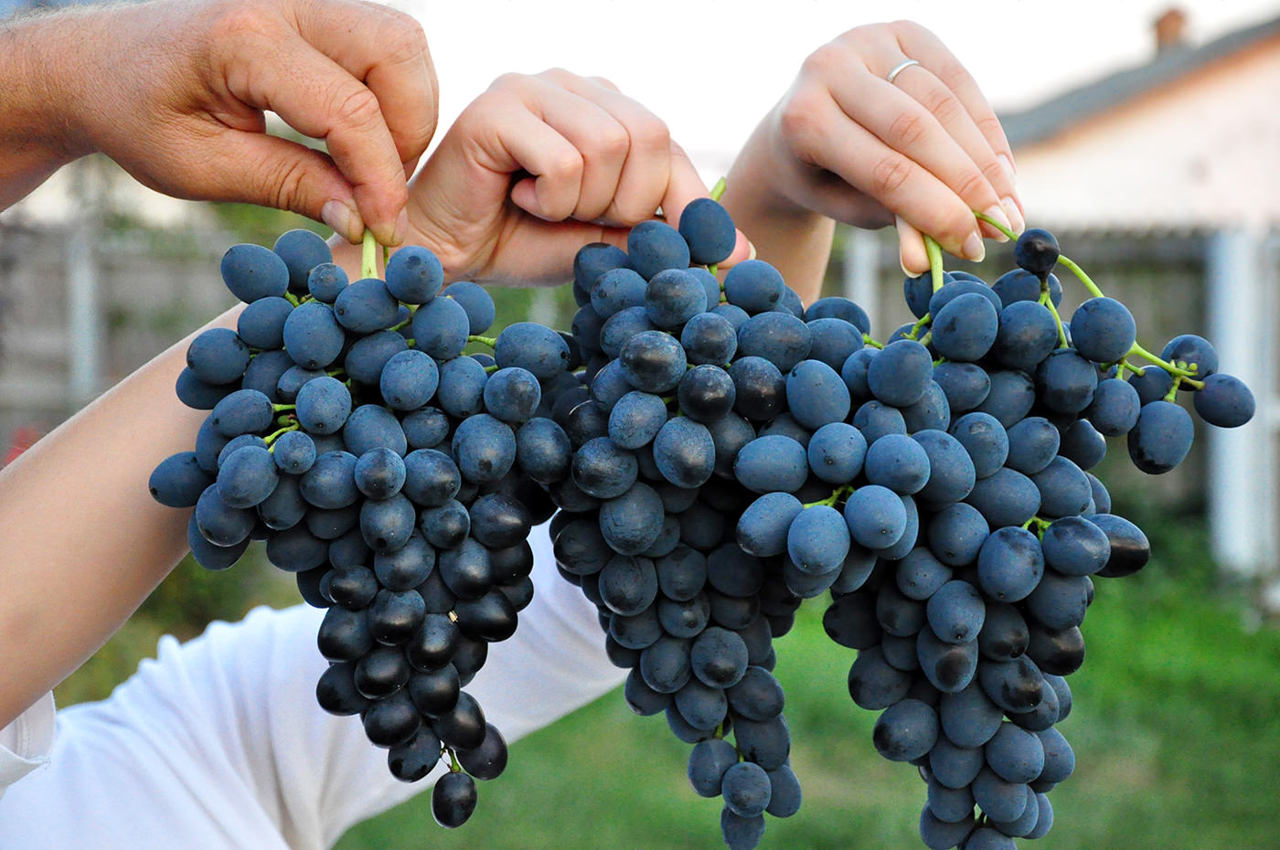
Moldova’s table grape industry faces a major commercial bottleneck as Western consumer demand pivots decisively toward seedless varieties, threatening the competitiveness of the country’s €100 million (approx. 2.01 billion MDL) annual sector.
Despite substantial modernization over the past 15 years, local growers remain heavily specialized in seeded black grapes, predominantly the legacy “Moldova” variety. While modern plantations in Burlacu, Mileștii Mici, Costești, and Parcani on the left bank of the Dniester feature drip irrigation, digital weather stations, and infrared anti-frost systems, market preferences have outpaced domestic varietal renewal.
Changing consumer habits
In an economic analysis, agrifood expert Ghenadie Ivașcenco highlighted that Western European markets now demand seedless grapes for roughly 80% of consumption. In contrast, seeded grapes are increasingly relegated to budget retail shelves at steep discounts.
“Our country remains heavily specialized in seeded black grapes, while the market is moving rapidly toward seedless varieties—especially white and pink, crisp, uniform, and adapted for supermarkets,” said Ivașcenco. “In the early 1990s, the ‘Moldova’ variety was a technological triumph, but today seeds have become a commercial liability.”
Depending on the season and retail channel, seeded table grapes fetch 40% to 50% less than modern seedless alternatives. Furthermore, domestic growers fail to capture the lucrative market window between Mediterranean harvests in Italy, Spain, and Greece and southern hemisphere supplies from Peru, Chile, and South Africa.
Low yields and market concentration
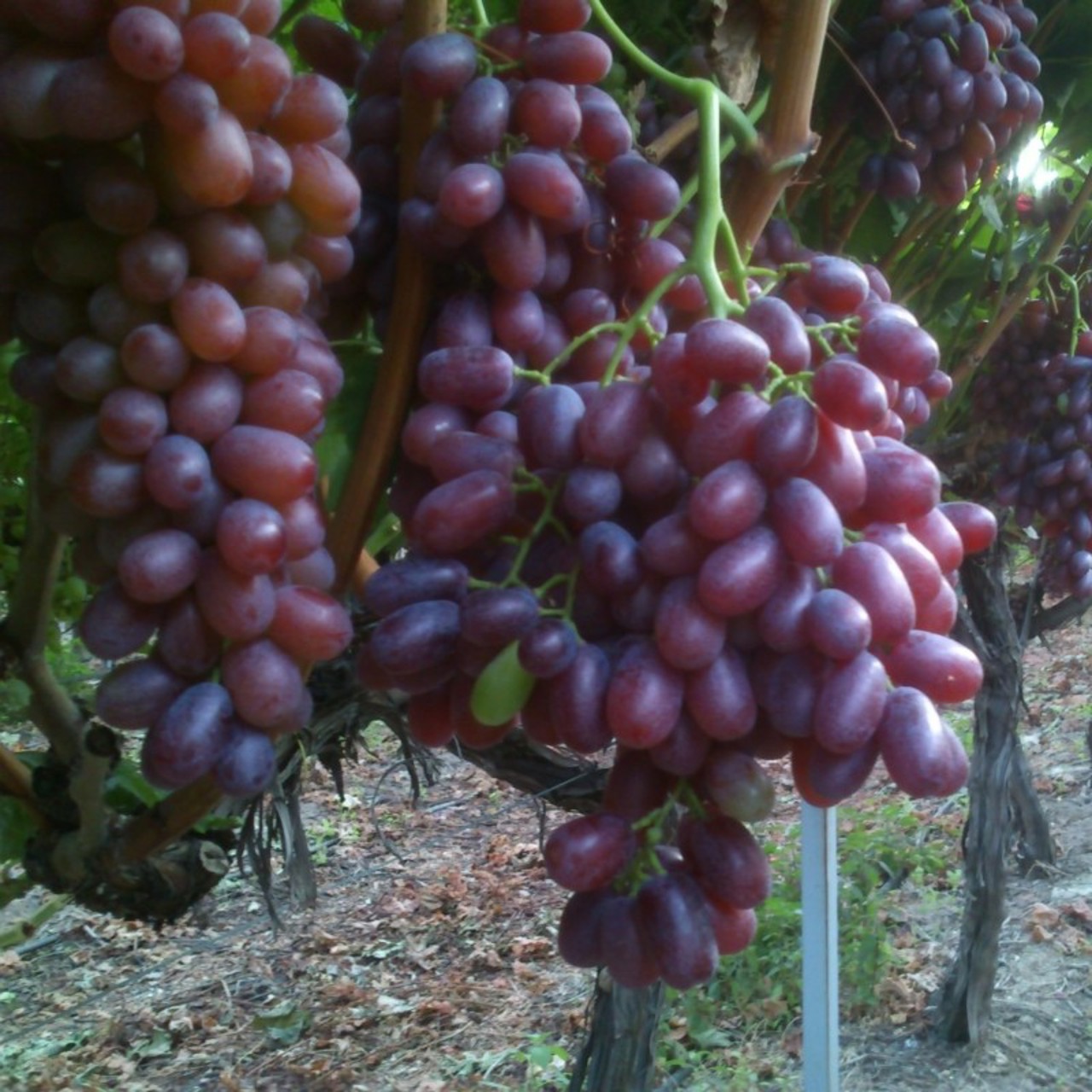
Moldova’s table grape production also suffers from acute structural fragmentation. Over 12,000 smallholders operate across 16,500 hectares of vineyards, with 90% managing plots smaller than two hectares.
Average yields reach just 9 tonnes per hectare across the country’s 15,000 productive hectares, yielding 100,000 to 130,000 tonnes annually. By comparison, Italy exceeds 30 tonnes per hectare, Peru achieves 26 tonnes, and South Africa reaches 20 tonnes.
“Only about 5% of our table grape vineyards have access to irrigation, and over 60% of exports remain concentrated in just three markets: Russia, Romania, and Poland,” Ivașcenco noted. He emphasized that expanding into high-value European retail requires urgent investments in certified seedless rootstock, agronomic research, and export diversification.
Translation by Iurie Tataru
RELATED COVERAGE
- Moldovan table grape growers showcase resilience in Cimișlia
- Moldova fruit harvest rebounds in 2026 as apple exports rise
- Moldova expects 15% higher wine grape yields in 2026
- Moldovan fruit growers adopt new technologies and fewer chemicals for EU standards
- Moldova grape farmers face huge losses as heavy rains ruin export harvest