Czech senator: Moldova shouldn't wait for others in EU accession talks
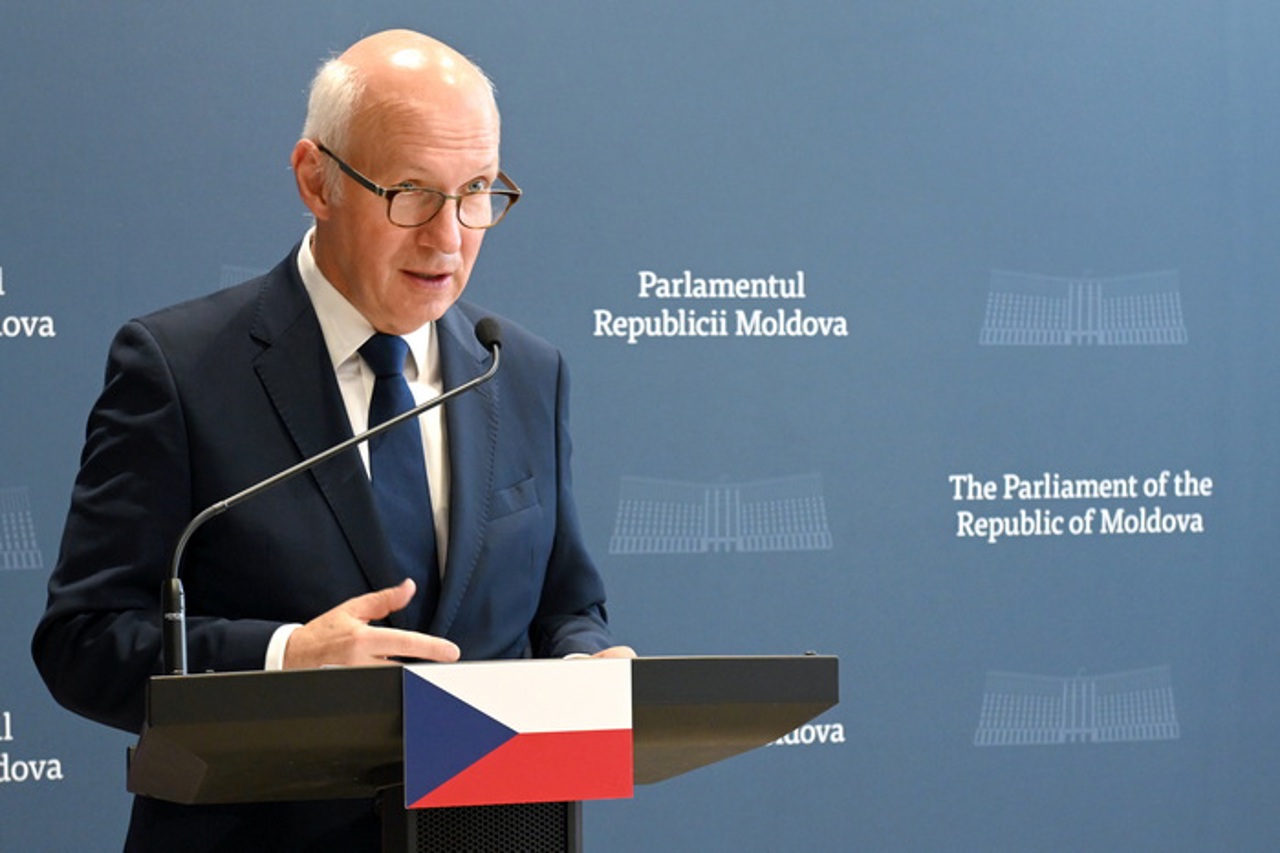
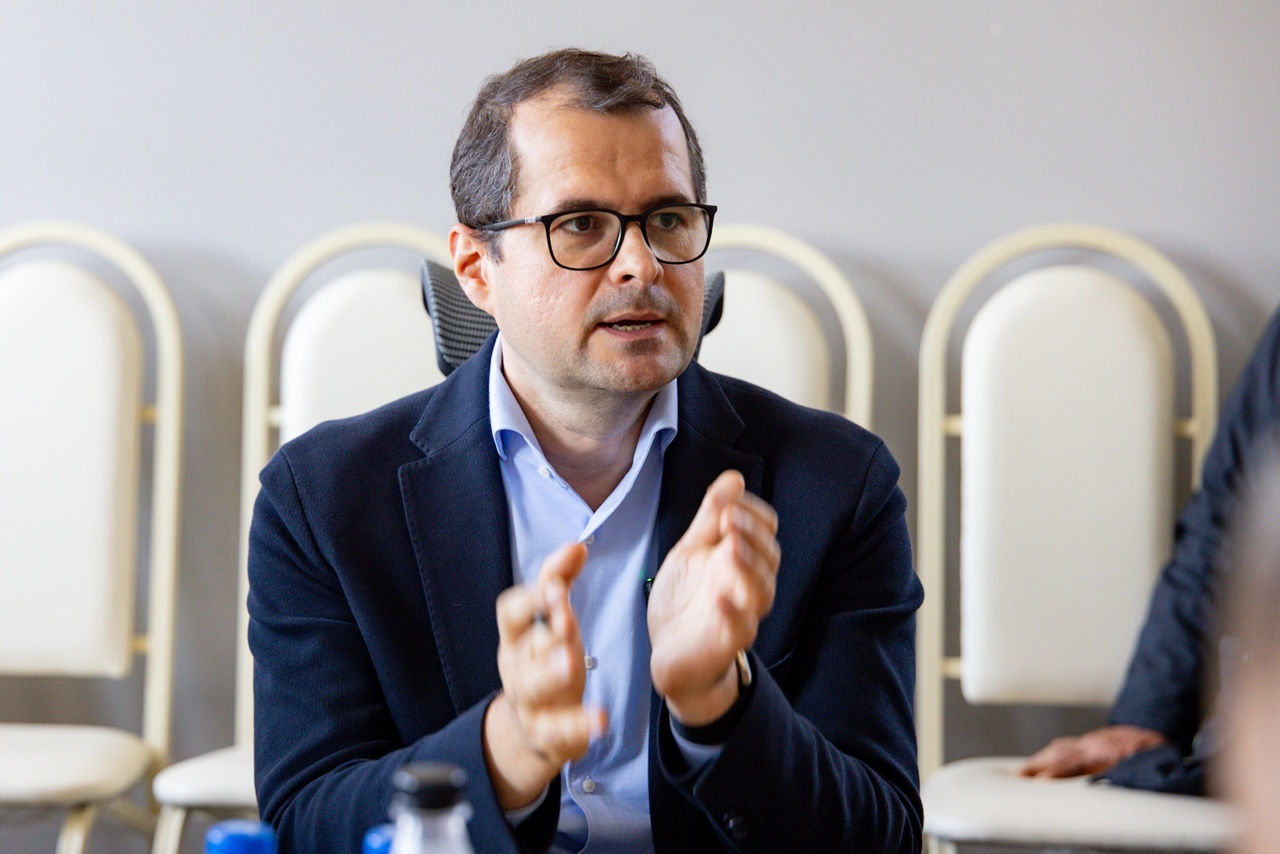
The Republic of Moldova should proceed with opening the remaining negotiation clusters with the European Union at its own pace, without waiting for other candidate states. However, the acceleration of negotiations must be accompanied by internal reforms, particularly in the areas of justice and the rule of law, states Czech Senator Pavel Fischer, Chairman of the Committee on Foreign Affairs, Defence and Security of the Czech Senate.
Fischer believes that the Republic of Moldova should advance in accession negotiations independently of the progress made by other candidate countries.
"I am confident that the Republic of Moldova will succeed in opening the remaining four clusters as well. We cannot afford to wait. The Republic of Moldova should not wait for other countries in order to form a group," the Czech senator stated in an interview with Radio Moldova’s "Zi de Zi" program.
However, the Czech official pointed out that opening the clusters does not diminish the importance of the reforms Chisinau must implement. He specifically highlighted judicial reform and the strengthening of the rule of law.
"On the other hand, please do not underestimate the 'homework'—such as judicial reform—because the rule of law and the enforcement of the law are crucial not only for the citizens of the Republic of Moldova but also for all citizens of European Union member states," Fischer said.
Regarding Chisinau's goal of concluding accession negotiations by 2028, the Czech senator emphasized that the process requires not only a well-prepared administration but also constant communication with the public.
"It is essential not to underestimate the scope and volume of these tasks. You need not only highly qualified officials but also daily contact with citizens and their concerns. Otherwise, this process would become merely a technocratic exercise," Fischer noted.
"Energy has become a weapon"
Speaking on energy security, Fischer warned that energy can be used as a tool of pressure, at a time when all of Europe faces vulnerabilities in this sector.
"We must all realize that energy sources are not infinite in today's world, while energy consumption is rising everywhere—which is not healthy. Energy has become a weapon, and energy supplies sometimes turn into blackmail—and here I am referring to blackmail by Russia," the Czech senator pointed out.
Fischer also linked the Czech Republic's support for the Republic of Moldova to his country's own historical experience. He recalled the 1968 invasion of Czechoslovakia and the presence of Soviet troops until the early 1990s, explaining that this past fuels the solidarity shown today toward the Republic of Moldova.
"It took an enormous effort to manage to remove them from our territory. For this reason, we feel great solidarity with the Republic of Moldova. It is clear to every Czech citizen that Russian soldiers are present on the territory of the Republic of Moldova today, in violation of international law," Fischer noted.
In this context, the senator referred to the resolution the Czech Senate adopted in August in support of the Republic of Moldova and its European path. According to Fischer, EU accession must also be viewed from a security perspective, rather than merely as an economic or institutional process. "In our resolution, we emphasized that the Republic of Moldova belongs at the European table. Furthermore, because the European project has maintained peace on the European continent for 70 years, it represents both a security project and a shared space of freedom," the senator concluded.
Pavel Fischer visited the Republic of Moldova from September 21 to 23, alongside a delegation from the Czech Senate, to discuss regional security, bilateral cooperation, and the country's European path with authorities in Chișinău.