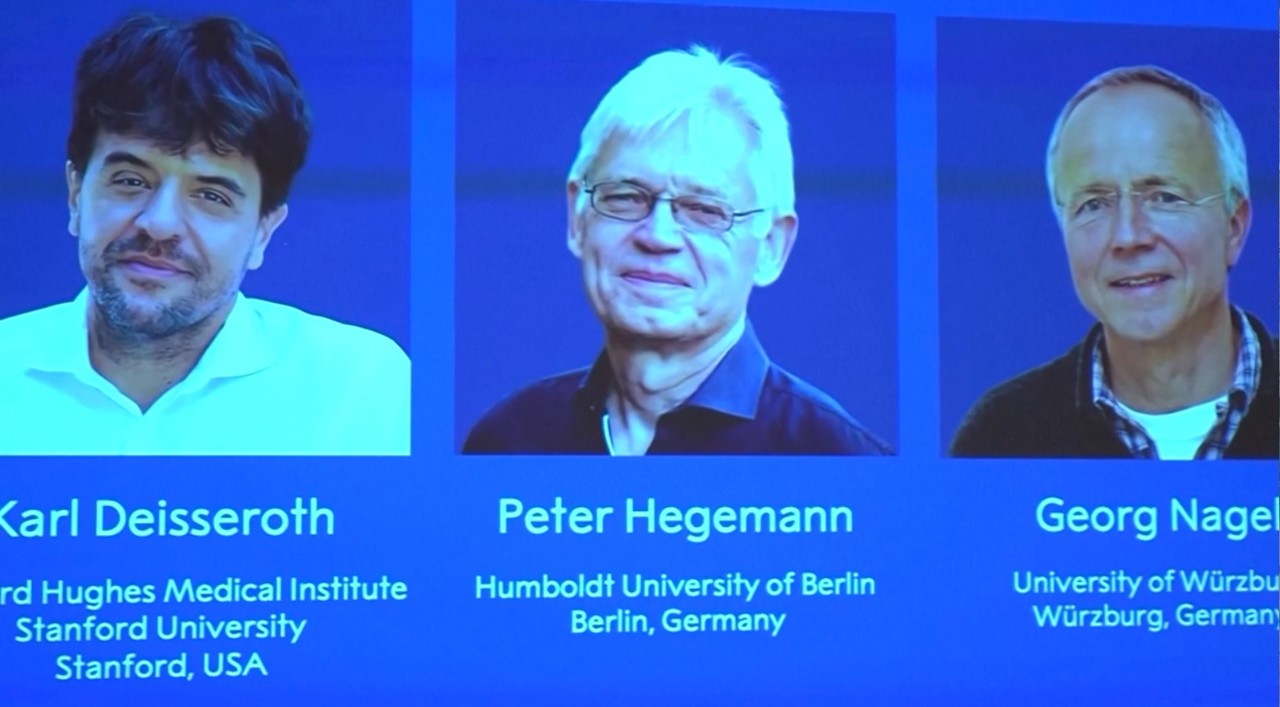
The 2026 Nobel Prize in Medicine went to three researchers for optogenetics
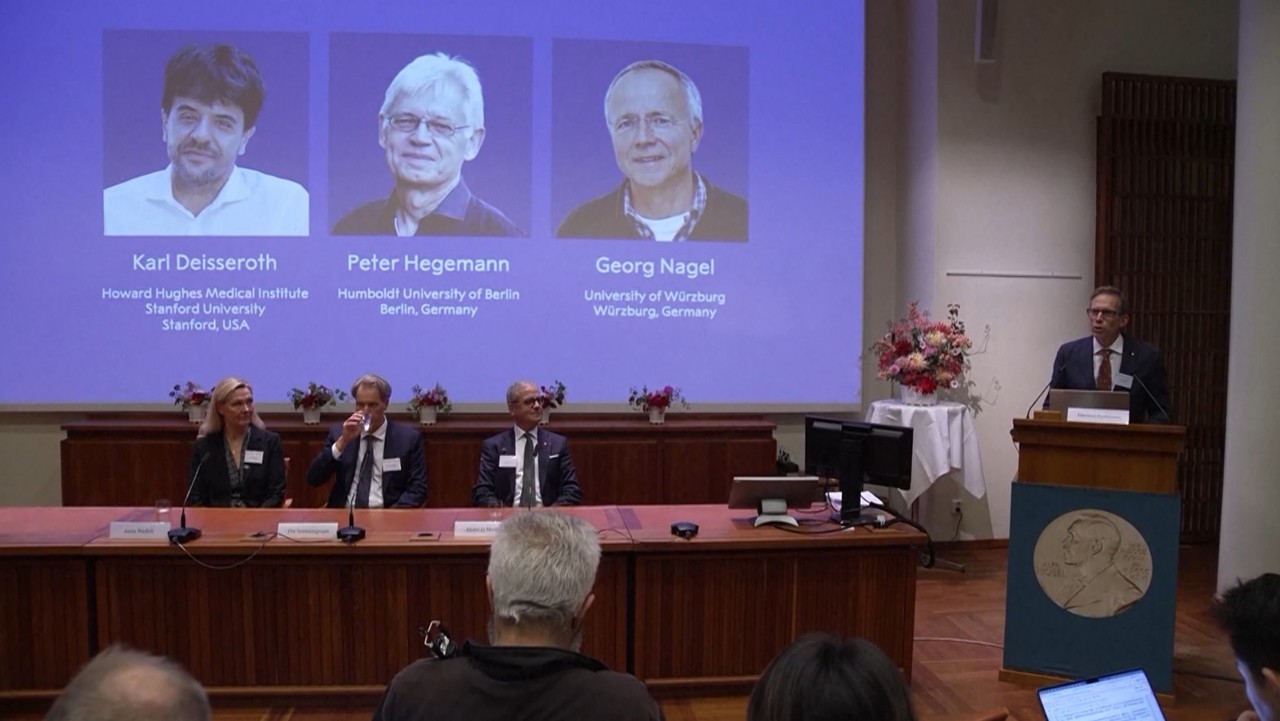
Nobel Prize Week began with the awarding of the Prize in Medicine. The honour was awarded for developing technologies based on light-gated ion channels and for developing optogenetics. It recognizes three scientists who opened up new perspectives in neurobiology, providing tools to study nerve cell activity and the mechanisms involved in neurological and psychiatric diseases.
"The Nobel Assembly at Karolinska Institutet has decided to award the 2026 Nobel Prize in Physiology or Medicine jointly to Karl Deisseroth, Peter Hegemann, and Georg Nagel for their discoveries regarding light-activated ion channels and optogenetics," stated Thomas Perlmann, Secretary General of the Nobel Committee.
The scientists developed methods that allow light to be used to control the activity of individual cells, including neurons. Optogenetics enables researchers to selectively activate and deactivate specific groups of cells and observe how they affect the organism's behavior and functions. The laureates' discoveries are used in neurobiology and can aid in studying neurological and psychiatric diseases.
"This has also contributed to revealing how certain brain circuits are disrupted, with implications for conditions such as blindness, depression, addiction, and dementia. However, despite these extraordinary advances, the brain still holds countless mysteries, and there is much more to learn and discover," said Abel El Manira, a professor at Karolinska Institutet.
Nobel Week continues with the prizes for physics, chemistry, and literature. The Peace Prize will be announced on Friday, October 9, followed by the economics prize on October 12. The awards will be presented on December 10, the anniversary of the death of the prizes' founder, Alfred Nobel. They come with a $1.2 million cash prize, and the winners also receive 18-karat gold medals.