Moldova Security Forum 2026: Defense Minister states, "Moldova's security is Europe's security"
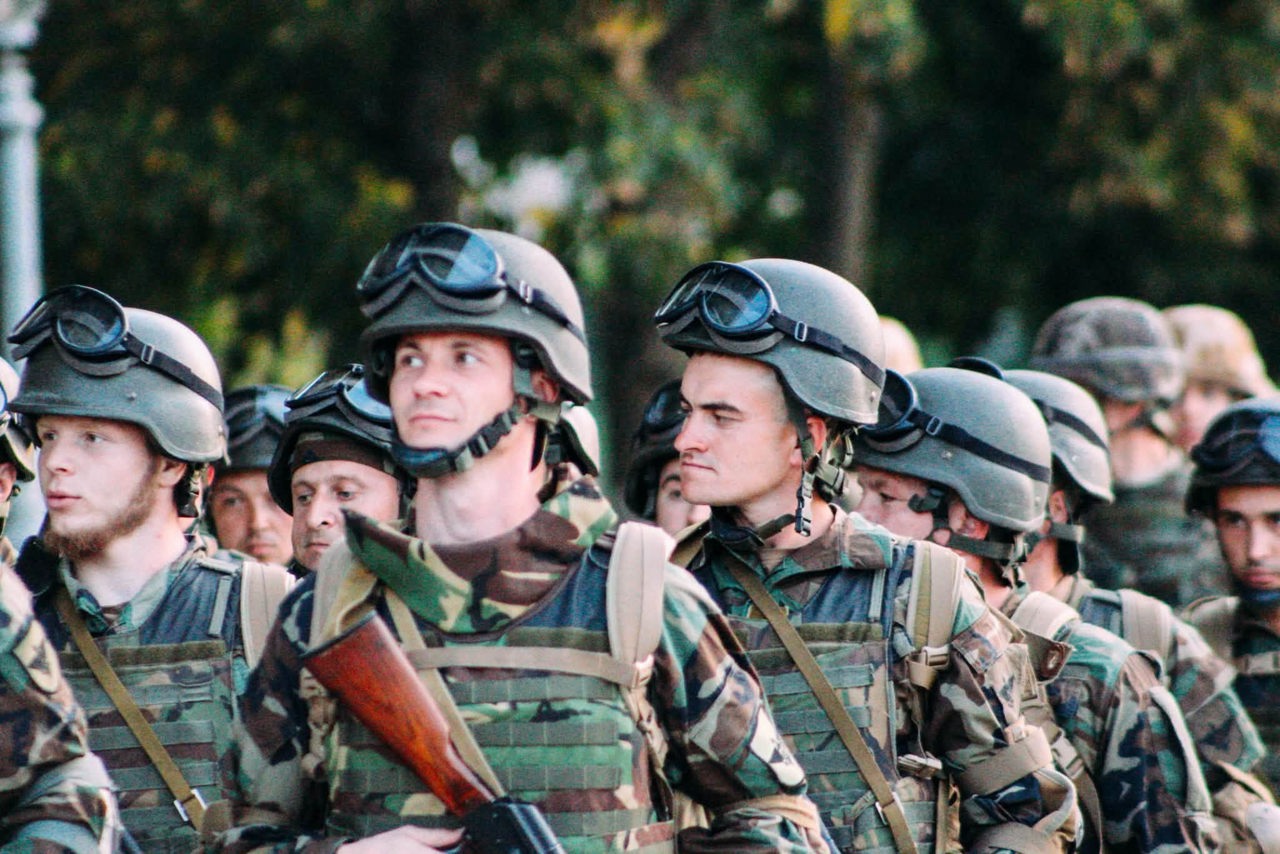
The Republic of Moldova has had to learn on the fly how to defend its security and respond to challenges under extremely difficult conditions, and the experience it has gained could prove useful to other states in the region, says Defense Minister Anatolie Nosatîi. The official notes that security issues are not a matter of a state's size and that the security of the Republic of Moldova extends to the wider Black Sea region, including the European Union.
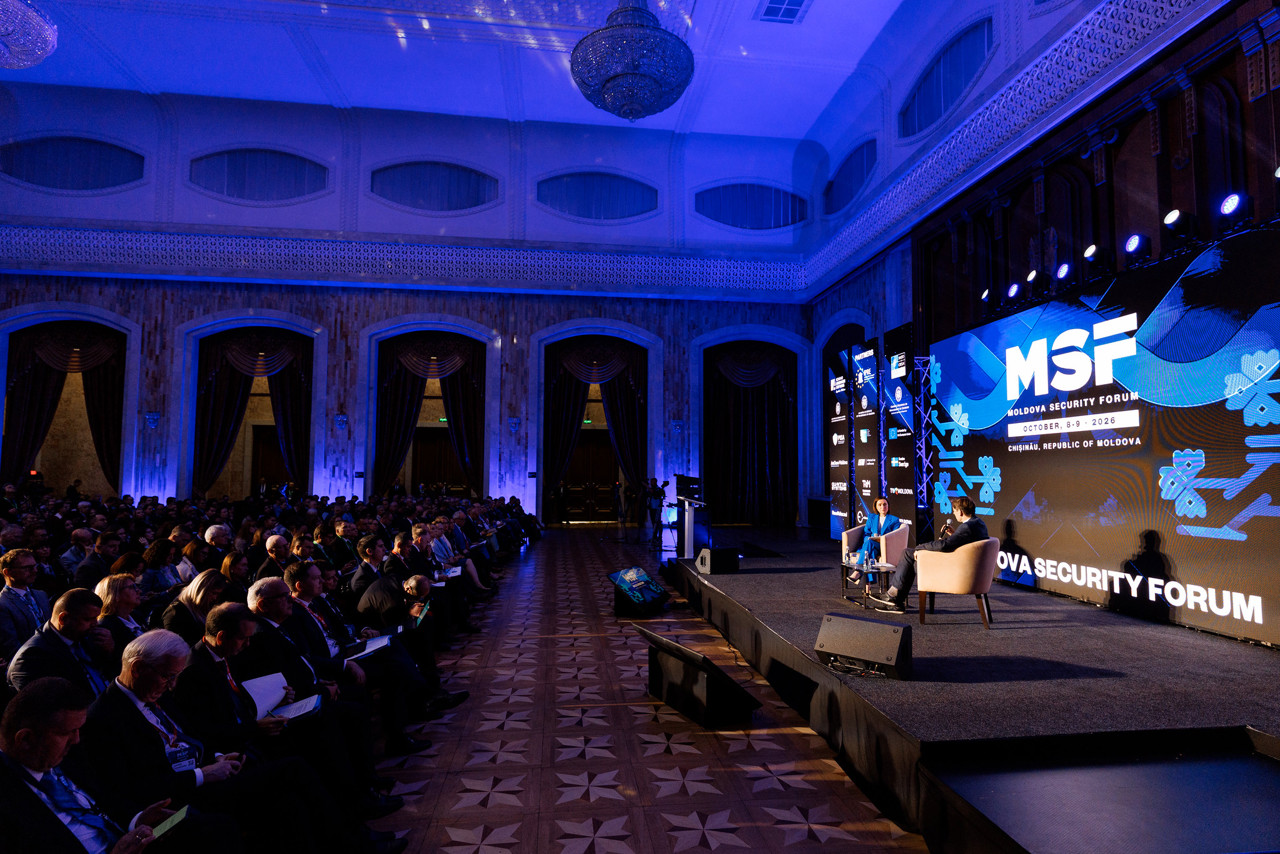
"Unfortunately, we had to learn as we went along, because since the pro-European government took office, we have faced numerous challenges across various sectors. This goes beyond military security; it concerns the security of the state as a whole. I am referring to the ability to withstand external interference, as well as energy security, economic security, and, of course, the security required to counter hybrid warfare," stated Nosatîi in an interview with the Platform for Security and Defense Initiatives (PISA), held in the context of the Moldova Security Forum 2026, taking place on October 8 and 9 in Chișinău.
The Republic of Moldova shares its longest border—1,212 kilometers—with Ukraine, a country at war; consequently, defending national airspace is a priority for the authorities in Chișinău, particularly given the deliberate attacks launched by the Russian Federation, the minister noted.
"Air defense involves a highly complex and costly set of measures that cannot be established overnight—especially at a time when it is a priority for nations at war, such as Ukraine, as well as for all neighboring countries," Anatolie Nosatîi emphasized.
Cooperation with strategic partners is becoming a priority in managing the risks and threats stemming from the region's tense situation. The Republic of Moldova has expanded the number of countries with which it collaborates, including in the military sphere. "We cannot face the challenges and threats confronting us—or implement the modernization and transformation goals set for the National Army within an ambitious, very tight timeframe—on our own, because we lack the time to carry this out in the manner prescribed by military doctrine," the Minister of Defence explained.
Regarding the participation of Moldovan troops in international missions, Anatolie Nosatîi said this clearly proves the national military institution's maturity and demonstrates its interoperability with partners.
"We have examples of participation in virtually the most important missions, such as those of the United Nations—like UNIFIL (United Nations Interim Force in Lebanon)—European Union-led missions in Bosnia and Herzegovina (EUFOR ALTHEA), and, of course, the operation in Kosovo (KFOR), where we have maintained a presence for thirteen years," Nosatîi noted.
When asked which topics at this year's Moldova Security Forum deserved special attention from partners, the Minister said security is being addressed not merely through the lens of military security but in a broader context; he also welcomed the diversity of subjects discussed by the event's participants.
"Security means far more than just one institution or another; it entails the participation of partners and society, as well as a shared approach serving our primary interest: maintaining peace and security while ensuring a prosperous future for our country and the region," the official concluded. The Moldova Security Forum is an international dialogue platform dedicated to security challenges facing the Republic of Moldova, the Black Sea region, and Europe; it is organized by the Institute for European Policies and Reforms (IPRE) with the support of over 40 partners from the Republic of Moldova, the European Union, and the United States.
The third edition, held this year, brings together nearly 100 speakers from more than 20 countries. The agenda includes discussions on hybrid threats, the war in Ukraine, regional security, drone defense, and democratic resilience. This year's theme reflects how the Republic of Moldova contributes to both its own and regional security by strengthening democracy.