Marcos Perestrello on Moldova 1 TV: "We are enhancing defense capabilities against drone and hybrid attacks"
Repeated Russian drone incursions and regional security risks necessitate heightened vigilance and the accelerated strengthening of defense capabilities, and Ukraine must be supported so it can negotiate from a position of strength. Marcos Perestrello, President of the NATO Parliamentary Assembly and Vice-President of the Portuguese Parliament, warned that Moscow seeks to undermine the cohesion of allied and partner nations through hybrid attacks and pressure on energy infrastructure; therefore, Europe’s response must be grounded in unity.
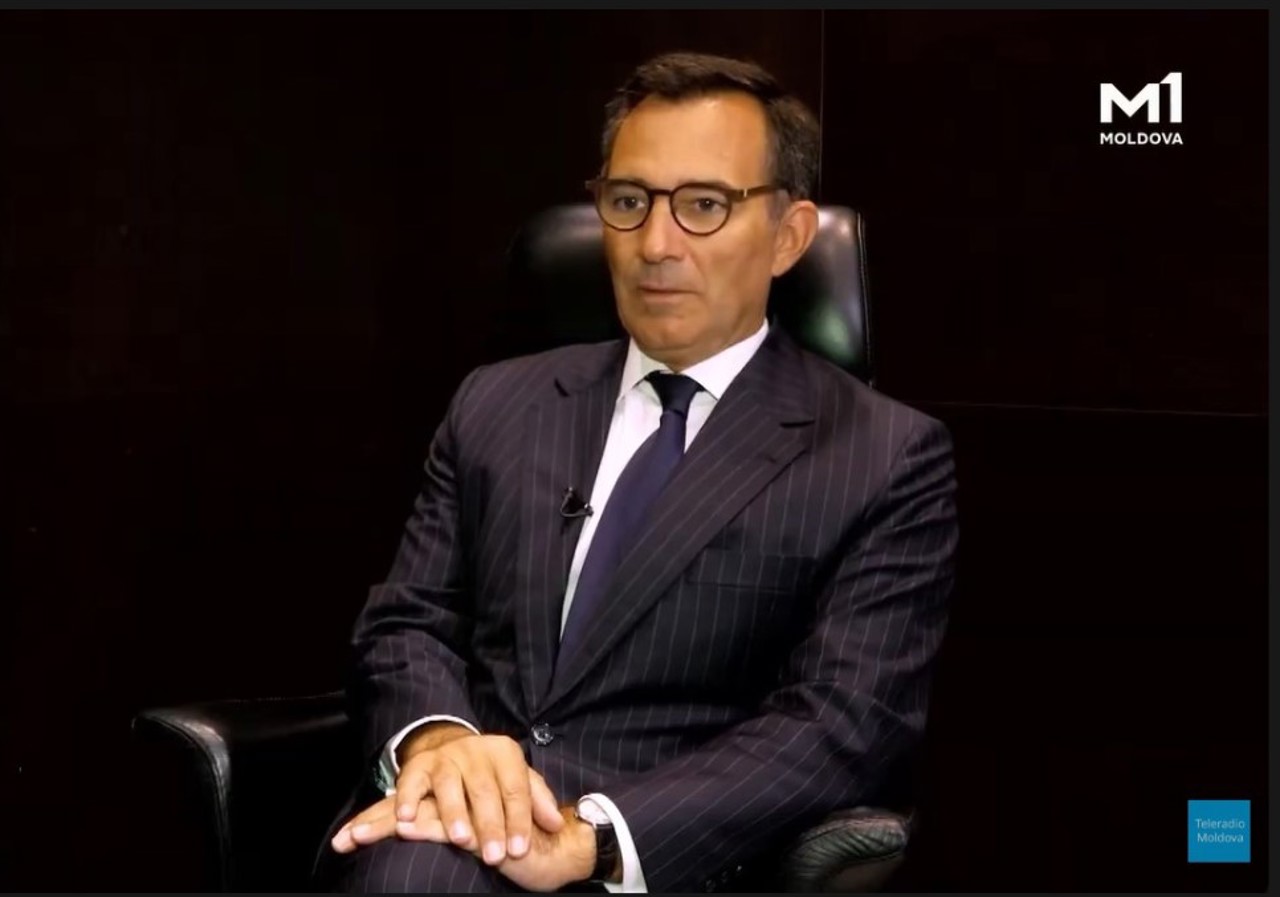
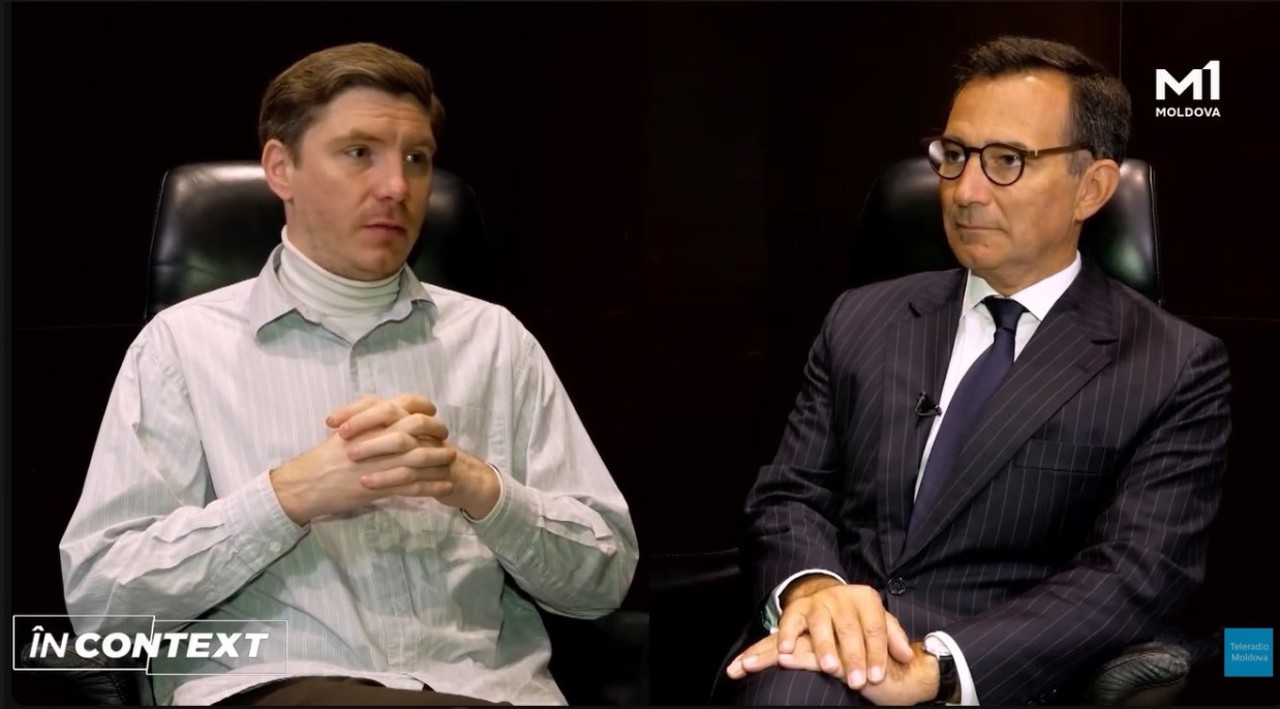
"The appropriate response to these hybrid and drone attacks must take this into account. Our strength lies in our cohesion. Therefore, when formulating a response, we must keep this clearly in mind. We must also be fully aware of the need for the entire alliance to strengthen its air defense capabilities. We need to reinforce them. We have already shot down some of these drones, and we must be prepared to shoot them down when they come again," stated Marcos Perestrello in an exclusive interview with Moldova 1 during the security-focused week in Chișinău.
Regarding the Russian military presence in the Transnistrian region, the NATO official reaffirmed the Alliance's position on the withdrawal of illegal Russian troops: "For many years, NATO has held a clear position regarding the unauthorized presence of Russian forces in both Transnistrian region and Georgia. NATO has repeatedly called on Russia to withdraw from these territories, which it occupies against the will of the legitimate authorities," Perestrello explained.
Furthermore, the President of the NATO Parliamentary Assembly believes that "Ukraine must establish its own framework for peace negotiations" and that "the Alliance's primary concern must be to help Ukraine become stronger." "Our concern, as an alliance, is to create the conditions for Ukraine to be strong at the negotiating table. To negotiate from a position of strength, Ukraine must be strong on the battlefield and able to defend itself. It is now even capable of striking deep within Russian territory. The more we can help it become strong, the better the conditions it will have to secure a good, equitable solution to this war," said Marcos Perestrello.
Looking ahead to winter, the NATO official believes that energy security must be treated as part of regional security, given that Russia has used this instrument of pressure since the start of its full-scale invasion of Ukraine.
"Russia is illegally using energy as a weapon, and this affects not only Ukraine but also neighbouring countries, European nations not involved in the war, and the Republic of Moldova. We must strengthen the resilience of the energy grid and develop alternatives. (...) This is one of the main challenges we face this winter and have faced in previous winters. NATO's development of new tools to protect undersea cables and infrastructure demonstrates the Alliance's firm commitment to safeguarding energy networks. Attacking them is a crucial part of Russia's strategy against its neighbor," explained Marcos Perestrello.
The President of the NATO Parliamentary Assembly maintains that the security of the Republic of Moldova cannot be separated from the security of other European states. Although Portugal is one of the NATO countries geographically furthest from the war zone, it is already feeling the consequences of the conflict in Ukraine.
"We were a founding member of NATO in 1949. And we were a founding member because, at the time—even though we were not a democracy—we viewed European security as a whole. It is indivisible. Even in the case of the war in Ukraine—Lisbon is the European capital furthest from Kyiv, yet the effects of the war were felt immediately. For instance, regarding energy prices and disruptions to production chains. The crisis initially caused by the interruption of grain supplies impacted the cost of living for people. Therefore, we must view Europe and regional security as a whole, even though we are the capital furthest from this conflict zone. We, too, felt the need for European cohesion in responding to security challenges," concluded Marcos Perestrello.