Moldova PM calls 14C heating remark a poor choice
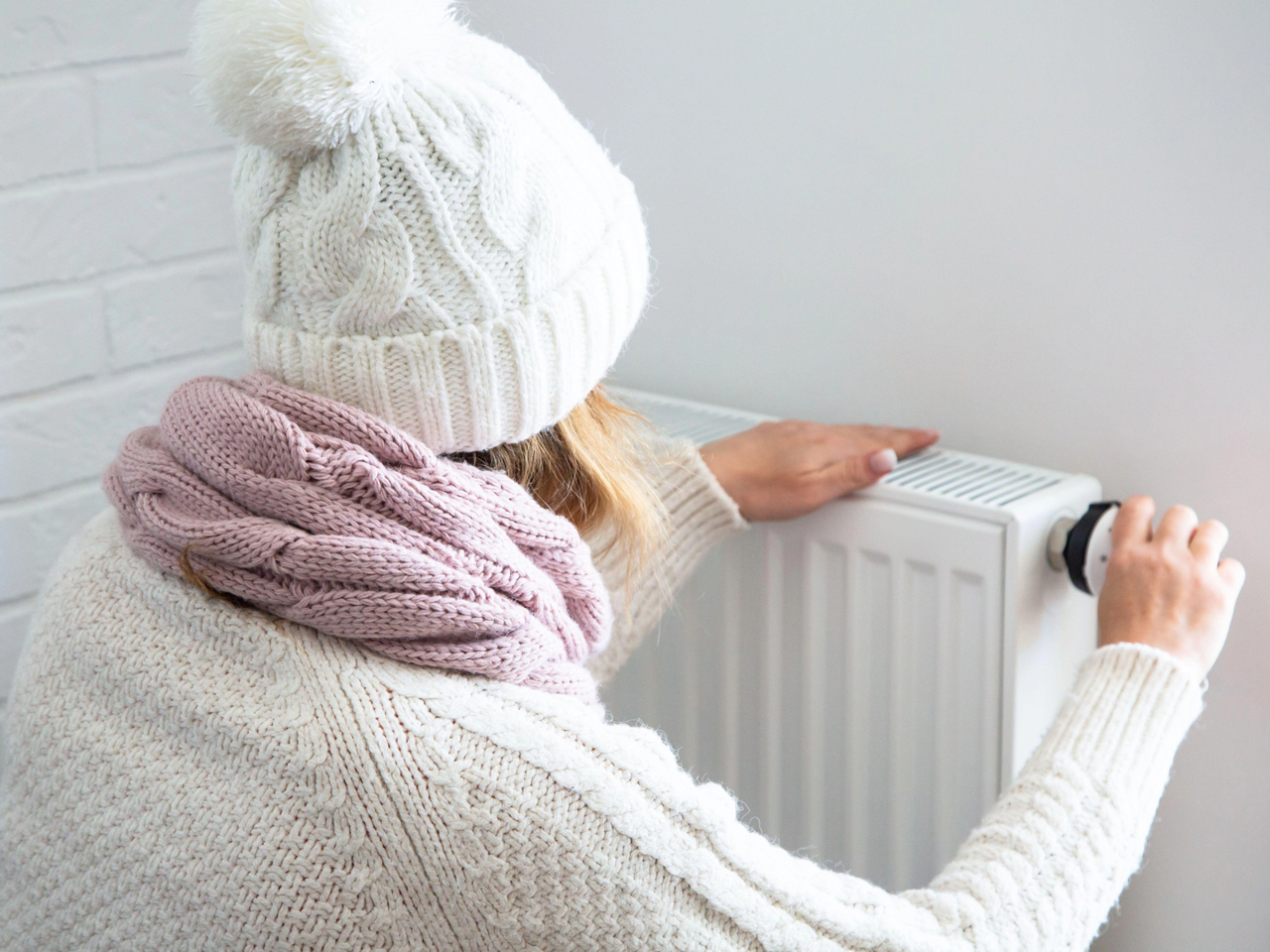
Moldovan Prime Minister Vasile Tofan has criticised a minister’s remarks about living in 14C homes, arguing that outdated district heating systems prevent many households from controlling their energy consumption.
Outdated heating systems limit household control
Tofan described Agriculture and Food Industry Minister Eugeniu Osmochescu’s comments about living in homes heated to 14 degrees Celsius as “a poor choice of words.” Speaking on Cinema 1 television, the prime minister said energy conservation was important but argued that the state also needed to modernise heating infrastructure.
“I know he lived abroad for a long time, and I also know what that is like, having lived in the Netherlands. You stay at 14 degrees, but you go to bed wearing a thick sweater, and the house is still cold,” Tofan said.
He recalled spending the previous winter in Kyiv, where Russian attacks disrupted normal living conditions and left people dealing with lower indoor temperatures.
Tofan said Moldova should adopt more energy-conscious habits common in European countries. However, he stressed that households connected to district heating cannot always reduce consumption as easily as those with individual gas heating.
“If you have gas, you can turn it down and save energy. People who have district heating do not have that option,” he said.
Modernisation aims to give households more control
The prime minister blamed the problem on an outdated heating distribution system that can leave some apartments overheated while others remain too cold.
Under the existing vertical-pipe arrangement, heating providers must supply enough heat to reach apartments throughout a building. This can result in uneven temperatures between floors, making it difficult for residents to manage their consumption.
Tofan said the solution was to move towards horizontal heat distribution, allowing individual apartments to regulate their heating more effectively. He added that hundreds of buildings had already been converted, although substantial work remained.
More than 2,000 apartment blocks in Chisinau and Balti are expected to undergo heating-system modernisation, including the installation of individual meters so residents can pay according to their actual consumption.
In September, parliament passed two bills at first reading to classify the works as matters of national public interest. The proposed legislation would allow essential work in shared building spaces to proceed without obtaining the individual consent of every apartment owner.
Residents must be notified at least 10 days before work begins. Access to their properties would be limited to the interventions required for the modernisation programme.
For work inside apartments, the Energy Ministry is preparing a voucher scheme under which residents would be able to choose their own contractors.
Pilot project reports energy savings of up to 30%
State Secretary at the Energy Ministry Vitalie Mîța said 15 buildings included in a pilot project in Balti had reduced their heat consumption by between 10% and 30%.
The modernisation could also lower monthly charges associated with shared vertical heating pipes. Some homeowners currently pay more than 1,000 MDL (approximately €50) a month for these costs, while the contribution after modernisation is expected to fall to no more than 200 MDL (approximately €10).
In Chisinau, the Casa Caldă programme, part of the Optimisation of the Centralised District Heating System (OSACET) project, has a budget of approximately €326 million (around 6.53 billion MDL).
The programme предусматриes 2,510 individual heating substations and the conversion of 1,665 apartment blocks to horizontal heat distribution.
In Balti, the second phase of the CET-Nord heating-system modernisation project includes upgrades to heating networks, installations and building-level distribution systems.
The works are scheduled for completion by 2032, with the first interventions inside apartments expected to begin next year. The projects receive external financing, including support from the European Bank for Reconstruction and Development.
Debate over energy compensation
The dispute follows comments Osmochescu made on October 5 during an interview on Radio Moldova. The minister described people who could afford their energy bills but still requested state compensation as “hypocrites.”
He urged households to conserve energy and suggested lowering indoor temperatures to 16–18 degrees Celsius overnight.
“I have also lived at 14 degrees when I was abroad,” Osmochescu said during the programme La 360 de grade.
The government is also reviewing the budget and eligibility rules for energy compensation during the cold season.
The state budget allocates 550 million MDL (approximately €27.5 million) for compensation payments this year. Finance Minister Victoria Belous has estimated that the total budget for the heating season could reach between 2.5 billion and 3.2 billion MDL (approximately €124.9 million to €159.9 million).
Labour and Social Protection Minister Natalia Plugaru has said the authorities are considering checks on declared income, property ownership, bank accounts, social benefits and other information available in government databases.
Car ownership could also be considered, although Plugaru said owning a car would not automatically disqualify an applicant. Authorities may instead examine the number of vehicles owned and their age.
The government aims to maintain the compensation programme at least at the previous season’s level, when around 620,000 households received monthly payments ranging from 500 to 1,000 MDL (approximately €25 to €50).
During the previous cold season, the government spent nearly 2.4 billion MDL on energy compensation.
Translation by Iurie Tataru
RELATED COVERAGE