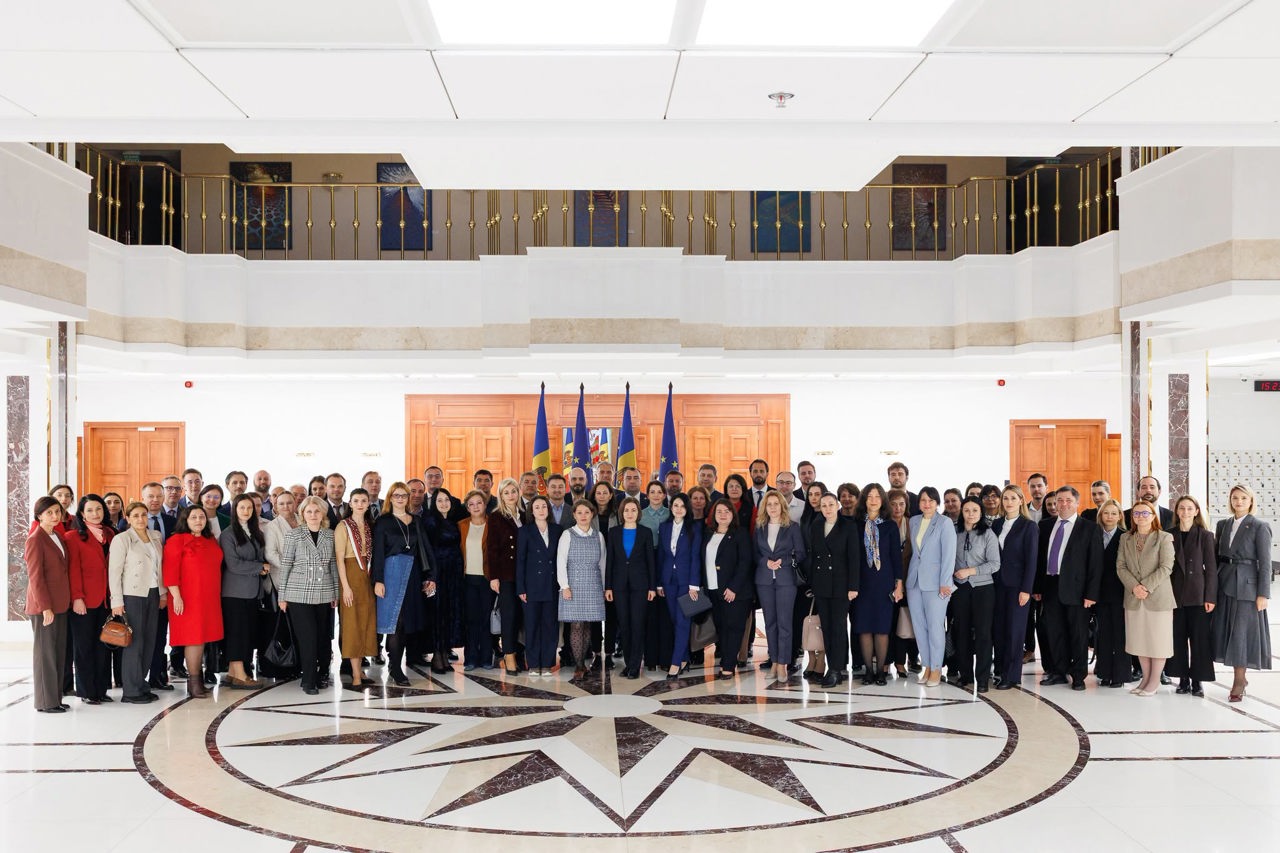
EXCLUSIVE | Moldova aims to join the EU by 2030, says Dan Barna
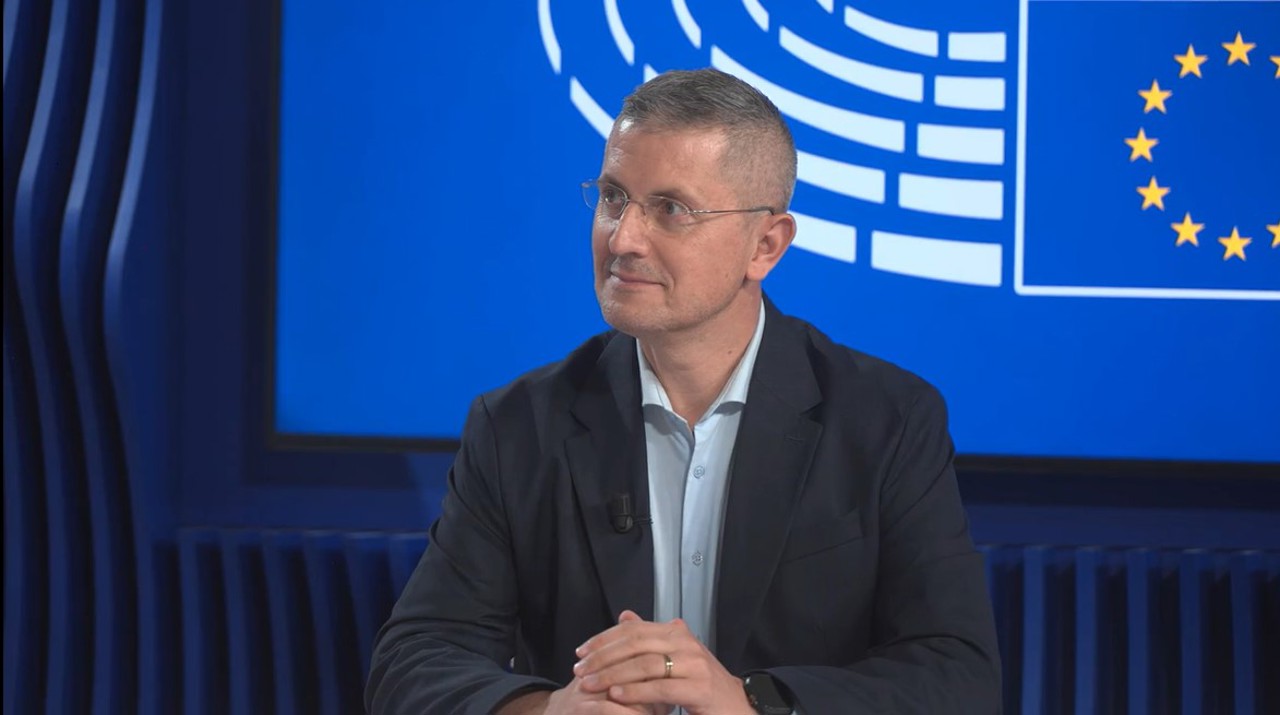
The Republic of Moldova's accession process to the European Union is entering a decisive phase, with the prospect of concluding negotiations in 2028 and signing the treaty in 2030. According to Romanian MEP Dan Barna, Moldova is among the most advanced candidate countries, benefiting from renewed momentum from Brussels, which views enlargement through the lens of European security and geopolitical pressures.
With 24 of the 33 chapters of the EU acquis now open, the Republic of Moldova is solidifying its position at the forefront of states seeking European integration.
The timeline put forward by President Maia Sandu—concluding negotiations in 2028 and acceding to the EU in 2030—is viewed as realistic in Brussels. MEP Dan Barna stated that he discussed this roadmap in Strasbourg with the European Commissioner for Enlargement, Marta Kos.
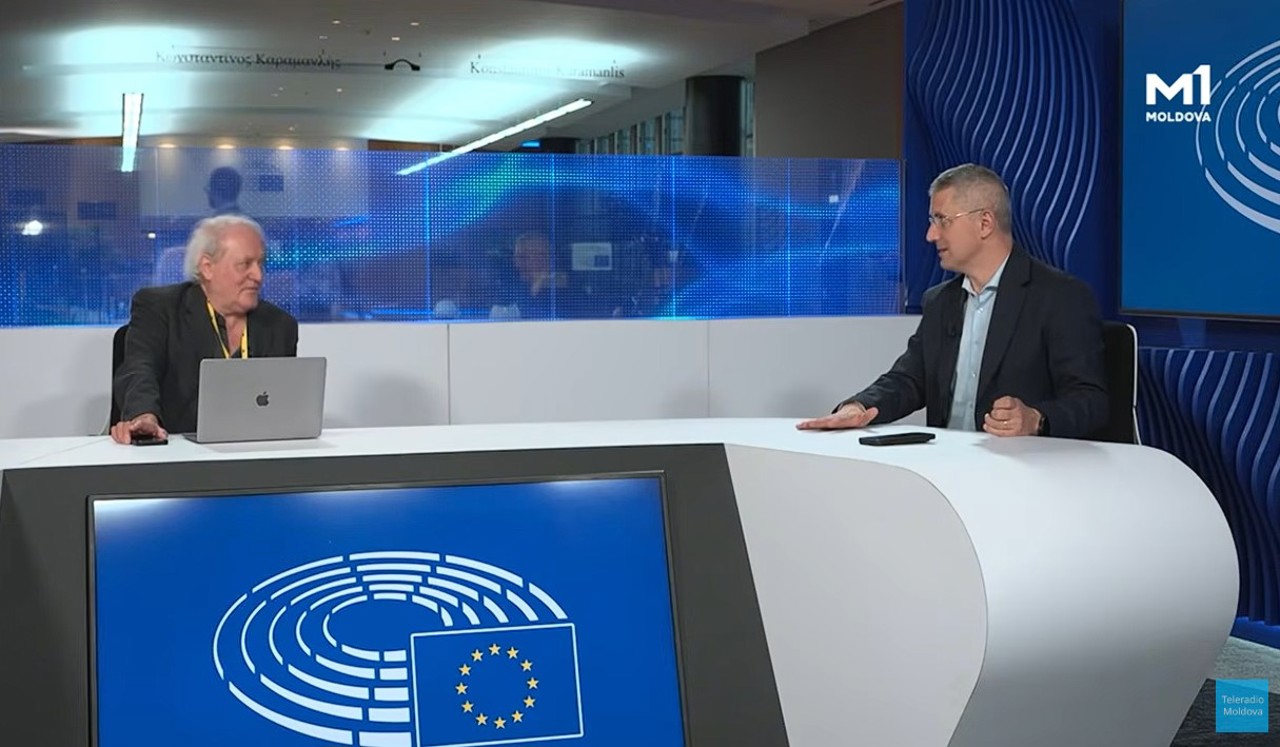
"I asked her whether the plan proposed by Maia Sandu—concluding negotiations by 2028 and signing the treaty by 2030—remains realistic; the Commissioner said she hopes it will become a reality and noted that, regarding technical stages, the Republic of Moldova is currently on track to meet this schedule. Therefore, a 2030 outlook is one I consider entirely realistic," Dan Barna stated in an interview in the show „În Context”.
The opening of new negotiation clusters must be understood within the context of a shift in the European approach, where enlargement is no longer viewed merely as a technical process but also as a strategic tool for strengthening continental security.
"It is important to explain the context behind the opening of these clusters, as they stem from the enlargement strategy presented by Marta Kos to the Commission a week and a half ago. She brings a fresh, new vision, given that enlargement policy had been quite rigid for many years. Currently, because of the war in Ukraine and the geopolitical pressures facing Europe, the Union must strengthen itself. Thus, enlargement policy is viewed directly as a component of Europe's security policy," the Romanian MEP explained on public television.
In his view, the lack of a clear European perspective for the Union's neighboring states could create significant vulnerabilities that Russia could exploit, particularly in the Western Balkans and Ukraine:
"In that scenario, we could find ourselves facing a Russia that is pressuring the European Union along a large part of its eastern and southern flanks," warned Dan Barna.
The MEP believes that candidate states' European aspirations strongly counter arguments that question the European Union's capacity to expand.
"It is very clear that the European Union's enlargement policy fosters resilience and strengthens European security. (...) It represents a region that has embraced the European path. Europe must demonstrate its capacity to expand and grow. (...) When you have states wishing to join the European Union—states driven by civic enthusiasm and young people eager to be part of the EU—this stands as the strongest proof that the European project is alive and thriving," Dan Barna said.
The new European strategy provides candidate states with roadmaps featuring concrete objectives and timelines.
"From this perspective, the work being done by Marta Kos, the Commissioner for Enlargement, is giving fresh momentum to the enlargement process. This strategy introduces very clear elements: roadmaps tailored to each state. The frontrunners—those currently best prepared—are Montenegro, Albania, the Republic of Moldova, and Ukraine. I would say Moldova is actually ahead of Albania, while Montenegro is clearly the most prepared," the MEP noted.
These roadmaps are intended to provide both authorities and citizens with a clearer picture of the progress achieved and the reforms required. For the Republic of Moldova, a predictable timeline also serves as a direct incentive to continue the transformation process. “The four countries are the most prepared. They are now receiving a roadmap that clearly outlines what has been accomplished, what lies ahead, and the timeline involved. View the opening of the negotiation clusters in this context. (...) Through all these steps, the citizens of these states—Moldovan citizens, in our discussion—can see the tangible benefits of European Union membership. At the same time, it serves as an incentive for the government in Chișinău to press ahead with reforms, given the clear outlook”, noted Dan Barna.
The MEP also highlighted the pro-European energy within Moldovan society—particularly among the youth—viewing it as a crucial factor for integration:
“Moldova is where Romania was in the 2000s. (...) Young Moldovans are now looking toward Europe with hope, and this is an energy that, I trust, will bring the Republic of Moldova into the European Union,” concluded the Romanian MEP.
We remind you that the Republic of Moldova will open negotiations on the evening of Tuesday, October 13, on Cluster 2 (Internal Market: labour, recognition of qualifications, and trade) and Cluster 3 (Competitiveness and Inclusive Growth: digitalisation, research, and taxation).
Negotiations will open during the fourth Republic of Moldova–European Union Intergovernmental Conference in Luxembourg.
On June 15, the Republic of Moldova launched negotiations for Cluster 1 (Fundamental Values), followed by Cluster 6 (External Relations) on July 14.
Consequently, the Republic of Moldova is now negotiating 24 of the 33 chapters involved in the European Union accession process.
Chisinau authorities previously said they would open negotiations on the remaining two clusters by the end of the current year.