Venice Commission warns Moldova against stripping absent MPs of seats
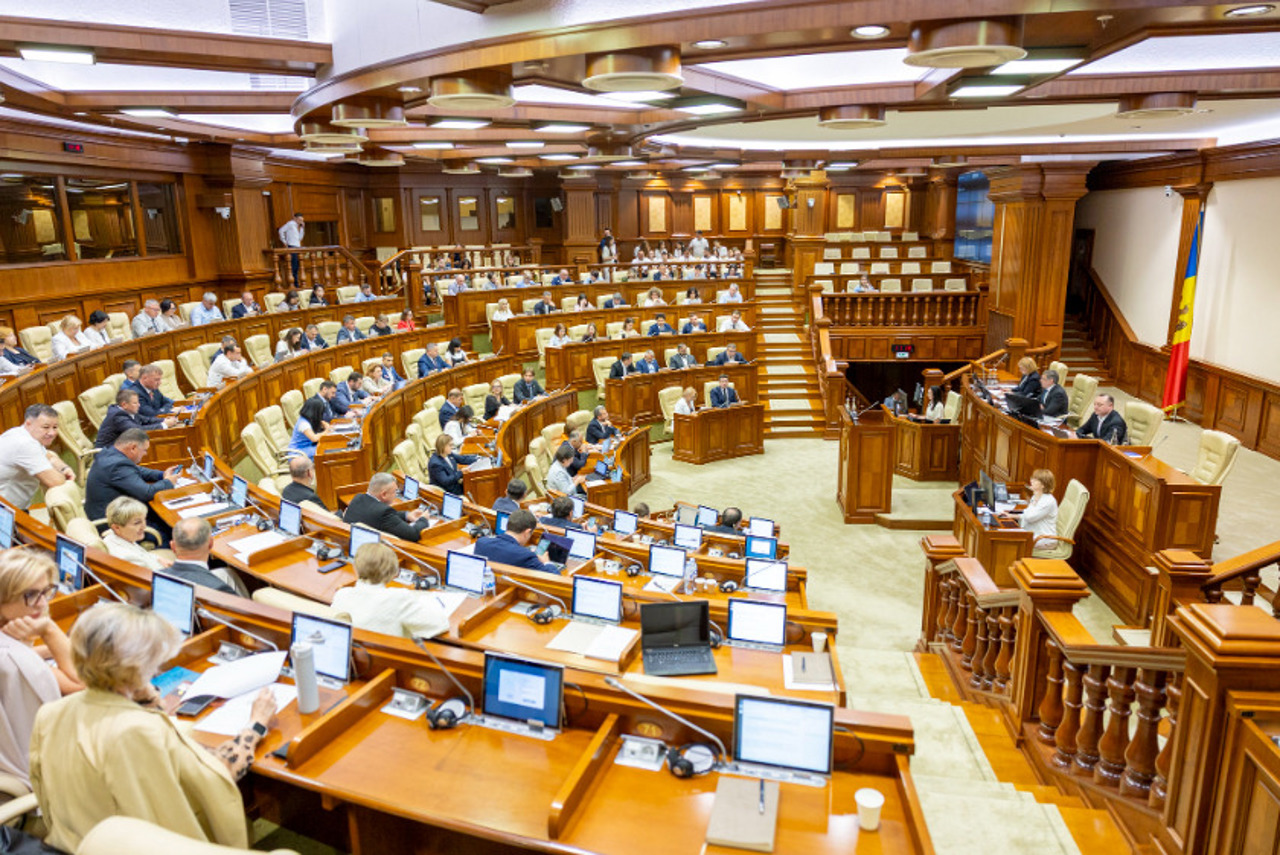
The Venice Commission urged Moldovan lawmakers to drop proposed rules that would automatically strip deputies of their mandates for refusing the oath of office or accumulating prolonged unexcused absences.
European constitutional experts stated that automatic mandate revocation is disproportionate and potentially unconstitutional. Under the Moldovan Constitution, parliamentary mandates take full legal effect upon validation by the Constitutional Court, creating no constitutional basis to vacate a seat over the oath.
The advisory body emphasized that automatic disqualification risks violating the right to free elections under the European Convention on Human Rights. Experts recommended proportionate alternatives, such as suspending financial allowances until an MP takes the oath, coupled with explicit procedural safeguards.
Guarantees against political abuse
The Strasbourg-based body also criticized rules imposing mandate termination for unexcused absences exceeding four consecutive months. While recognizing absenteeism concerns, the Commission noted that political work extends beyond plenary attendance, making disciplinary salary deductions a sufficient remedy.
Furthermore, legal experts argued that stripping mandates over criminal convictions should remain restricted to grave offenses. A brief custodial sentence for a minor misdemeanor, such as five or ten days of detention, should never annul a democratically elected mandate.
To shield legislative minorities, the Commission called for a reinforced opposition role within the proposed Parliamentary Ethics and Conduct Committee. Important decisions must require a qualified majority rather than a simple vote, ensuring consensus and preventing ruling factions from weaponizing disciplinary tools.
Free speech and immunity protections
Constitutional rapporteurs also urged Moldova to expand non-liability protections for parliamentary opinions to statements delivered outside parliament halls, including appearances in broadcast media and public forums. This legal shield must also persist permanently after an MP’s tenure concludes.
Critically, the Commission recommended removing non-violent speech regarding regional autonomy or territorial claims from exceptions to legal immunity. Barring explicit incitement to violence or rebellion, the European Convention strictly protects political discourse, even when challenging state authorities.
Moldovan authorities should likewise introduce clear procedural criteria for lifting parliamentary immunity. The competent legislative committee should restrict its review to identifying risks of political persecution, rather than determining criminal guilt.
The draft Code on the Organization and Functioning of Parliament passed its second reading on August 24, 2026, and awaits a final third reading alongside the companion law governing the status and conduct of deputies.
Translation by Iurie Tataru
RELATED COVERAGE
- Venice Commission rapporteurs visit Chișinău to assess the new Parliament Code
- Moldova parliament pushes 23 EU reform bills in extraordinary session
- European Commission pushes Parliament to seek Venice Commission advice on vetting vote threshold
- Venice Commission assesses Moldova's crackdown on electoral corruption
- Moldova Parliament opens autumn term with EU laws and CIS exit