Moldova moves to curb breakaway region's business perks
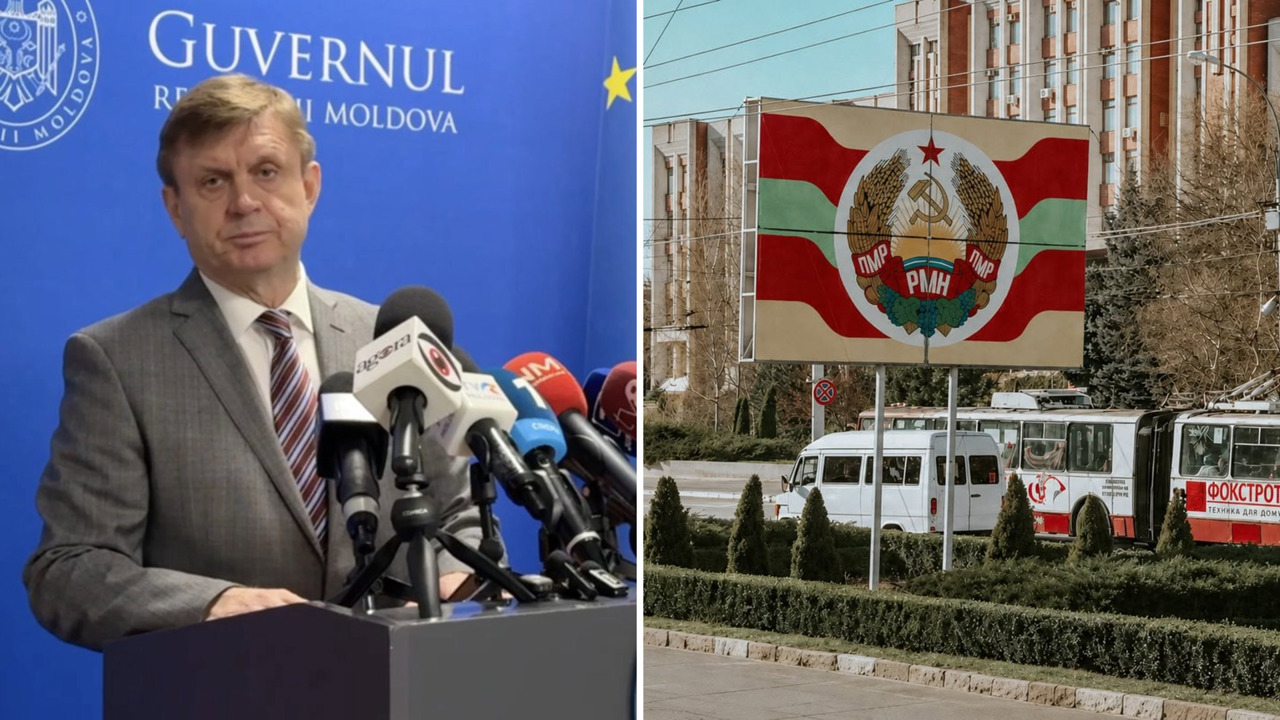
Moldova is tightening economic regulations on its breakaway Transnistrian region, aiming to dismantle the separatist administration's financial base and accelerate European integration, Deputy Prime Minister for Reintegration Valeriu Chiveri said.
The strategic shift involves phasing out long-standing tax privileges for firms operating on the left bank of the Dniester River and establishing a national convergence fund to finance community initiatives. Chisinau authorities view the economic levers as an overdue step toward fair competition, ending decades of asymmetric advantages granted to eastern businesses.
Dismantling Kremlin Influence
Chisinau currently restricts formal talks with Tiraspol to operational and social issues within the bilateral "1+1" framework, refusing broader political status negotiations until the separatist leadership recognizes Moldovan sovereignty.
"We are not having political negotiations in a proper sense at this moment, for the simple reason that the foundation of such talks is respect for sovereignty and territorial integrity," Chiveri said.
The deputy prime minister noted that the separatist administration operates as a political conduit for Moscow, leaving no room for genuine local dialogue. Russian military presence and economic leverage have sustained the frozen conflict for more than three decades to derail Moldova's pro-Western path, he added.
Curtailing oligarchic dominance
A central concern remains the economic hegemony of the Sheriff conglomerate, co-founded by local oligarch Victor Gușan, which holds near-monopoly control over local commerce, fuel imports, and retail. The pervasive reach of the conglomerate has led regional observers to dub the territory the "Sheriff Republic."
While the administration avoids abrupt actions that could spark unmanaged destabilization, officials are pursuing calculated economic measures to rein in unregulated capital flows. Chisinau phased in customs duties on luxury commodities imported into the eastern districts in September, with comprehensive fiscal alignment scheduled by 2030.
"When we erode the economic foundation of the regime, it will allow us to advance substantially in the reintegration process," Chiveri said, noting that convergence fund allocations will be anchored in the 2027 state budget.
Translation by Iurie Tataru
RELATED COVERAGE