Moldova secures the necessary volumes of natural gas
The Republic of Moldova is prepared for the 2026–2027 cold season, having secured the necessary volumes of natural gas, established supply routes, and replenished safety stocks. At the same time, lowering energy bills also depends on consumer behavior; individuals can reduce excessive consumption through simple measures and by taking advantage of energy efficiency programs.
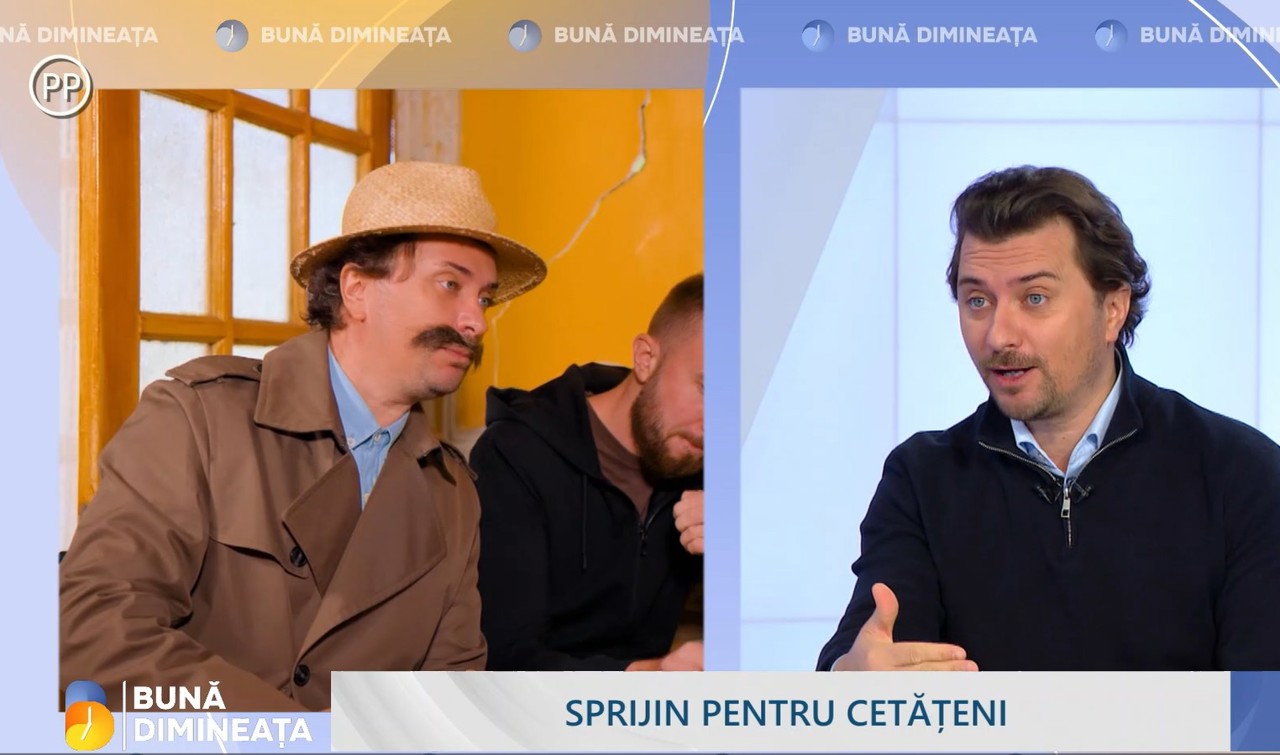
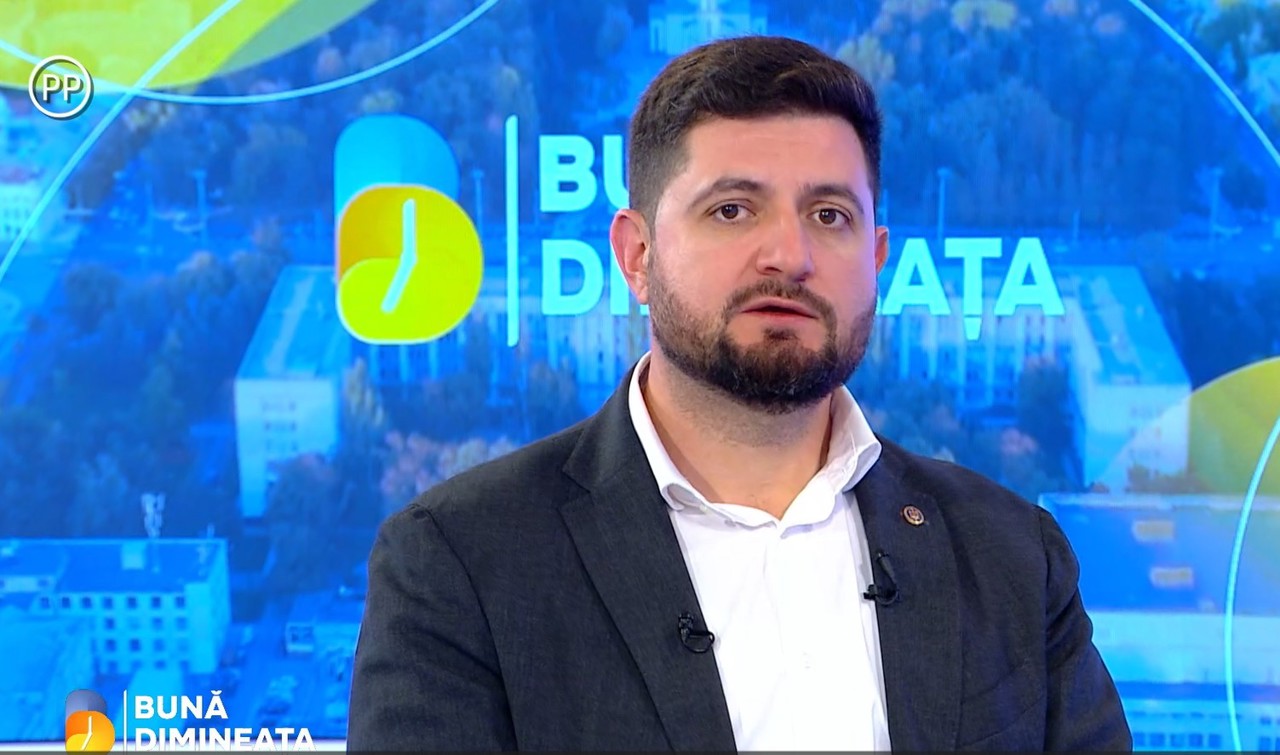
National-level preparations must be complemented by the responsibility of each individual household, emphasized Minister of Energy Dorin Junghietu during the show "Bună Dimineața" on Moldova 1.
While authorities are securing energy supplies and preparing the necessary infrastructure, citizens can also contribute by reducing consumption and avoiding waste.
"At the national level, we are holding the shield and filling up storage facilities, but the battle against the energy bill is won within each household," stated Dorin Junghietu.
According to the Minister, energy efficiency does not mean sacrificing comfort; it means using resources rationally.
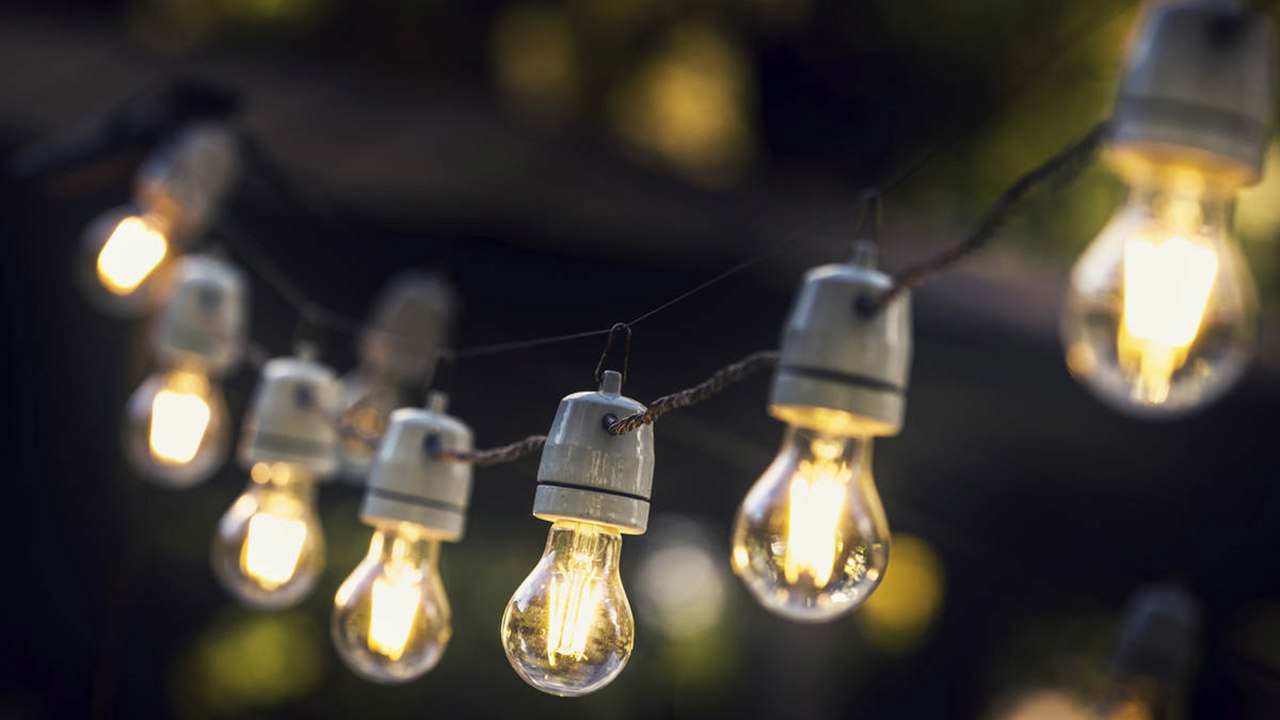
Recommended measures include turning off lights in unoccupied rooms and airing out one's home briefly—so walls and furniture don't cool down during the cold season.
Gas reserves stocked for the cold season
In late August, the Ministry of Energy approved a plan to prepare the energy sector for the 2026–2027 winter. According to Dorin Junghietu, the country has contracted natural gas volumes and established and secured supply routes.
In the electricity sector, bilateral contracts are in place, and interconnection lines with Romania—including additional 110 kV lines—have been tested.
"An additional 6.3 million cubic meters of gas have been placed into underground storage facilities in Romania. Consequently, we are very well prepared for this winter," the Minister affirmed.
Grants of up to 1.2 million lei for nZEB-standard homes
The authorities are also focusing on energy efficiency programs, which help citizens reduce both their energy consumption and their energy-related expenses.
One example is the EcoVoucher program, through which approximately 50,000 household appliances—including refrigerators and washing machines—have been replaced. According to the minister, replacing old equipment with more energy-efficient models reduces electricity consumption and, consequently, utility bills.
For apartment buildings, the Energy Efficiency Fund for the Residential Sector in Moldova (FEERM) offers grants to homeowners' associations that can cover 70% of the costs for eligible projects. These may include the thermal insulation of buildings, the replacement of windows in common areas, and the insulation of the building plinth and foundation.
Additionally, owners of individual houses can access the Casa Verde (Green Home) program, which supports the installation of photovoltaic panels, heat pumps, battery storage systems, and electric vehicle charging stations.
The minister noted that these programs are developed with the support of external partners, including Norway, Denmark, Germany, and the Netherlands.
Furthermore, the authorities are preparing a program to build passive houses and nZEB (nearly Zero-Energy Building) homes. "An nZEB house is a dwelling that has a near-zero consumption of external energy resources. Grants of 1.2 million lei will be awarded for passive houses, and 500,000 lei for nZEB houses," the minister added on Moldova 1 TV.
“Each of us can contribute to reducing our own utility bills”
The miniseries “Where Are We Losing Energy?” also promotes messages about energy conservation, which features a main character named Nea’ Valera, played by actor Valeriu Rașcu.
Over six episodes, the character finds ways to lower energy consumption and utility bills—including by visiting communities where energy-efficiency measures have already been implemented.
Speaking on Moldova 1, the actor shared that, as part of the project, he visited a kindergarten in Călărași built to "passive house" standards, as well as modernized apartment buildings and homes with thermal insulation. The experience showed him that concrete cost-cutting solutions exist, and that they need to be explained in accessible, easy-to-understand language.
Individual responsibility is essential—even when the savings gained from a single measure might seem insignificant, Valeriu Rașcu said.
“I’ve realized one thing: each of us can contribute to reducing our own utility bills. The state provides solutions, but it can’t put money in your pocket, turn off your lights, or close your window for you. Open the window for four or five minutes—the room gets aired out, but the heat stored in the walls and furniture isn’t lost. Furthermore, there are ‘energy vampires’—for instance, a charger left plugged into an outlet. The consumption is tiny, but if a million people leave such a device plugged in—along with many others—well, you can imagine the impact...” the actor pointed out. Valeriu Rașcu urged citizens to follow the official pages of the Ministry of Energy and the National Center for Sustainable Energy to stay informed about available programs and the conditions for accessing them.