Râbnița Metallurgical Plant lacks environmental permit; inspections are underway
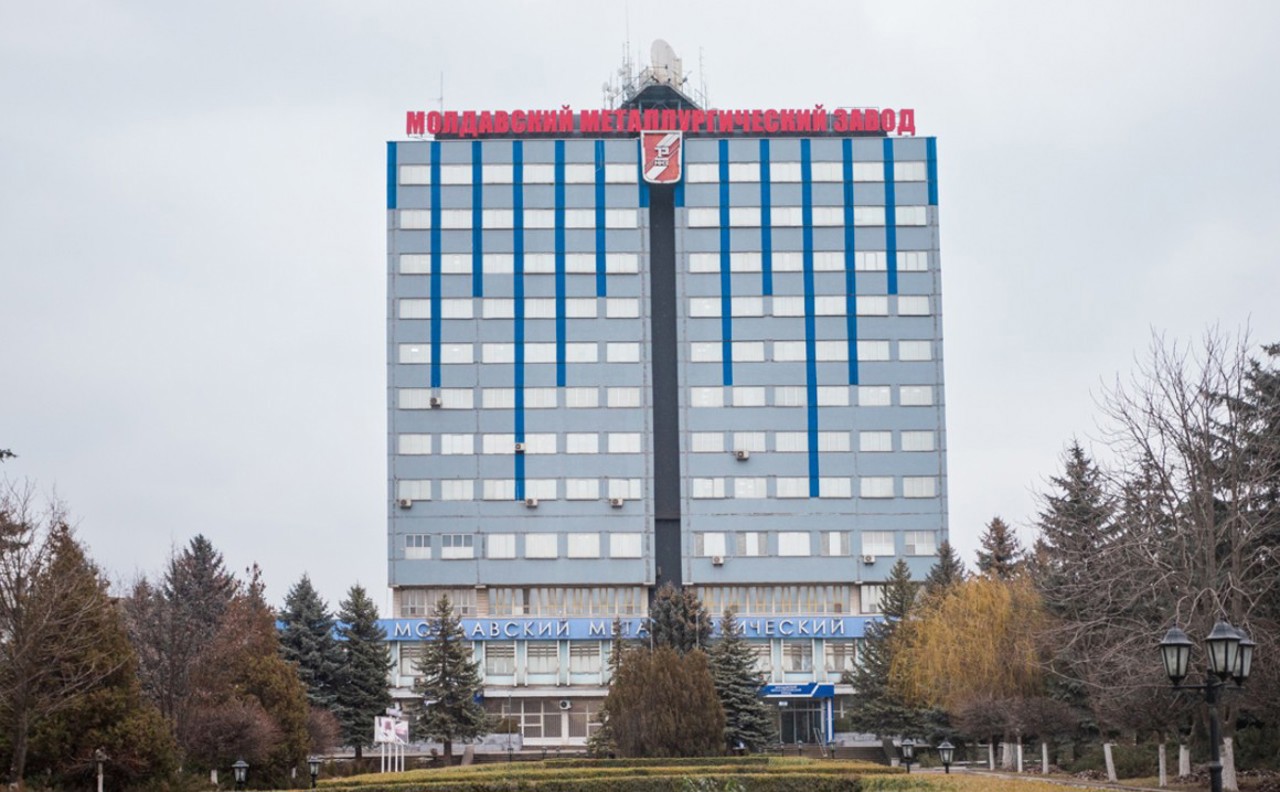
The Râbnița Metallurgical Plant is set to lose its environmental permit, as last year's document expires on Tuesday, October 20. Although the enterprise has applied for a new permit, it has not yet been issued. Until it receives the document, the plant will be unable to carry out import and export operations involving raw materials and waste.
Issuance of the document depends on the Environmental Protection Inspectorate completing its checks.
The plant did not request an extension of its existing authorization; instead, it applied for an integrated environmental permit, in accordance with new legislative provisions that came into effect in 2025. The procedure began last year, when the enterprise submitted a baseline report, which the Environmental Protection Inspectorate (IPM) subsequently forwarded for verification.
After an initial review, inspectors identified certain irregularities; the plant's representatives have since said they resolved them, Nicolae Belitei, Director of the Environmental Agency, told Teleradio-Moldova.
"The report was sent to the IPM; inspectors conducted an on-site verification and discovered some irregularities regarding the documentation. The plant's representatives later informed us that these had been addressed," Nicolae Belitei stated.
Subsequently, the Environmental Agency requested a follow-up inspection, but it has not yet received the inspectors' findings. Without the results of this assessment, the agency cannot determine whether the plant meets the requirements for obtaining the permit.
When contacted on Tuesday, October 20, the head of the Environmental Protection Inspectorate, Dorin Poverjuc, confirmed to Teleradio-Moldova that the checks are still underway and that there are no new results to report at this time.
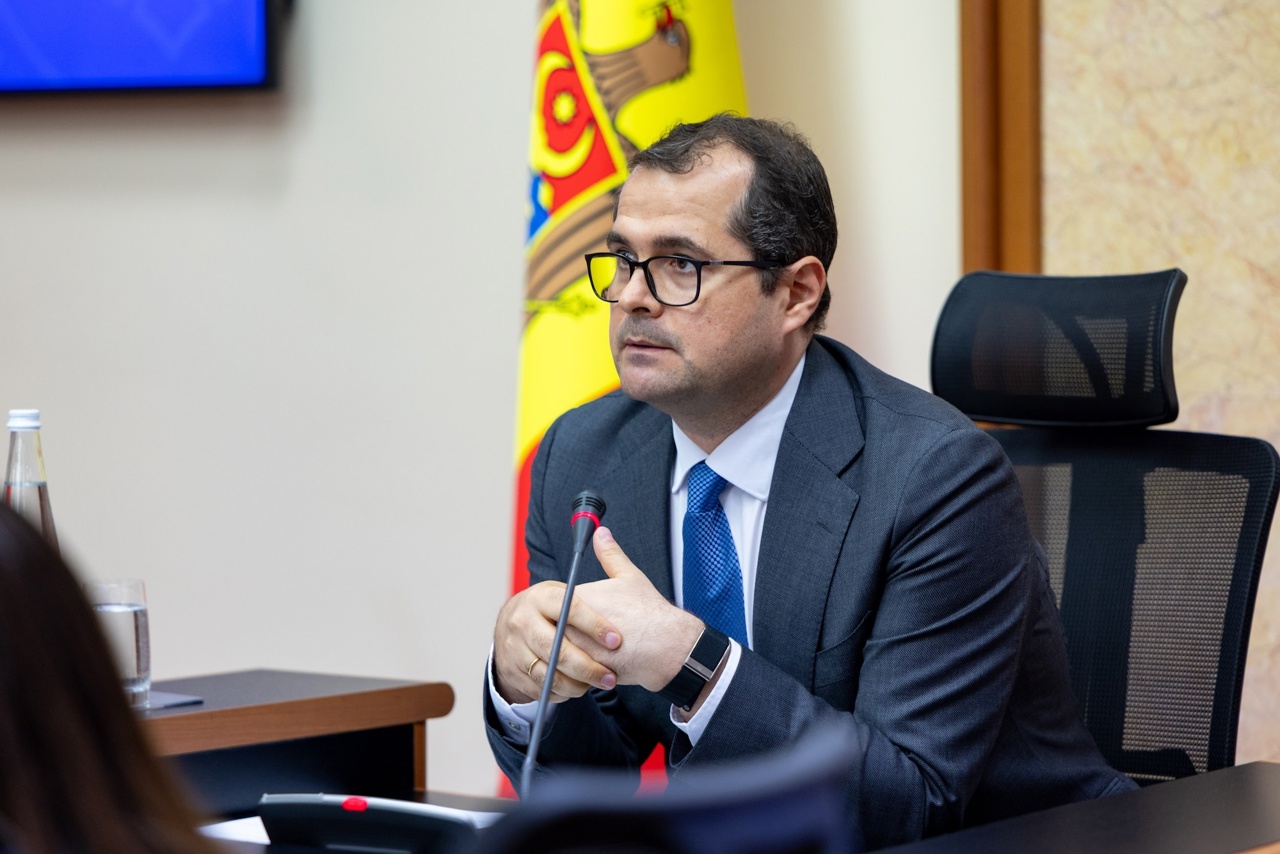
The lack of a valid environmental permit could block imports and exports of raw materials and waste for the Metallurgical Plant in Râbnița. Such operations can only be carried out between authorized economic operators, confirmed Minister of the Environment Gheorghe Hajder to Teleradio-Moldova.
"The most significant activity involves the export of waste and the import of raw materials. This can only take place between two authorized economic operators; if the plant lacks the necessary authorization, these operations will certainly be blocked," the Minister of the Environment stated.
To issue the new document, inspectors must verify that the information in the reference report matches the situation on the ground. Ultimately, the Inspectorate will inform the Environmental Agency whether the report is acceptable, requires corrections, or should be rejected.
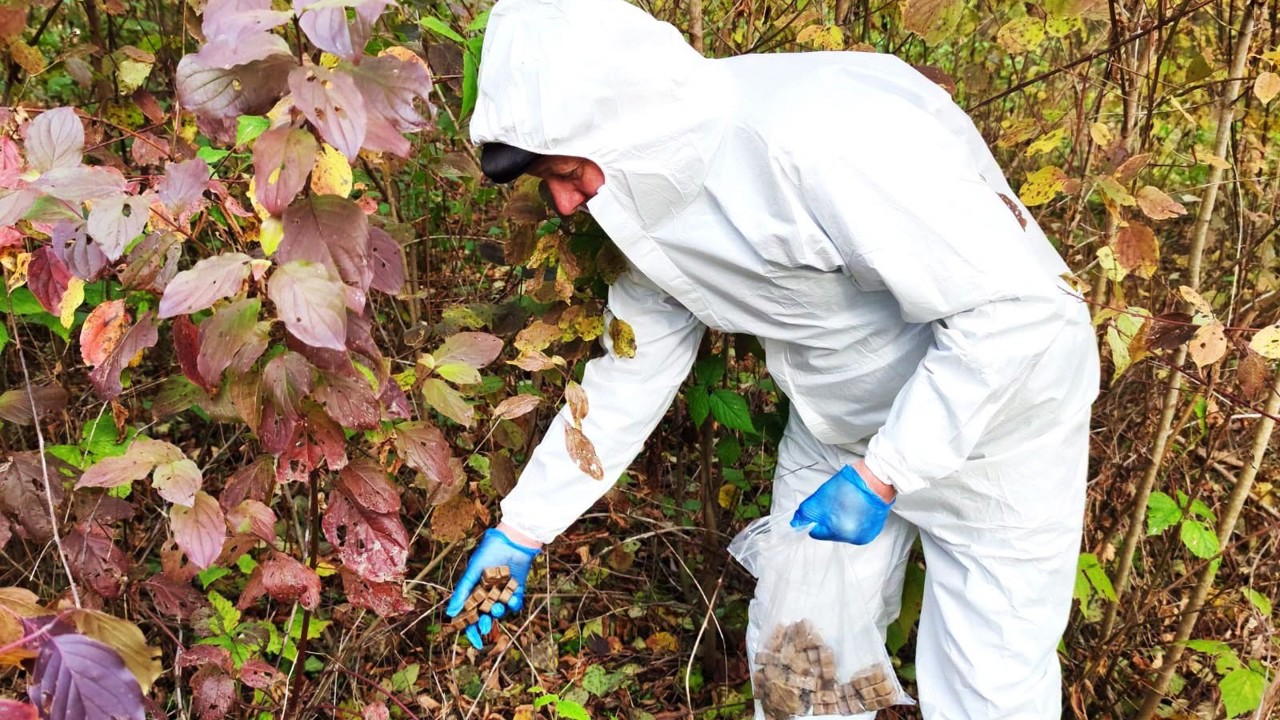
The manner in which environmental inspections are conducted at the Râbnița Metallurgical Plant has been criticized by former MP Alexandr Slusari, executive director of the Forța Fermierilor Association. He argues that previous inspections were superficial and questions whether a rigorous audit is feasible at the facility.
"There will be no on-site inspection—because if a genuine inspection were to take place, the application would have to be denied, given that the plant fails to meet environmental requirements entirely," Slusari said.
The Râbnița Metallurgical Plant is one of the most significant industrial enterprises in the Transnistrian region. It uses scrap metal to produce steel and other metallurgical products, which are also intended for export. In recent years, energy crises have affected its operations, and in July 2026, the enterprise partially resumed production after a period of inactivity.
On October 19, a shipment of 1,125 tons of scrap metal entered the Republic of Moldova from Romania by rail. CFM representatives confirmed to Teleradio-Moldova that the cargo is destined for the city of Râbnița.