Moldovan and Hungarian historians reflect on 1956 uprising
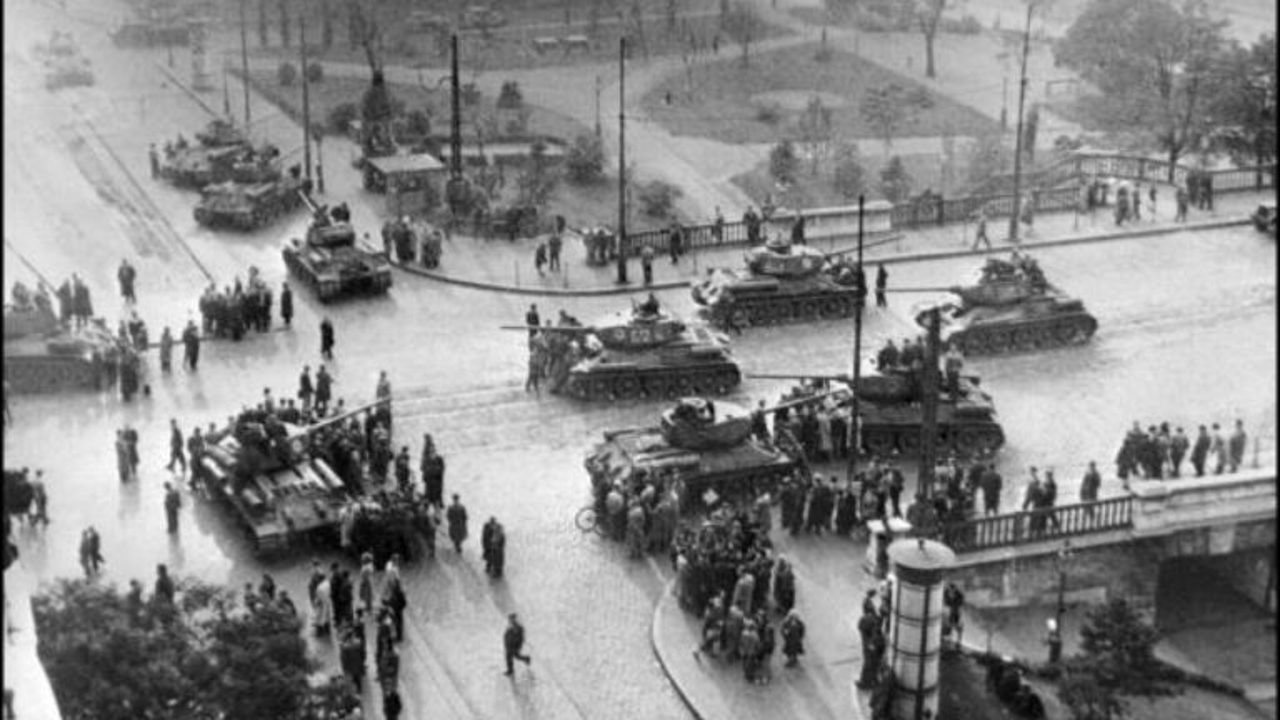
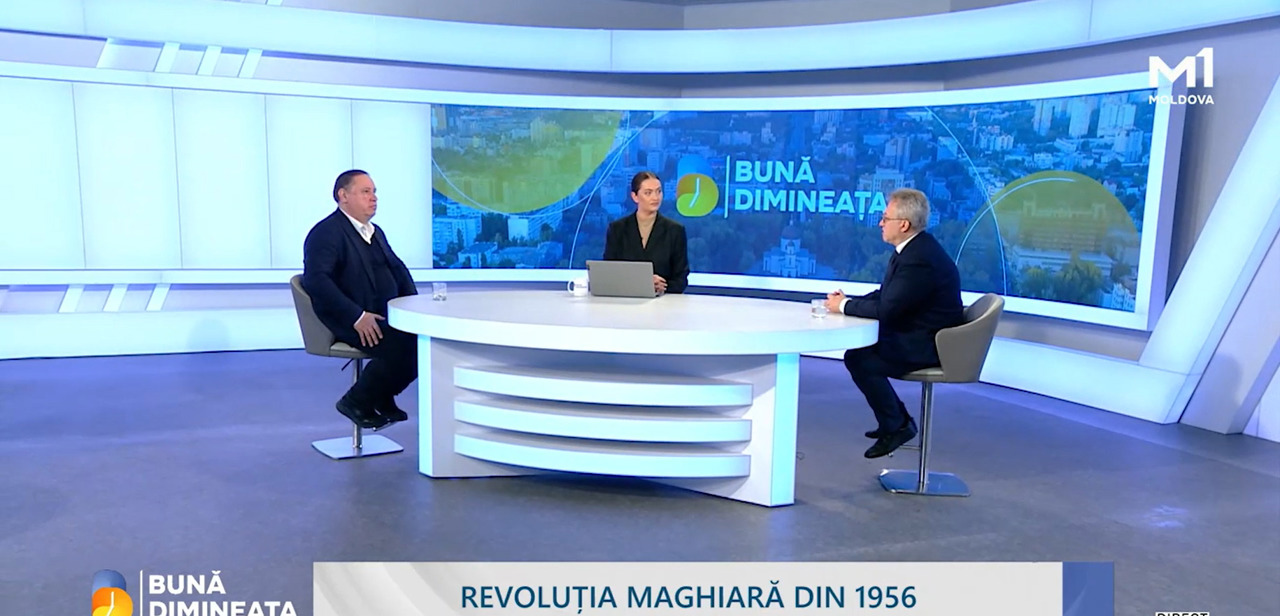
Moldovan and Hungarian historians have highlighted the lasting significance of the 1956 Hungarian Revolution, as Moldova marks its 70th anniversary with a commemorative exhibition at Moldova State University.
A turning point in resistance to Soviet rule
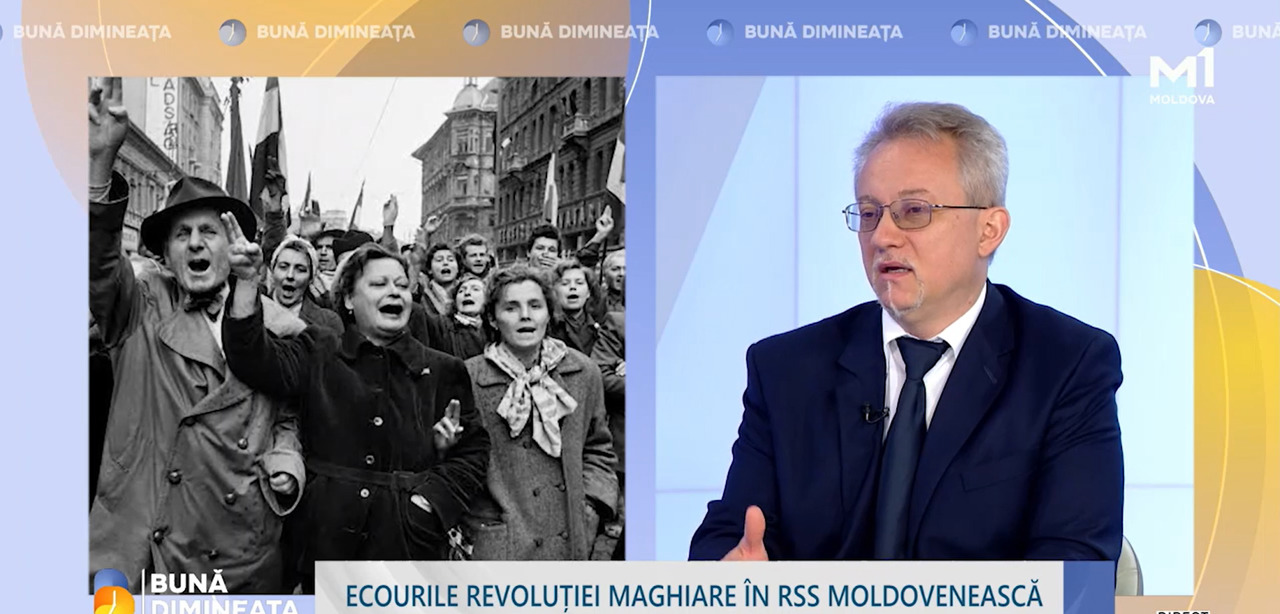
Igor Cașu, director of Moldova’s National Archives Agency, described the Hungarian Revolution as the first major attempt by a country in the Soviet bloc to break free from Moscow’s control after the Second World War.
“The 1956 Hungarian Revolution was the first major action in countries where the Soviet regime had been imposed after 1944–1945. It was the first clear attempt to break free from Soviet control,” the historian said on Moldova 1’s Bună Dimineața morning programme.
The uprising sought a radical transformation of the political system, including a return to political pluralism. Its outbreak was closely linked to the process of de-Stalinisation initiated in the Soviet Union.
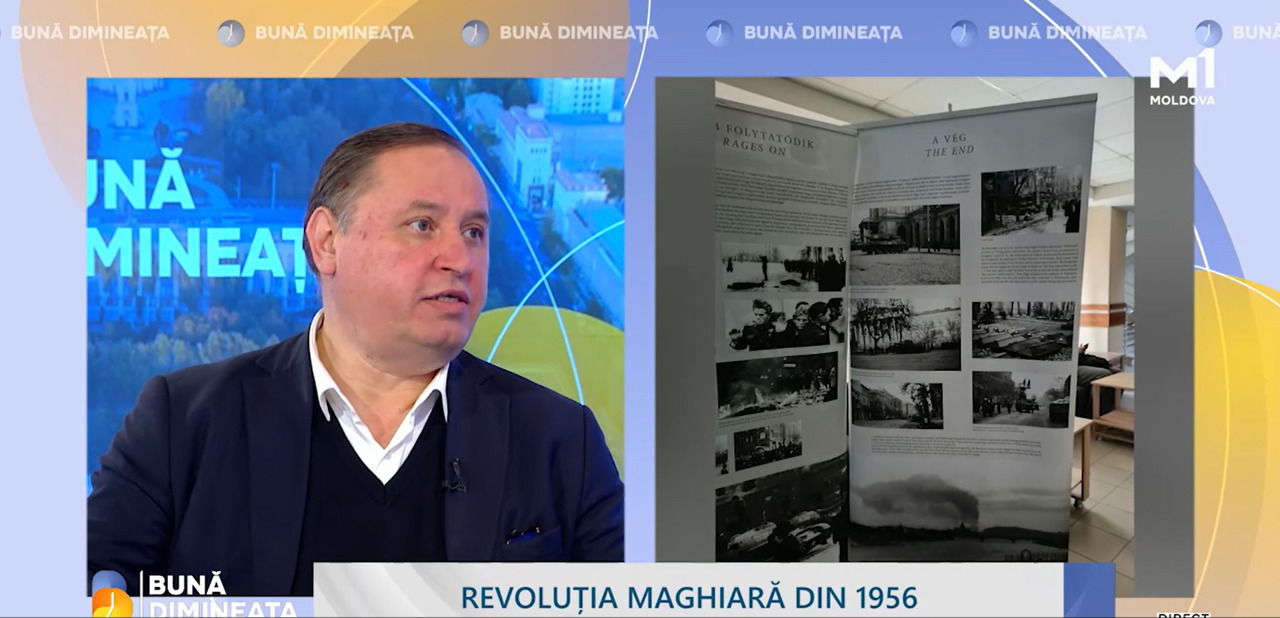
István Bandi: “Hope lasted 13 days”
István Bandi, a researcher at Hungary’s Historical Archives of the State Security Services, said the movement was initially led by students, who were later joined by workers.
“Young people took to the streets, led by students, who were joined by workers, and together they abolished communism for 13 days. Hope lasted for 13 days,” he said.
Bandi recalled that while Hungarians believed Soviet troops were withdrawing from the country, the forces were regrouping for the decisive intervention on November 4, 1956.
“Soviet troops entered Hungary in force and simply crushed these national liberation forces,” the researcher said.
Despite the uprising’s defeat, Bandi considers it a moral victory.
“The Hungarians showed the world that the desire for freedom remains, and it remained until 1989,” he said.
The revolution’s impact on Soviet Moldova
Cașu said the events in Budapest also had a direct impact on the Moldavian Soviet Socialist Republic. Archival documents show that residents followed broadcasts from the BBC, Voice of America and Radio Free Europe, while the revolution also influenced the arguments made by people returning from deportation.
“We have records from the party archives and the KGB. Gagauz communities listened to the BBC’s Turkish-language broadcasts. They were all very well informed about what was happening,” the historian said.
Cașu cited the example of deportees returning from Siberia who invoked the events in Budapest when demanding the return of homes confiscated by Soviet authorities. He also noted that young people were particularly receptive to the political changes associated with de-Stalinisation.
Lessons for Moldova’s European future
The guests also drew parallels between Hungary’s experience and Moldova’s current European integration process. Bandi said Hungary supports Moldova’s EU accession and compared Chisinau’s aspirations with the experience his country went through before joining the bloc in 2004.
“We had this experience, standing in front of a door that would not open. You will get in and see what is inside. It will be a different, better world, with both good and bad sides,” the Hungarian researcher said.
He added that reforms remain essential for every candidate country, regardless of whether accession negotiations are organised by individual chapters or clusters.
Exhibition at Moldova State University brings history closer to young people
To mark the anniversary, Moldova’s National Archives Agency and Hungary’s Historical Archives of the State Security Services opened a commemorative exhibition at Moldova State University, in partnership with relevant institutions from Hungary and Romania.
Cașu said the university had been deliberately chosen as the venue.
“Young people are there. We wanted to maximise the impact,” the head of the National Archives Agency said.
The exhibition features photographs and documents about the Hungarian Revolution and its impact on Moldova. Organisers hope the materials will encourage younger generations to take a greater interest in recent history.
The Hungarian Revolution, which unfolded between October 23 and November 4, 1956, was crushed by Soviet forces. The source estimates that around 2,500 Hungarians and 700 Soviet soldiers were killed. Approximately 200,000 people fled Hungary for the West. Imre Nagy, the reformist leader of communist Hungary, was tried and executed.
Moldovan President Maia Sandu is visiting Hungary on October 23–24 at the invitation of Prime Minister Péter Magyar. On October 23, she took part in events marking the 70th anniversary of the revolution alongside other international leaders, including European Council President António Costa and European Commission President Ursula von der Leyen. On October 24, Sandu is scheduled to hold bilateral meetings with Hungarian President András Baka and Prime Minister Magyar.
Translation by Iurie Tataru
RELATED COVERAGE