Moldovan craftsman keeps traditional drum-making alive
A craftsman in Todirești, eastern Moldova, has spent around 15 years making drums by hand, as local kindergarten children visit his workshop to learn how the instruments are made.
A childhood passion becomes a craft
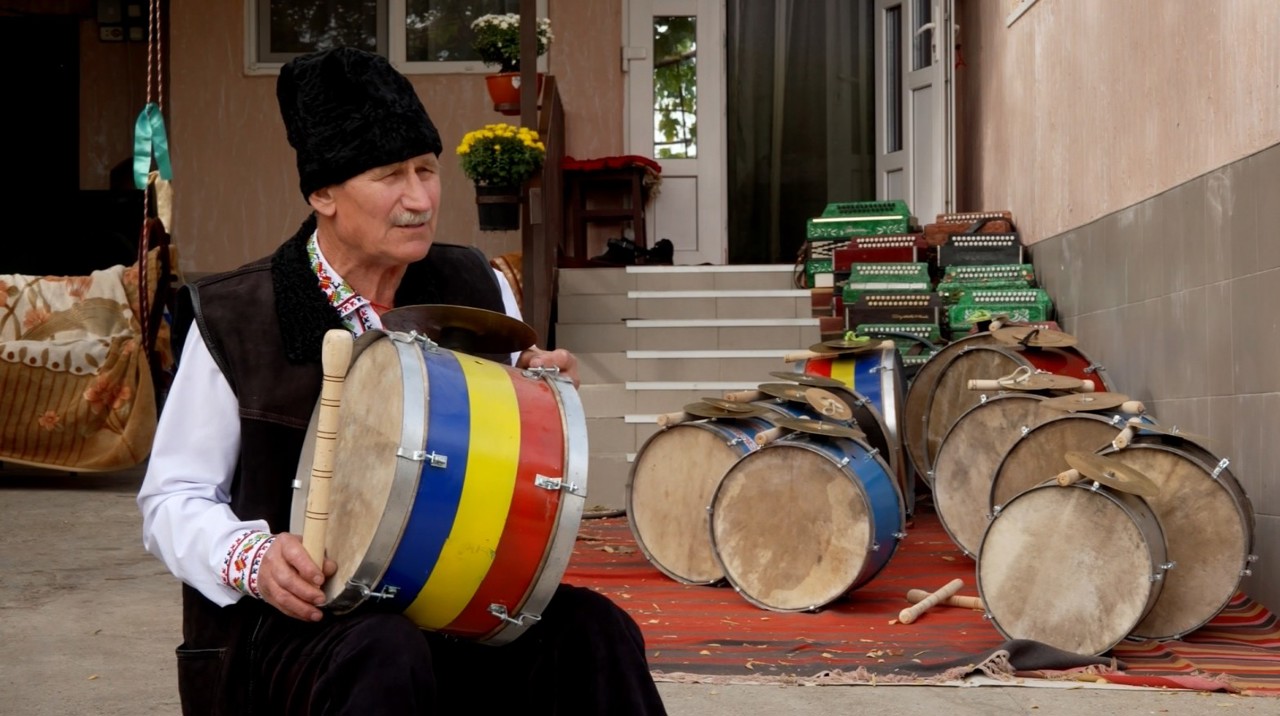
Valeriu Cotorobai, from Todirești in Anenii Noi district, began making drums around 15 years ago after a childhood dream of owning one remained unfulfilled. Unable to afford a drum when he was young, he later decided to make his own after starting a family and returning to his passion for music.
His first attempt, using plastic film, failed because the material cracked in freezing weather. He then switched to goat hide, which he continues to use.
“Later in life, I decided to make myself a drum. That was about 15 years ago. I made one from plastic film, but it didn't work out — the film cracked in freezing weather. After that, I switched to goat hide,” the craftsman said.
Preparing the hide takes time. Cotorobai collects it from across Moldova and leaves it in lime for 14 days before washing, scraping and drying it. While the hide dries, he prepares the wooden and metal components.
A painstaking process and fewer orders
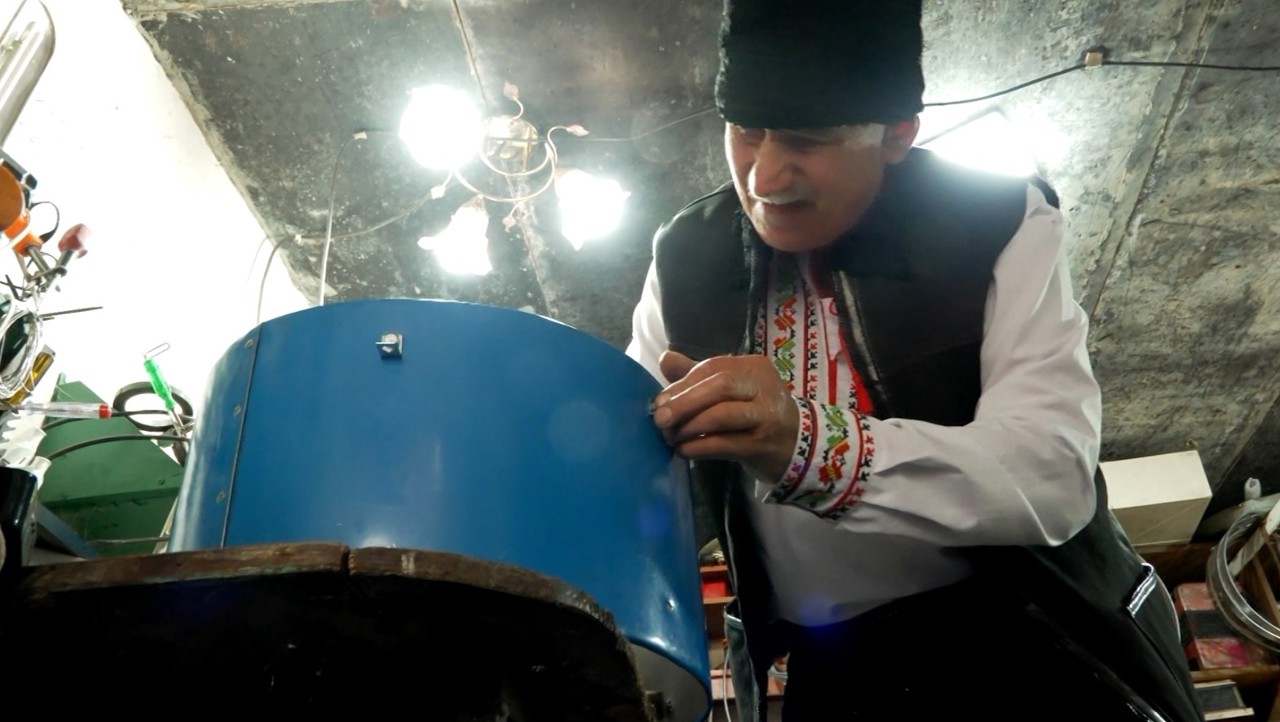
Making a drum can take between 15 and 20 days. Cotorobai works in several rooms in his home workshop, bending and welding metal before preparing the hide and fitting it over a frame.
He has made around 200 drums over the past 15 years. His collection includes more than 20 instruments, some weighing up to six kilograms.
Demand has fallen considerably in recent years. While he previously received multiple orders, he now sometimes goes six months without selling a single instrument.
Despite the slowdown, Cotorobai continues working in his home workshop, preserving a craft that requires patience and specialised skills.
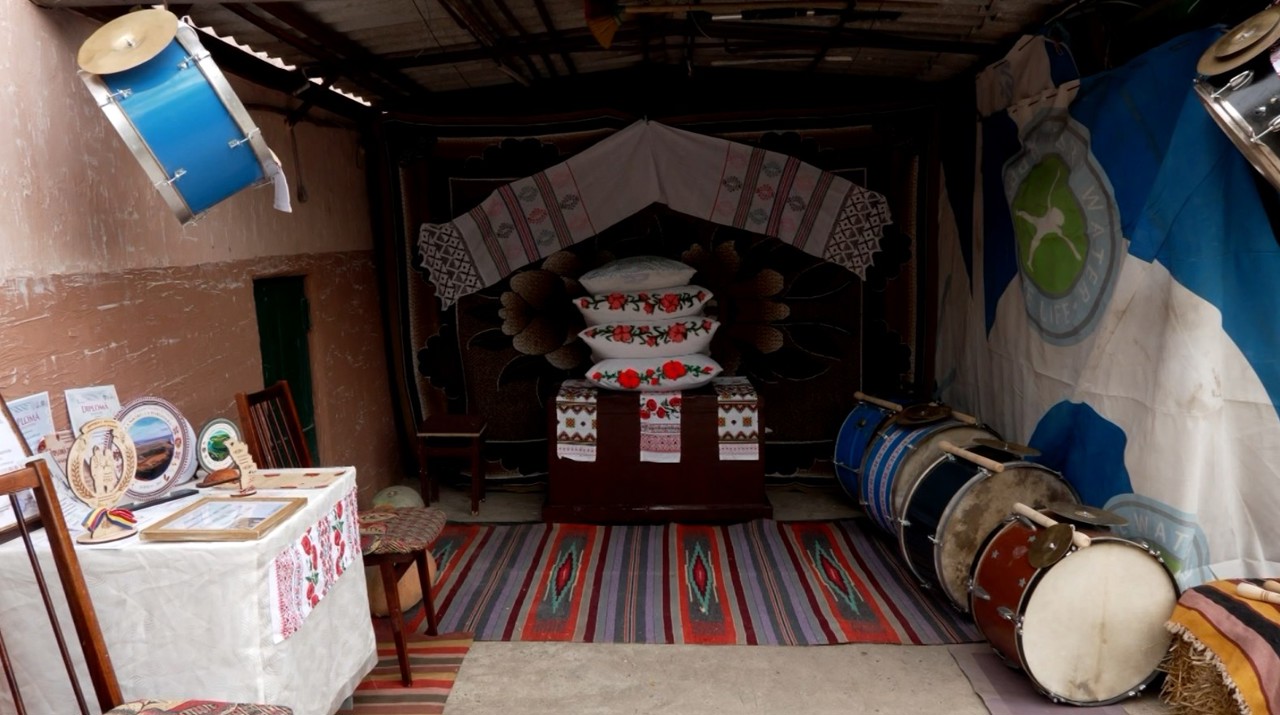
Children discover how drums are made
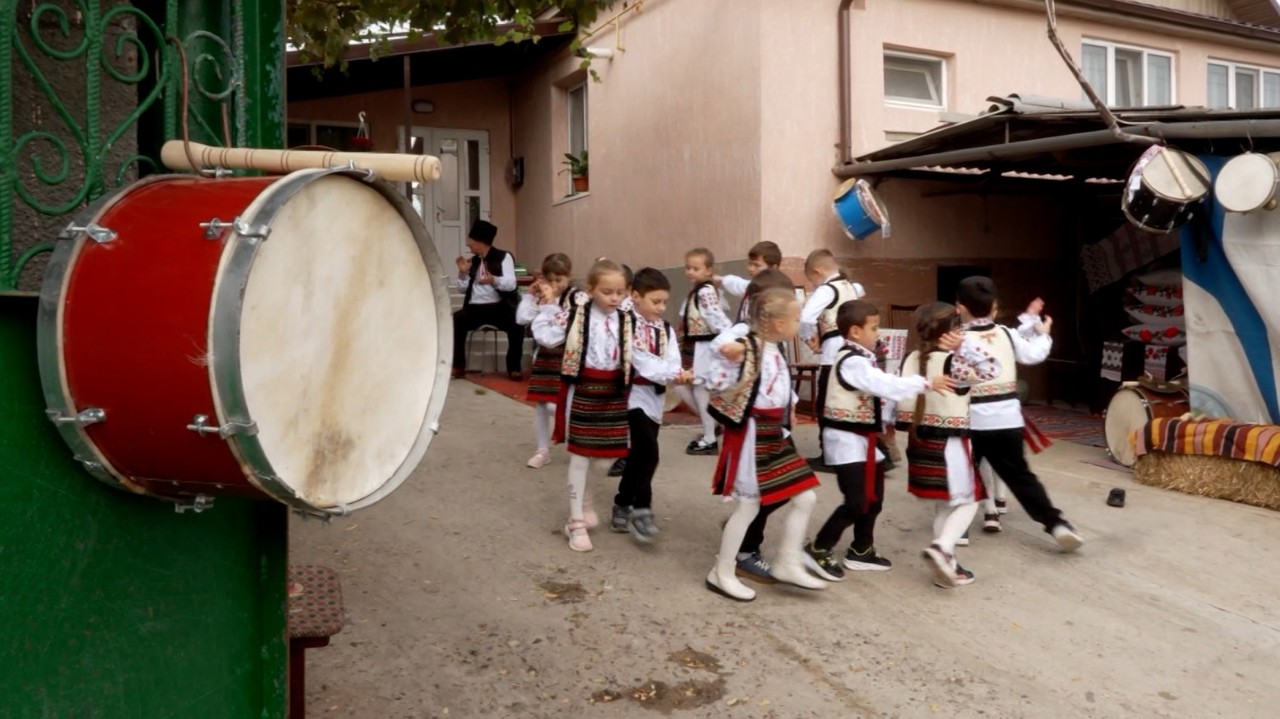
Children from the Romanița kindergarten in Todirești visited the craftsman to see how the instruments are made and try playing them.
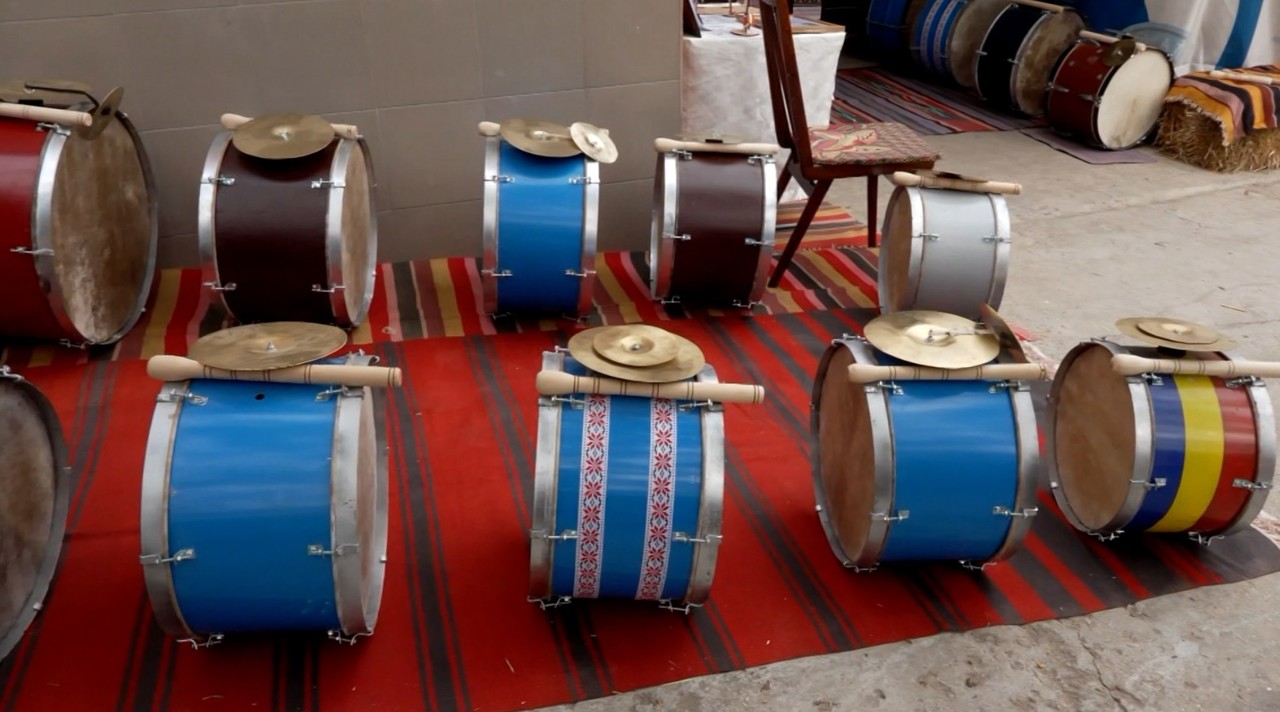
One child said the favourite part of the visit was dancing and playing the drums. Another said they enjoyed beating the drums and helping their grandfather make them.
Nadejda Druță, an educator at the kindergarten, said the visit aimed to draw attention to a rare occupation and introduce children to traditional craftsmanship.
“Knowing that this is a very rare occupation, our goal was to bring it into the spotlight. The children were very excited to visit the family, and we thank them for welcoming us,” Druță said.
From a village workshop to international destinations
Cotorobai's handmade drums have reached Romania, Italy, Spain, Portugal, Bulgaria and Canada. Among the recipients is a music school in Toronto.
His work illustrates how individual craftspeople help preserve traditional skills, even as demand declines. Introducing children to the process may also help keep the knowledge alive for future generations.
Translation by Iurie Tataru
RELATED COVERAGE
- Craft and anthropology workshops in Old Orhei for local and diaspora student
- Cultural heritage without borders: folk artisans from both sides of the Prut meet in Iași
- Moldova celebrates National Costume Day with Soviet resistance relics
- Inside Moldova’s smallest museum reviving village traditions
- Taraclia Cultural Festival celebrates unity in diversity