Moldova urged to expand media literacy across school subjects
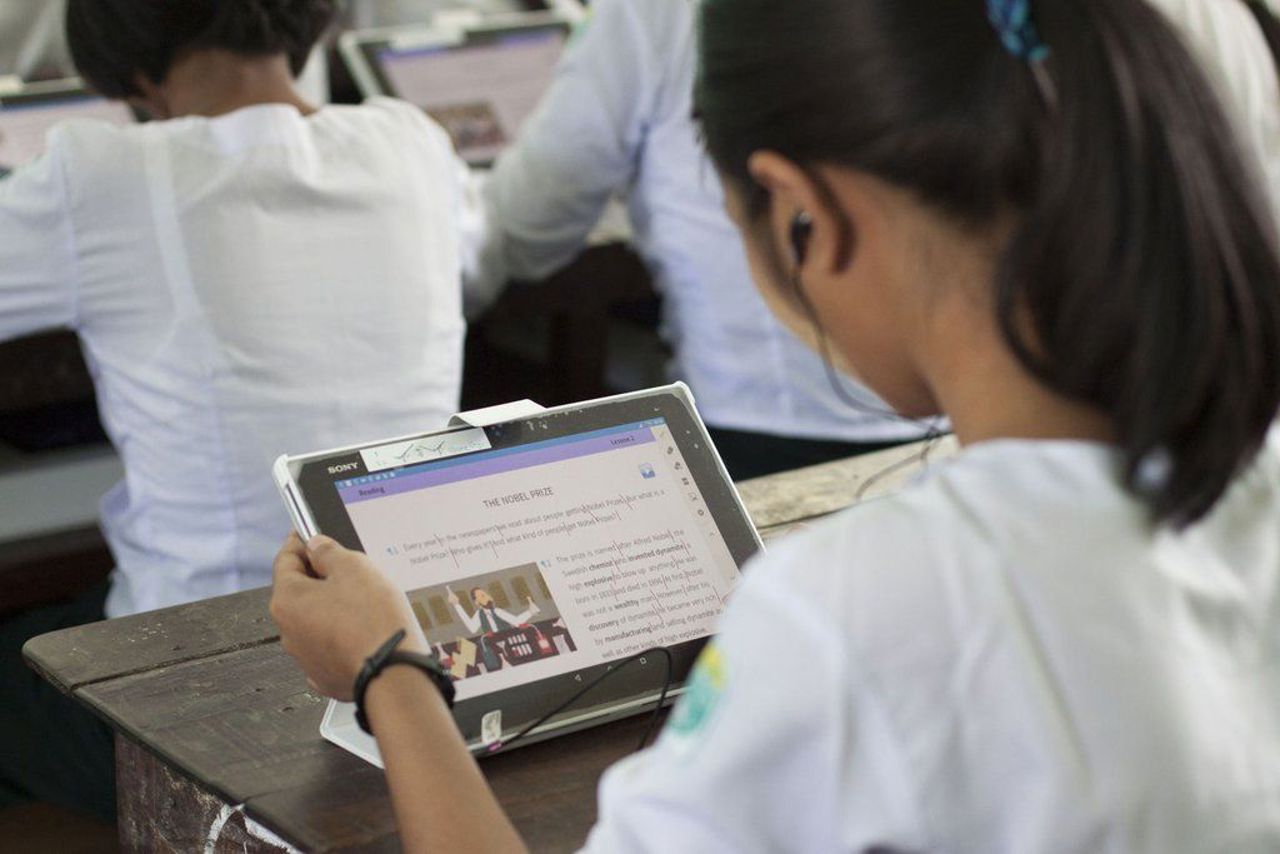
Moldova needs to integrate media literacy across school subjects to help students identify disinformation and assess online content critically, amid the growing use of artificial intelligence.
Media literacy beyond an optional subject
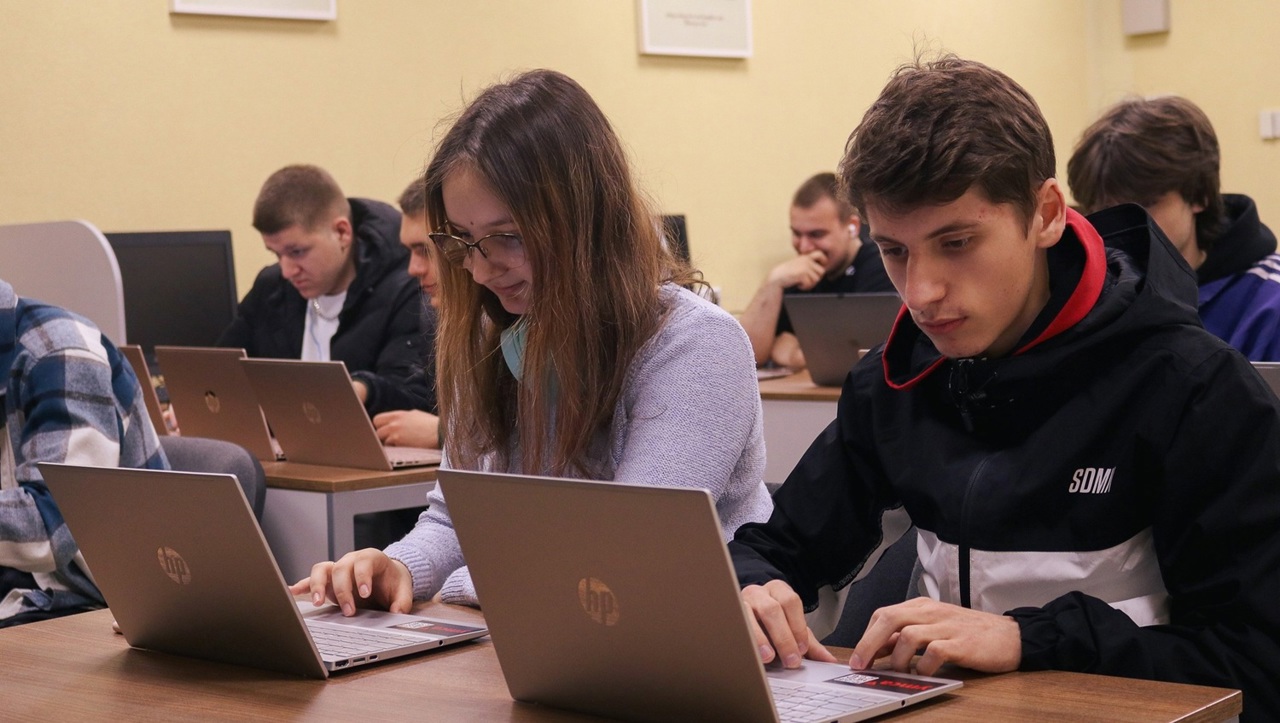
The optional Media Education subject has been taught in Moldova for about a decade at primary, lower secondary and upper secondary levels. However, the Center for Independent Journalism (CIJ) says more needs to be done to ensure that all students develop the skills to evaluate the information they encounter daily.
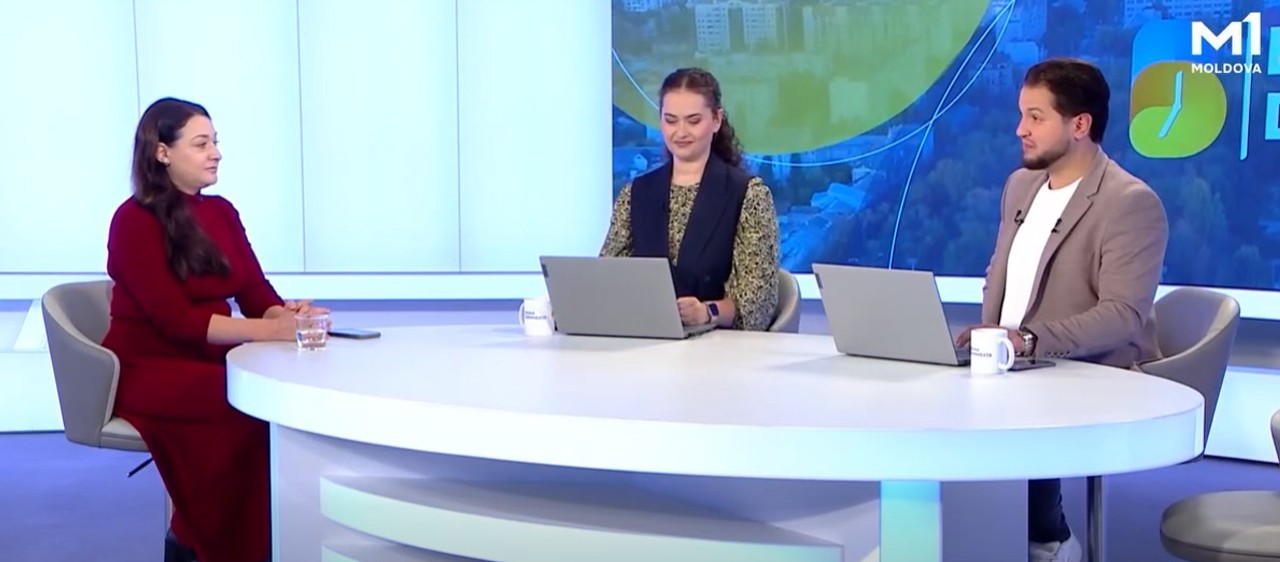
“Especially in 2026, this means having a set of competencies, a set of skills that help us separate the wheat from the chaff when it comes to information,” Anastasia Nani, deputy director of the Center for Independent Journalism, said on Moldova 1’s “Good Morning” programme.
According to Nani, the CIJ’s media literacy index shows that Moldova still needs to strengthen critical thinking and the skills required to assess information.
Over the past decade, about 30,000 students have studied Media Education, while around 1,000 teachers have received training to teach the subject. Since the course is optional, however, many students do not have access to it.
“The solution our country should adopt is to integrate media literacy skills or tools into other subjects: Romanian language, history, mathematics, biology and chemistry,” Nani said.
Teachers and families also have a role to play
Trained teachers can also apply media literacy principles during student guidance sessions and extracurricular activities. Students, in turn, can help parents and grandparents identify false information and use social media more responsibly.
AI-generated videos pose an additional challenge because they can appear authentic and mislead viewers. Media education programmes therefore need to adapt continuously to new technologies and emerging forms of information manipulation.
To verify information, users are encouraged to consult original sources and compare reports from multiple outlets. They can also report false content using the tools provided by social media platforms.
“When I hear that something has happened in some country, I encourage people to go to the original source. That is what I try to promote. We can talk a lot about truth, and not every piece of information is true, but let us try to develop the skills to go, at least, to original sources,” Nani said.
The CIJ works with the Ministry of Education and Research and contributes to the development of a media education policy. Nani said sustained efforts are needed to strengthen the subject and integrate media literacy skills throughout the education system.
Global campaign for informed citizens
Global Media and Information Literacy Week is observed from October 24 to 31 at the initiative of UNESCO. The campaign promotes the skills needed to access, analyse, evaluate and use information responsibly.
In a world where information spreads rapidly and digital platforms are part of everyday life, media and information literacy helps people distinguish reliable information from falsehoods, recognise disinformation and think critically about the content they consume and share.
Translation by Iurie Tataru
RELATED COVERAGE
- Media education, an increasingly important subject in schools, amid the rise of online disinformation
- Quality journalism is essential to fight Russian propaganda in Moldova
- How disinformation fueled a pro-Russian rise in Romania's election
- Moldova’s security is also Europe's concern, Vice President of the European Commission
- Contemporary authors and additional reading time in the new curriculum