How to read food labels and make informed choices
Food labels help consumers make informed choices by explaining ingredients, nutritional values, allergens and date markings, but knowing how to interpret this information is essential for safe shopping.
Check the ingredients list first
Ingredients are generally listed in descending order by weight, meaning the first ingredient accounts for the largest proportion of the product. If sugar ranks second on a packet of biscuits, for example, it is one of the product's main ingredients.
What E-numbers mean
Codes beginning with the letter E identify food additives, but their presence does not automatically mean a product is unsafe. E300, for instance, stands for ascorbic acid, also known as vitamin C, which is used in food products, including to prevent oxidation.
Understand the nutrition declaration
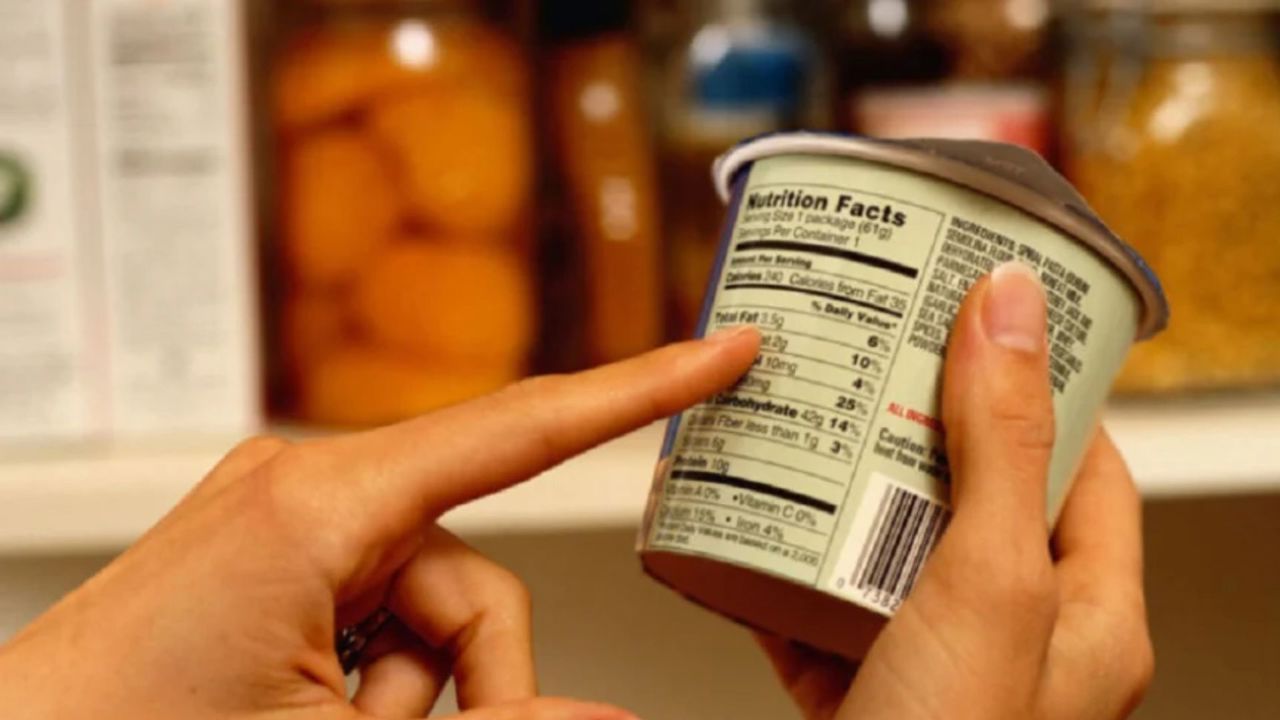
The nutrition table provides information about energy, fat, saturated fat, carbohydrates, sugars, protein and salt. Values are generally given per 100 grams or 100 millilitres, making it easier to compare similar products.
Portion size also matters. If a packet contains 200 grams and the nutritional values are listed per 100 grams, eating the entire packet means consuming twice the amounts shown on the label.
Look out for allergens
Ingredients such as milk, eggs and peanuts deserve particular attention. Under EU labelling rules, the presence of regulated allergens must be highlighted in the ingredients list so that people with food allergies can identify them more easily.
Know the difference between date markings
The phrase “best before” primarily refers to product quality. Food may remain safe to eat after this date if it has been stored correctly, although its taste, texture or freshness may deteriorate.
By contrast, “use by” indicates a safety deadline for highly perishable foods. Products should not be consumed after this date, even if they look and smell normal.
Make informed choices when shopping
Reading food labels helps consumers compare products, identify ingredients of interest and avoid foods that may pose risks to their health. Checking the information on the packaging before buying can help people make better-informed decisions about what they eat.
Translation by Iurie Tataru
RELATED COVERAGE
- Moldova requires country of origin on all food price tags
- Moldova to mandate country-of-origin labels in larger shops
- Moldova civic group launches 'Origin Info' petition for food label transparency
- Stores must display products' country of origin starting August 10
- ANSA withdraws 1,800 kg of imported dairy products for violating new packaging rules