Stroke cases are rising among young people in Moldova
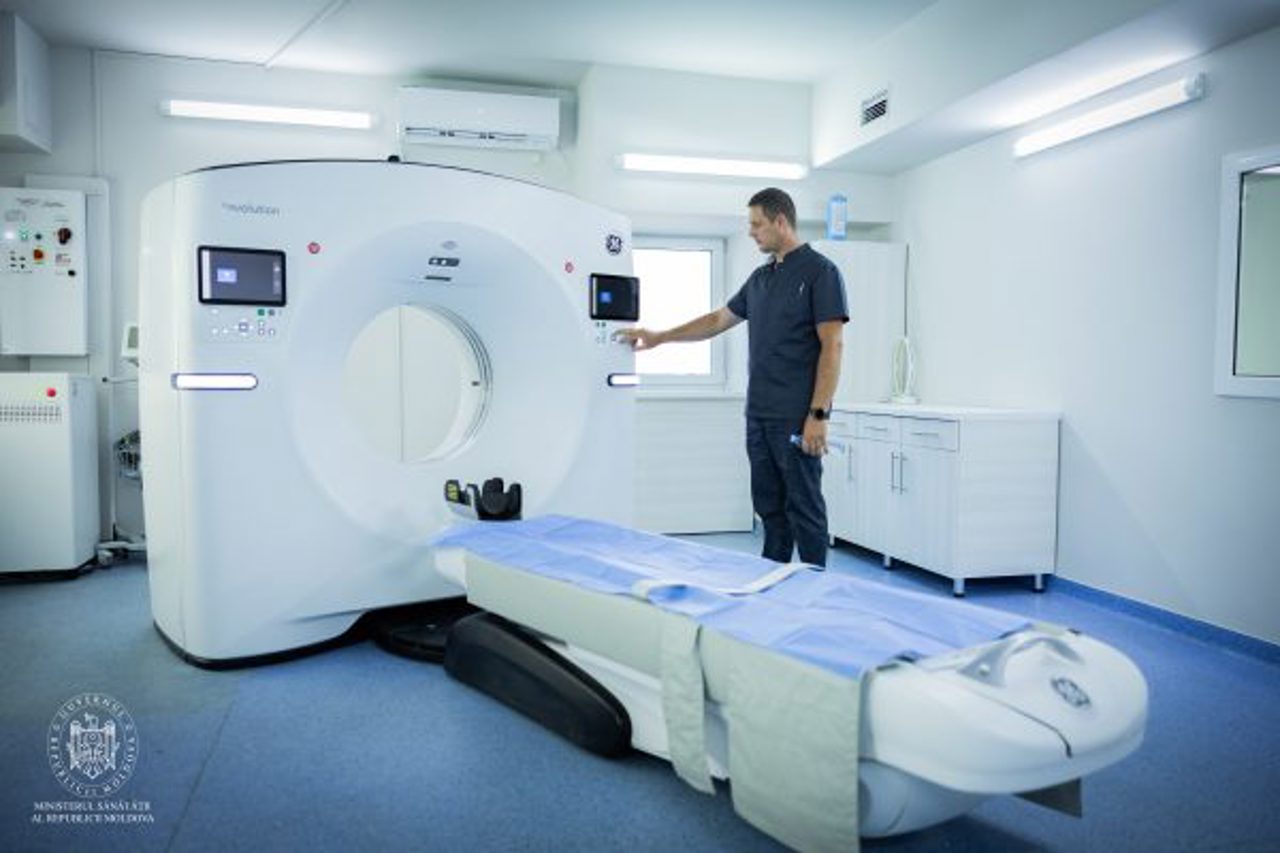
Doctors in Moldova are warning that strokes are increasingly affecting people in their 30s and 40s, urging the public to recognize symptoms and call emergency services immediately.
Stroke can affect younger adults
A stroke occurs when blood flow to part of the brain is interrupted, causing brain cells to die and impairing the functions they control. Recognizing the symptoms quickly and calling 112 can make the difference between recovery, severe disability and death.
High blood pressure, heart disease, diabetes, high cholesterol, smoking, physical inactivity and an unhealthy diet are among the main risk factors.
Although strokes are often associated with older people, doctors have increasingly reported cases among adults in their 30s and 40s.
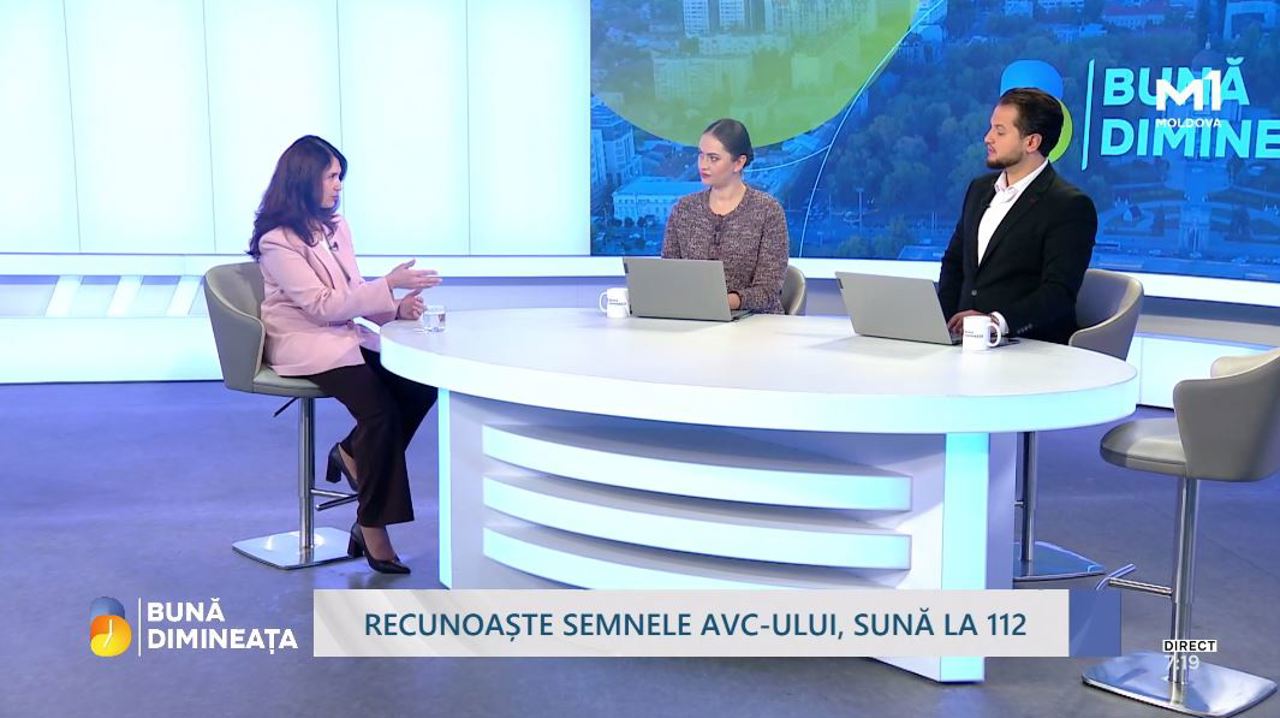
“We see patients suffering strokes like these practically every month. This reflects an accumulation of medical conditions and risk factors. Unfortunately, at least in our region, global statistics also show that strokes are increasingly affecting younger people. We are dealing with cases in which people aged 30–40 are already suffering strokes,” said Elena Costru-Tașnic, a neurologist and medical sciences researcher, during the Bună dimineața programme on Moldova 1.
Recognizing the warning signs
The most common signs of a stroke include facial asymmetry, sudden weakness in an arm or leg, and difficulty speaking.
Other symptoms may include sudden vision loss, balance problems and an unusually severe headache.
Doctors recommend using the FAST method to identify the warning signs: check the face, ask the person to raise both arms, assess their speech and act immediately by calling emergency services.
If one side of the person's face droops, they cannot raise both arms or their speech is slurred, call 112 without delay.
“Any sudden symptom should raise the alarm and prompt the person to seek medical attention as quickly as possible,” the neurologist noted.
A stroke does not always cause pain, and the person affected may not realize how serious their condition is. Symptoms should never be ignored, even if they occur at night or appear to improve.
What to do if a stroke is suspected
The first step is to call 112. Do not transport the person in a private car, and do not give them medication, food or liquids unless instructed by medical professionals.
The neurologist warned that aspirin can worsen the situation if the person is having a haemorrhagic stroke, caused by a ruptured blood vessel. Liquids may also enter the airway if the patient has difficulty swallowing.
“The best course of action is to do nothing, in the sense of waiting for the ambulance,” Costru-Tașnic warned.
While waiting for emergency services, keep the person under observation and ensure their safety. Position them in a way that does not obstruct breathing. If they are unconscious, follow the emergency dispatcher's instructions and adapt first aid to their condition.
Prevention and long-term care
Controlling blood pressure, managing heart disease and diabetes, following prescribed treatment, exercising regularly and maintaining a balanced diet can help reduce the risk of stroke. Quitting smoking and limiting alcohol consumption are also important preventive measures.
The neurologist stressed that patients should not stop prescribed medication simply because they feel better or their blood pressure has returned to normal. Following medical advice is essential, including to reduce the risk of another stroke.
Stroke remains a major public health challenge
Stroke is the second leading cause of death in the Republic of Moldova, where stroke-related mortality is reported to be three to four times higher than in European Union countries.
More than 12,000 people suffer a stroke each year, according to the figures cited in the source material. Approximately 35% die during the acute phase of the disease. Stroke is also the leading cause of disability among adults and the second leading cause of dementia, according to the same material.
A national network of 13 specialized stroke centres has been operating in Moldova since 2024, providing patients with access to advanced diagnosis and treatment closer to home.
According to Ministry of Health figures cited in the source material, medical teams performed 761 intravenous thrombolysis procedures and 408 mechanical thrombectomies in 2025. Compared with 2023, the number of thrombolysis procedures more than tripled, while mechanical thrombectomies increased more than two-and-a-half-fold.
Thrombolysis involves administering medication to dissolve a blood clot. Mechanical thrombectomy is a minimally invasive procedure used to remove a clot from a blood vessel in the brain.
Both procedures can significantly improve recovery prospects for eligible patients, but their effectiveness depends directly on how quickly treatment begins.
Doctors recommend regularly monitoring blood pressure and cholesterol, eating a balanced diet, staying physically active and following prescribed treatment to help prevent strokes.
Translation by Iurie Tataru
RELATED COVERAGE
- Stroke is increasingly affecting young people despite faster treatment and lower mortality
- Over 12,000 Moldovans have a stroke each year
- Most stroke patients in Republic of Moldova are of working age
- "Every minute counts!" – Doctors urge swift action for stroke patients
- How Comrat’s Stroke Centre is saving lives in Moldova