Moldova extends grain import licensing through 2026
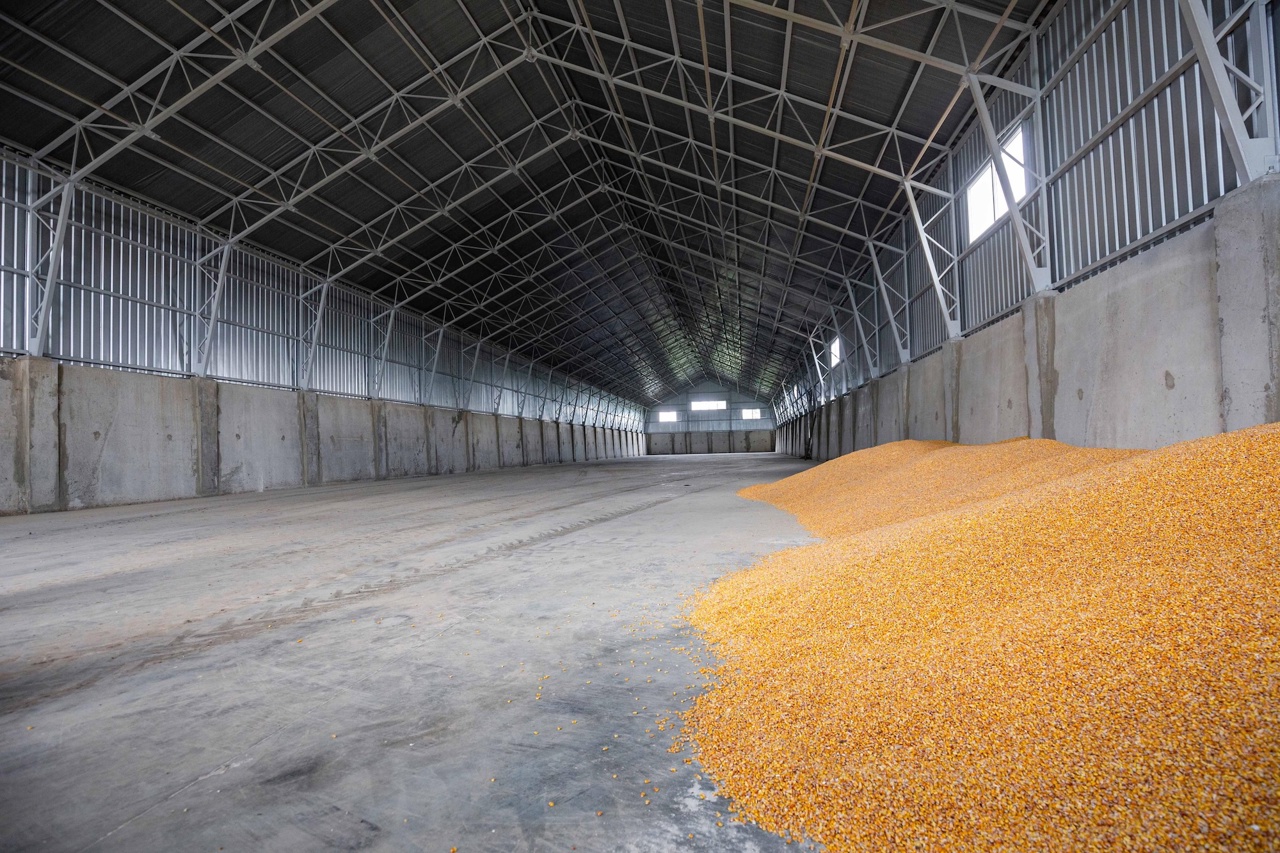
Moldova’s parliament voted on October 29 to extend licensing for wheat, corn and sunflower seed imports through December 2026, as farmers staged tractor protests over falling prices and rising costs.
Import licences and exemptions
The legislation, backed by 82 lawmakers in two readings, extends the import licensing regime until December 31, 2026. The measure aims to protect domestic agricultural producers from cheaper imports while allowing certain businesses to bring in raw materials for their own operations.
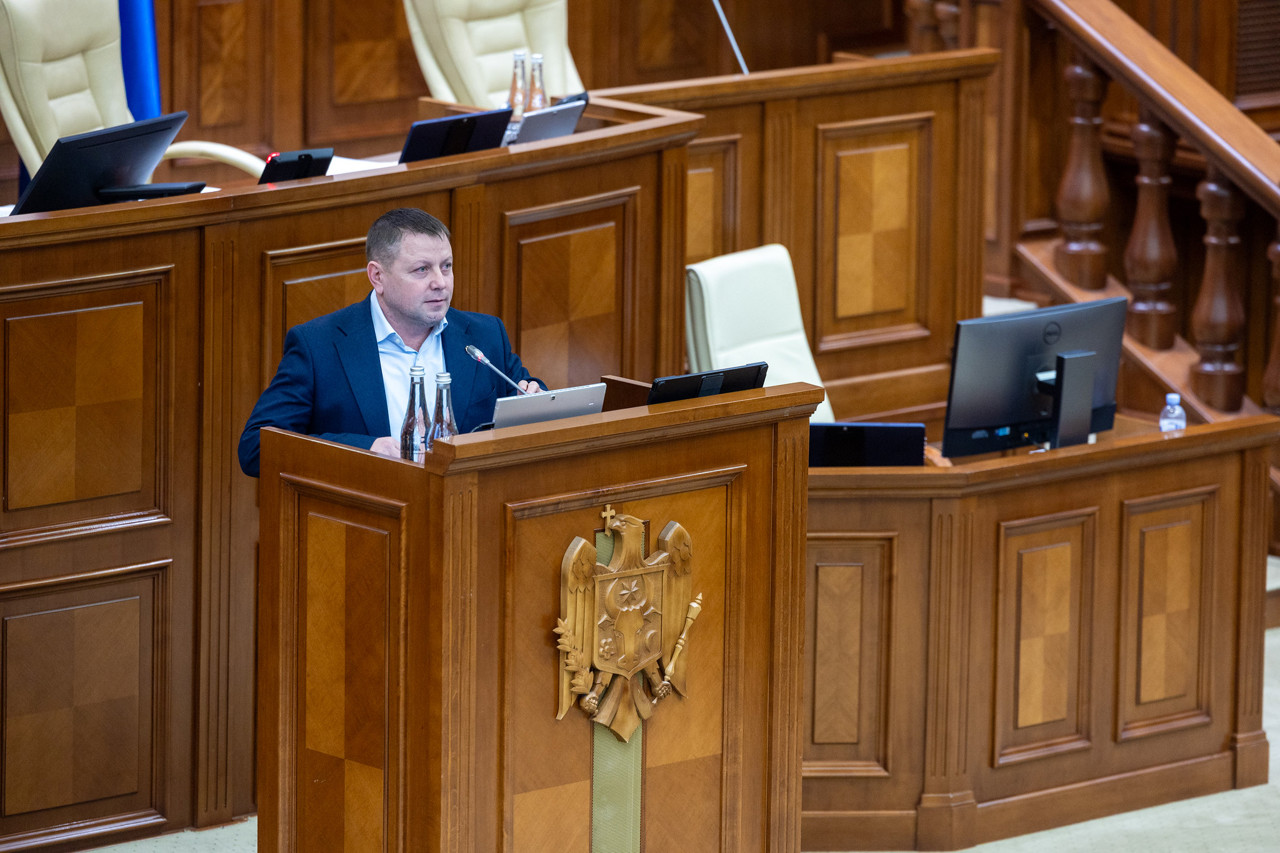
The initiative was submitted by lawmakers from the Our Party faction. Serghei Ivanov, chairman of parliament’s Committee on Agriculture and Food Industry and one of the bill’s authors, said imported agricultural products from neighbouring countries could reach the Moldovan market at prices local farmers struggle to match.
“We need a mechanism to protect our domestic market against dumping prices coming from other countries. This is a normal measure, one also applied by neighbouring countries. We need this measure too, on a permanent basis,” Ivanov said during the parliamentary session.
According to the bill’s explanatory note, farmers face rising costs for diesel fuel and fertilisers, while selling prices remain low. The authors say wheat sold on Moldova’s domestic market currently fetches about 1.5 lei less per kilogram than at the port of Constanța in Romania.
Additional imports could put further pressure on farmers’ revenues, including those already struggling with loans and unpaid debts.
The law does not impose a blanket ban on imports. Instead, it establishes licensing criteria and allows livestock breeders and processing companies producing vegetable oil, flour or animal feed to obtain licences free of charge.
Imported goods must be used exclusively for the applicants’ own operations. Reselling or exporting the products is prohibited.
Applications will be reviewed by a commission comprising representatives of the Ministry of Agriculture and Food Industry, the Ministry of Economic Development and Digitalisation, the National Food Safety Agency and relevant industry associations.
Countries exempt from licensing
An amendment approved by lawmakers exempts imports from countries that accounted, on average, for no more than 10% of Moldova’s total import volumes. The calculation will use the last three years during which the licensing mechanism was not in force: 2021–2023.
Opposition criticises government’s agricultural policy
The parliamentary debate also featured a heated exchange between Sergiu Stefanco, a lawmaker from the Democracy at Home Party, and Parliament Speaker Igor Grosu.
Stefanco accused the government of neglecting agriculture over the past five years and failing to provide sufficient support to farmers affected by drought and rising production costs. He also criticised delays in extending the import licensing regime.
The lawmaker said the number of farmers facing insolvency had risen from 480 last year to 1,900 at present. These figures were presented by Stefanco during the debate and have not been independently verified for this article.
“Over the past five years, you have treated this sector however you pleased. You have made farmers come and beg for every law. Licensing is not their only demand. First and foremost, there is a complete lack of communication and an inability to listen to their real problems,” Stefanco said from the parliamentary rostrum.
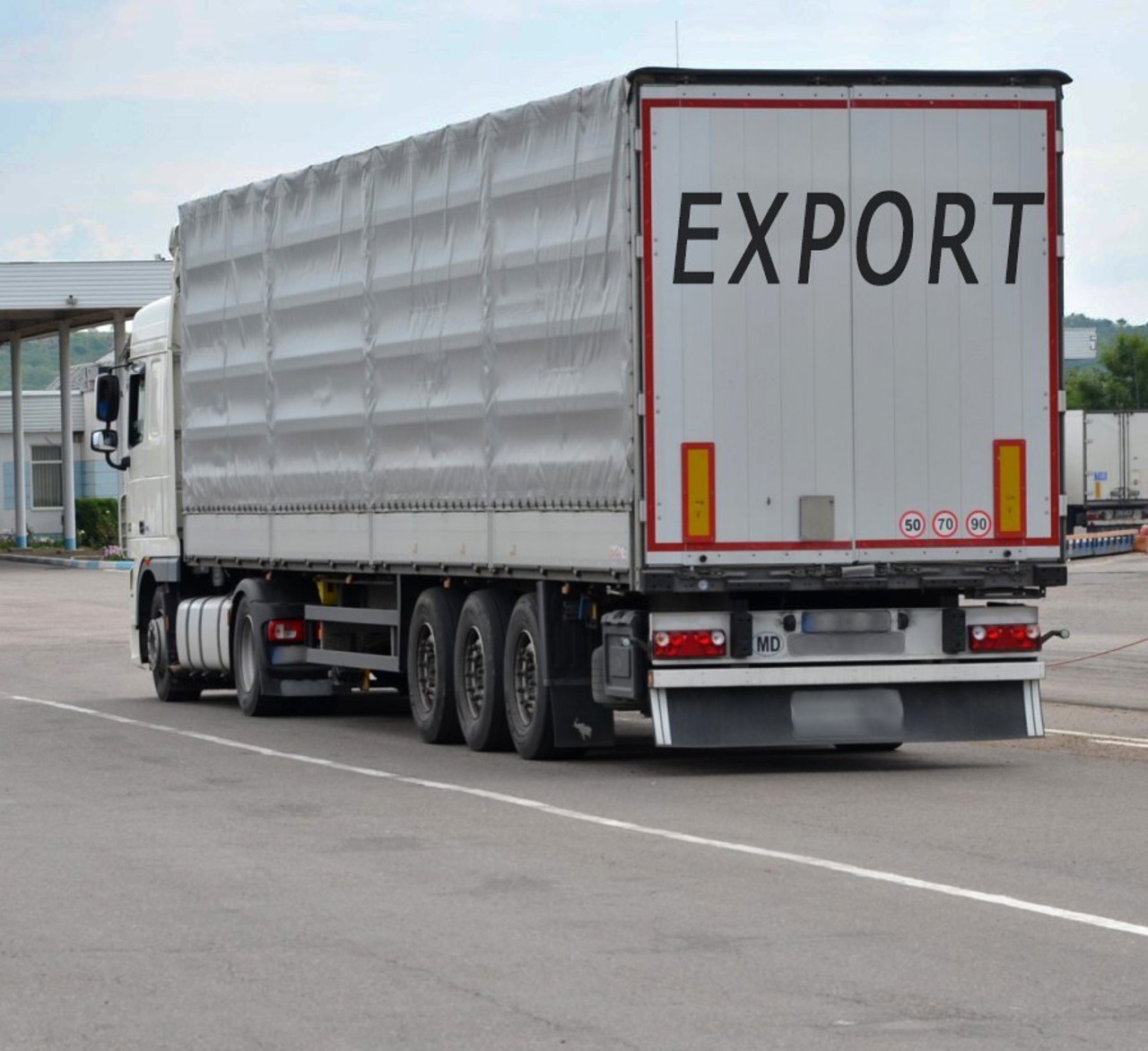
He also criticised annual increases in diesel excise duties and what he described as a lack of solutions for hauliers transporting Ukrainian grain through Moldova. Stefanco said infrastructure in Giurgiulești could not cope with truck traffic and accused the authorities of failing to engage sufficiently with their Romanian counterparts over border conditions.
Grosu responded by accusing Stefanco of speaking on behalf of all farmers despite receiving state financial support himself. The speaker also criticised the lawmaker’s remarks concerning Moldova’s relations with Ukraine and Romania.
“A bumblebee ploughing the field produces neither honey nor a harvest. Less talk and more work! Don’t play the victim, because I haven’t taken loans of 40 million lei for 300,000 hectares of land, unlike some others. And stop speaking on behalf of farmers, because there are people who genuinely work hard and take care of this country,” Grosu said.
Farmers say licensing alone is not enough
Moldova introduced the licensing mechanism for grain and oilseed imports in 2024–2025 and reinstated it in September 2026, with the previous deadline set for October 31.
On October 28, the government backed an extension following consultations with agricultural representatives. Parliament’s latest decision allows the mechanism to remain in force until December 31, 2026, with the possibility of a further extension depending on market developments.
The vote came as farmers in several districts took their agricultural machinery onto the roads on Thursday, October 29. Tractor convoys were reported in Fălești, Leova, Cahul and Criuleni.
Farmers welcomed the extension but said it would not resolve the sector’s broader problems. They cited drought-related losses, higher diesel and fertiliser costs, and increasingly difficult access to financing.
The Farmers’ Force Association, which welcomed the decision to maintain the restrictions, said the authorities had acted at “the eleventh hour.” The organisation is also calling for additional support, particularly for small and medium-sized farms.
Translation by Iurie Tataru
Asociația „Forța Fermierilor”, care a salutat decizia autorităților de a menține restricțiile, consideră că aceasta a fost luată „în cel de-al doisprezecelea ceas”.
Totuși, organizația solicită măsuri suplimentare de sprijin pentru producătorii agricoli, în special pentru fermele mici și mijlocii.
RELATED COVERAGE
- Moldovan farmers threaten protests over grain import policies
- Moldova votes grain import curbs as lawmakers push extension to 2027
- Moldova balances farmers' demands and Ukrainian grain transit
- Farmers demand urgent meeting with Prime Minister to discuss risks to the grain market
- Moldova invites farmers to talks on Ukrainian grain transit rules