Winter preparations: Gas supplies contracted until March, full stocks in Romania and Ukraine
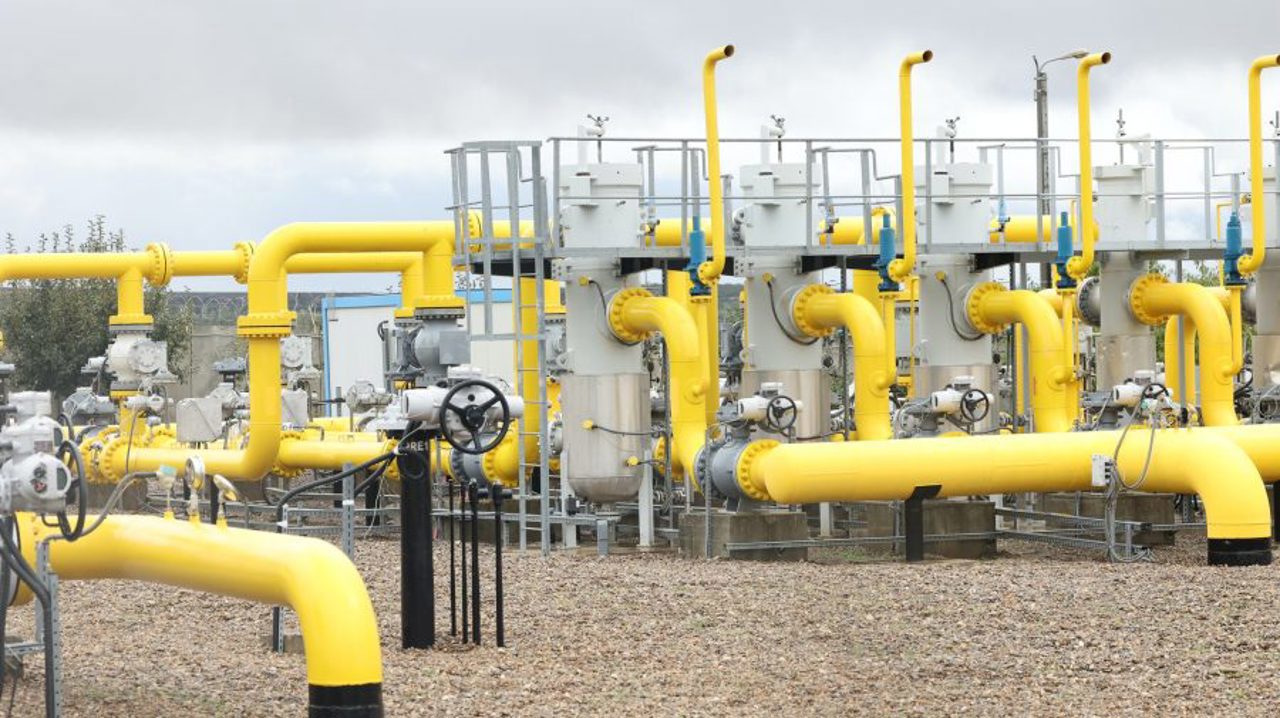
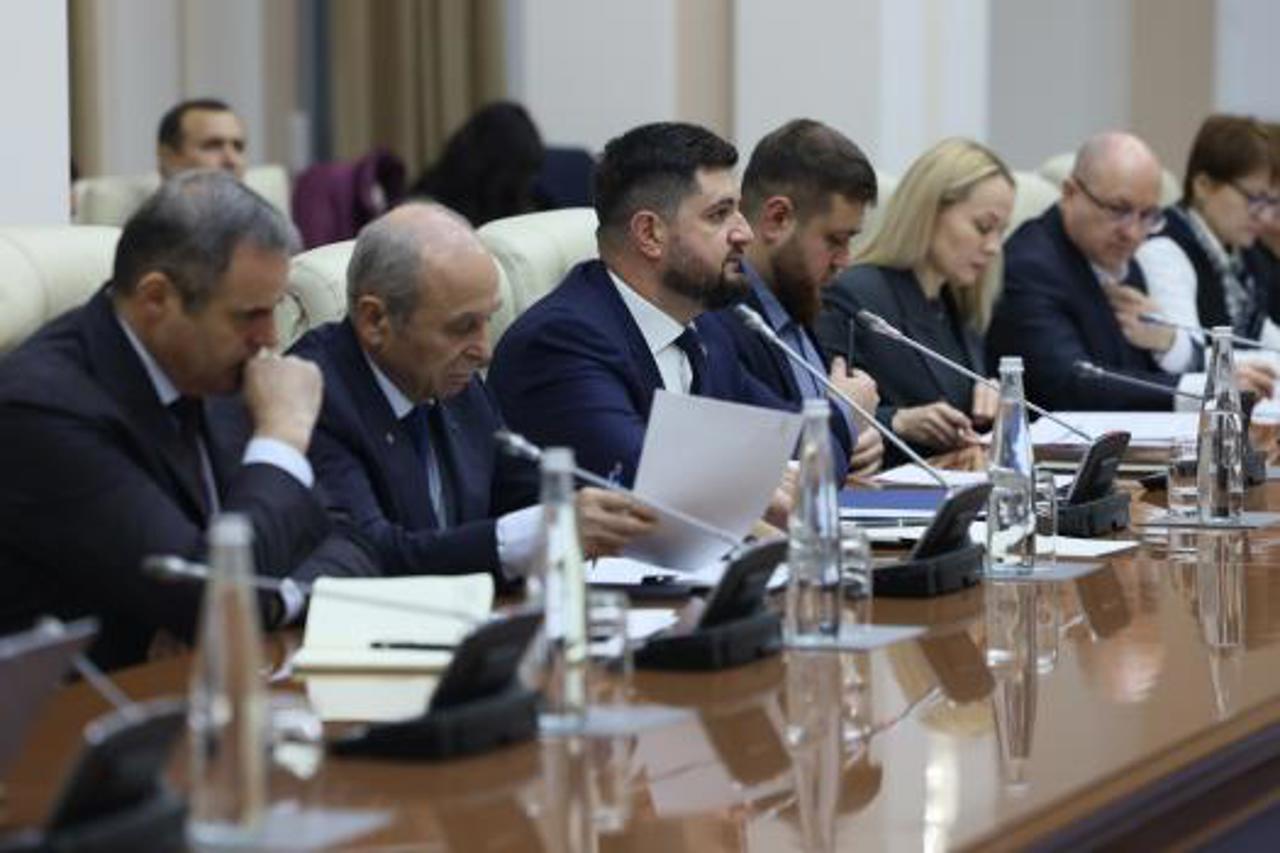
Energocom has fully contracted the planned volumes of natural gas through March 2027. Furthermore, security stocks totaling 56.3 million cubic meters have been fully established and are stored in Romania and Ukraine. These data were presented at a meeting of the Commission for winter preparedness on November 2.
According to the authorities, the priority is to ensure the energy sector operates safely and to maintain response capabilities throughout the winter. Of the 52 measures outlined in the cold-season plan, 27 have been fully implemented, 21 partially implemented, and 4 are currently underway.
"Our priority is to ensure that citizens and the economy receive a secure energy supply throughout the cold season. For each remaining measure, we have established clear responsibilities, concrete deadlines, and solutions for potential obstacles. Institutions and operators must be prepared to intervene in a coordinated manner, including in the event of regional disruptions," stated Minister of Energy Dorin Junghietu.
In the natural gas sector, Moldovagaz—designated as the supplier for the Transnistrian region—reported that it met its gas storage obligation for the entire cold season.
On September 2, the National Energy Regulatory Agency approved a more than twofold increase in the volume of gas required to be stored for the Transnistrian region, raising it from 53.7 million cubic meters to 135.9 million cubic meters. The authorities were to secure this entire volume by November 1.
Also on the authorities' agenda is the finalization of a management plan for potential reductions or interruptions in natural gas supplies to the Transnistrian region, which involves coordinating the responsible institutions and clarifying intervention procedures.
In the electricity sector, the focus is on preparing the networks, ensuring import capacity is available, and securing the equipment needed for emergency interventions.
Until the end of 2026, fixed-price electricity procurement contracts may cover up to 50% of import requirements. From January 1, 2027, mechanisms for procurement and for ensuring security of supply are set to be finalized, according to a press release issued by the Ministry of Energy. "Other priorities include securing fuel for public institutions, assessing the availability of coal on the market, transitioning to the sale of diesel fuel suitable for the cold season, and strengthening the cybersecurity of energy infrastructure. The Ministry of Energy will continue to monitor incomplete measures and risks that require further intervention," the cited source states.
Apartments connected to heating system despite outstanding debts
During the meeting, Termoelectrica reported that, as of November 2, it had begun supplying thermal energy to 135 kindergartens, 49 schools, 25 medical institutions, 104 residential buildings, 35 private homes, three higher education institutions, and 95 business entities.
The company’s director, Iurie Razlovan, stated that Termoelectrica is prepared to connect all consumers upon the request of building managers, who act as the legal representatives of the residents. Razlovan said consumers can be connected even if they have outstanding debts from previous periods.

Termoelectrica began connecting consumers to the heating supply—upon request—on October 15. On October 19, the Chisinau City Hall issued an order for the connection of social institutions—including schools, kindergartens, and hospitals—to the heating system.
Mayor Ion Ceban recently stated that, for apartment buildings, the decision rests with the building administrators, in coordination with Termoelectrica, an enterprise under the authority of the Government. This procedure differs from that of previous years, when the municipality’s order to begin the heating season also covered the connection of residential housing to the heating supply.
We remind you that the Republic of Moldova is currently under a national state of emergency in the energy and water sectors, effective for 60 days starting September 26. Parliament enacted this measure to allow authorities to intervene promptly in the event of disruptions to the supply of energy, fuel, or water. The state of emergency remains in effect through November 24.