Nearly one-third of calls to Moldova's 112 are non-urgent
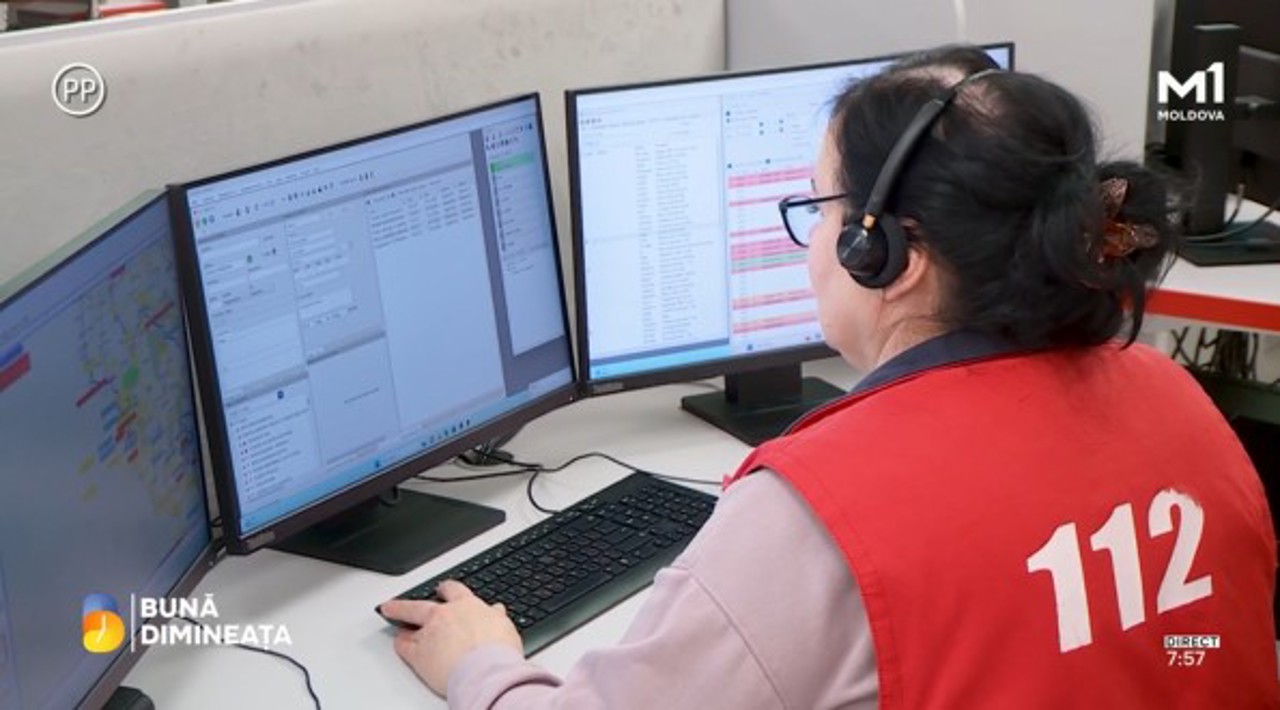
Nearly 32% of calls to Moldova's emergency number 112 are non-emergency requests, authorities say, warning that unnecessary calls can delay assistance to people whose lives or health are at risk.
Unnecessary calls put lives at risk
People continue to contact 112 for situations that do not require emergency response teams. To address the problem, authorities have launched a public awareness campaign promoting responsible use of the emergency number.
"Unfortunately, people call the emergency number 112 in situations that do not require the intervention of specialized emergency teams. Around 32% of calls are non-emergency requests. Operators' time is being taken up, but the most serious concern is that a busy line can delay intervention in an actual emergency," Ana Carpovici, spokesperson for the National Single Emergency Call Service 112, said on Moldova 1's Good Morning programme.
Citizens should distinguish between emergencies and situations that do not require an immediate response from 112 teams.
For example, people who smell gas should contact the gas emergency service directly on 904 rather than call 112, Angela Mihăescu, an employee of the 112 Service, said.
"Call 112 when lives or property, whether privately or publicly owned, are at risk. If a non-emergency incident happened a month or a year ago and is no longer taking place, you can contact any police inspectorate. For health problems that do not require emergency assistance, you can visit an outpatient clinic," Mihăescu explained.
Taxi and pizza orders among unnecessary calls
Some callers repeatedly contact the emergency service to request basic information, such as the current time, day or year. Operators even recognize the voices of certain frequent callers, Mihăescu said.
"Some calls include requests such as: 'I need a taxi', 'I want to order pizza' or 'We have no electricity, and the food in the freezer is thawing.' There are many calls that do not require emergency response teams," she said.
What information should callers provide?
Authorities also urge citizens to remain calm and answer dispatchers' questions clearly when requesting emergency assistance.
"Sometimes people cannot control their emotions, but the most important thing is to answer our questions. We have a standard set of questions: the address, so we know where to go; the person's identity and name, if possible; and a description of the current situation," Mihăescu said.
The awareness campaign also includes a video reminding citizens that emergency lines must remain available when someone's life depends on a call.
"Each of us, or someone close to us, may need to call 112 at some point. An unnecessary call that keeps the line busy could cost someone their life," the campaign's message reads.
Translation by Iurie Tataru
RELATED COVERAGE
- Ambulance called every 43 seconds: the main emergencies reported to 112
- Emergency 112: Managing summer demand and false alarms
- 112MD app now available: one-click emergency calls for all citizens
- Moldova is modernizing its emergency system with mobile apps and automatic alerts
- Moldova integrates Next Generation eCall into 112 Service