Krasnoselski can return to Tiraspol but he must stay there for five years, Vasile Tofan
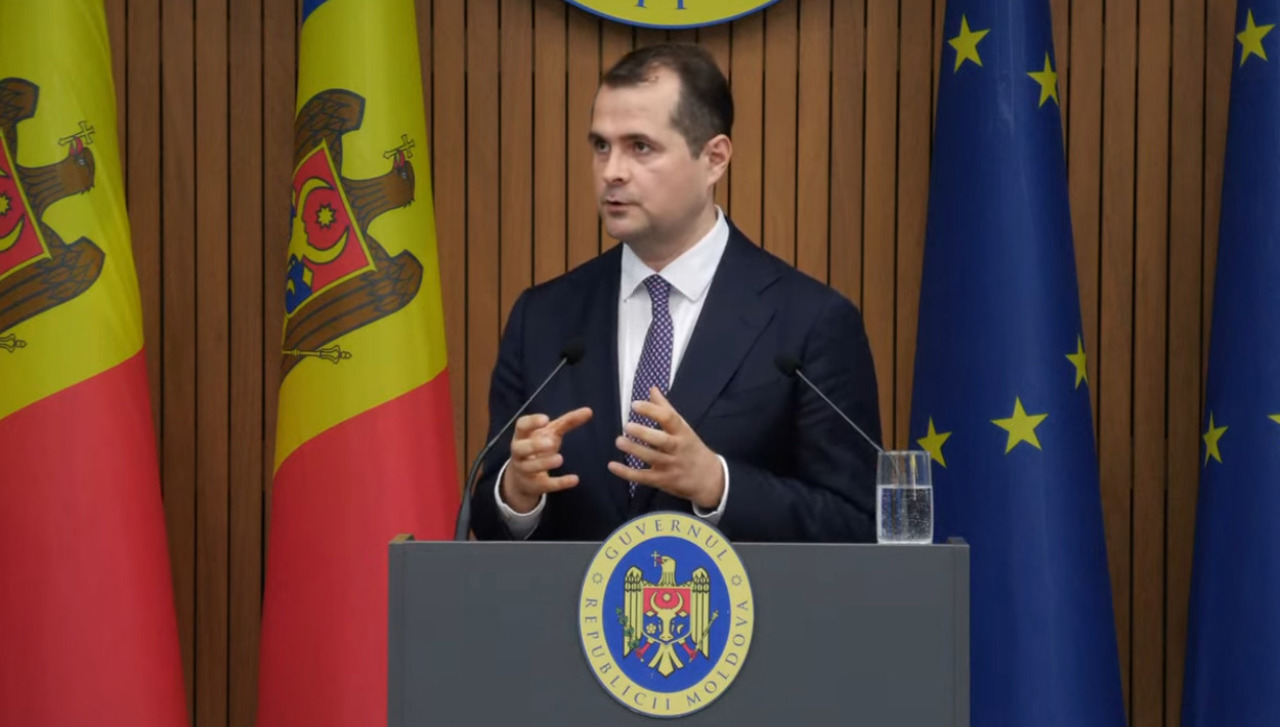
The separatist leader in Tiraspol, Vadim Krasnoselski, will be allowed to return to the Transnistrian region, but he will be barred from leaving the territory of the Republic of Moldova for five years. This announcement was made by Prime Minister Vasile Tofan, following a statement from the Bureau for Reintegration Policies on the morning of November 5, which indicated that upon his return, Krasnoselski—who was recently decorated in Moscow—would be subject to “restrictive measures, including a ban on leaving the country’s territory for a period of five years.”
The authorities in Chișinău chose this measure to avoid escalating tensions and to steer clear of the "trap set by Moscow," the Prime Minister explained.
According to him, Russia is attempting to provoke the Republic of Moldova and exploit the situation involving Vadim Krasnoselski to stir up new tensions, against the backdrop of the country’s growing alignment with the European Union.
"Russia wants to provoke us; they are setting a trap. Comrade Krasnoselski has already made plans to stay in Russia—over there, with his family. He has no need for the comforts of Tiraspol; he prefers the comforts of Moscow", stated Vasile Tofan during a press conference held to mark his first 100 days in office as Prime Minister.
Krasnoselski does not hold Moldovan citizenship
The head of government explained that the authorities avoided taking any action that would have allowed the separatist leader to cite a potential entry ban into the Republic of Moldova as a pretext for not returning to Tiraspol.
Instead, Chișinău opted for a decision the Prime Minister describes as "asymmetric": Krasnoselski is permitted to return to the separatist region, but he will be barred from leaving the territory of the Republic of Moldova for five years. "We have taken a different decision—an asymmetric one—in which we are essentially telling Mr. Krasnoselski: 'Please, go back to Tiraspol. If you care so deeply about what you have—or haven't—achieved there, then live in that so-called republic.' For our part, we are imposing a five-year ban on you, and we have the means to enforce it," the Prime Minister noted.
Vasile Tofan added that he is curious to see how the separatist leader will react to this decision, expressing doubt that he would actually want to return to Tiraspol. At the same time, the Prime Minister reiterated that the constitutional authorities are not preventing him from returning to the Transnistrian region.
"Comrade Krasnoselski is free to return to Tiraspol, but he must be prepared to stay there—in place—for the next five years, and to enjoy the fruits of the administration he has overseen of late," the head of the government said.
When asked whether Vadim Krasnoselski holds Moldovan citizenship, the Prime Minister clarified that the separatist leader is not a Moldovan citizen.
"He does not hold citizenship of the Republic of Moldova," Vasile Tofan replied.
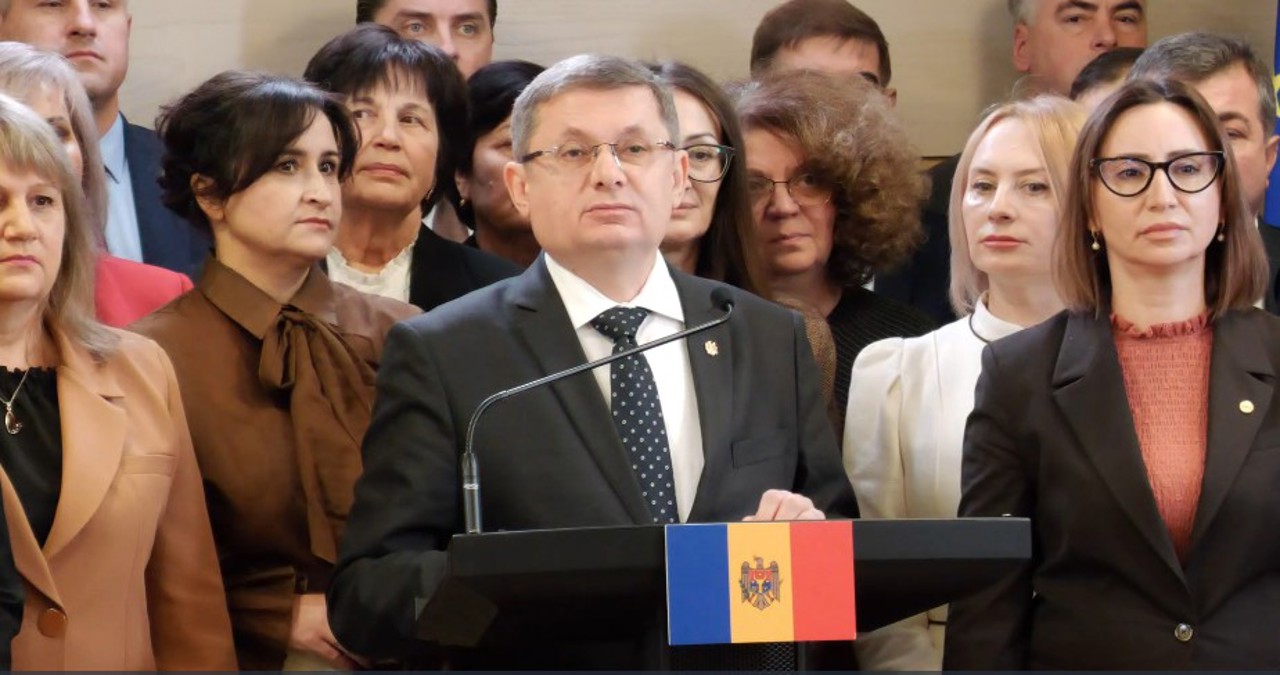
The Speaker of Parliament also believes that Moscow’s decision to decorate the so-called leader of the Transnistrian region is a provocation directed at Chișinău.
"The left bank of the Nistru is part of the Republic of Moldova. Regarding this gesture made by the dictator Putin toward this individual, it is clearly a provocation—especially in the context of our increasingly resolute and successful efforts toward European integration," noted Igor Grosu ahead of the parliamentary session on November 5.
"What the authorities are doing is nothing extraordinary"
Vadim Krasnoselski holds Russian Federation citizenship, Vadim Vieru, a human rights expert at the Promo-LEX Association, points out. According to him, the authorities in Chișinău have, over the years, tolerated the presence of the separatist leader and other representatives of the Tiraspol administration within the country, without consistently enforcing legislation regarding the residency status of foreign citizens.
"It is true that previous constitutional authorities turned a blind eye to him—as well as to other individuals from the Transnistrian region who are part of the Tiraspol administration and hold only Russian Federation citizenship—by failing to consistently apply the laws governing the presence of foreign nationals in the Republic of Moldova. What the authorities are doing now is, in principle, nothing extraordinary; it is simply the strict application of the law," stated Vadim Vieru to Radio Moldova. Imposing a potential travel ban requires documenting violations and issuing a substantiated administrative act. The General Inspectorate for Migration and the Border Police handle these procedures, while the Intelligence and Security Service could be involved in risk assessment.
We remind you that the announcement regarding the application of restrictive measures against Vadim Krasnoselski was made by the Bureau for Reintegration Policies, following the separatist leader's visit to Moscow—where, on November 4, he was awarded the "Order of Honor" of the Russian Federation by Russian President Vladimir Putin.
According to the Kremlin, the distinction was granted for his "contribution to the development" of the Transnistrian region, the promotion of the Russian language, and the defense of a so-called "historical truth."
According to the Bureau for Reintegration Policies, the separatist leader's trip to Moscow took place in the context of discussions—facilitated by the OSCE—regarding the supply of natural gas to the Transnistrian region during the cold season. Currently, the region receives natural gas purchased on the European market through a mechanism financed by the Russian Federation. Supplies are secured until the end of 2026, but their continuation into 2027 remains uncertain.
Vadim Krasnoselski has led the separatist administration in Tiraspol since December 2016. His second term is nearing its end, and on December 13, the Transnistrian region is set to hold so-called elections for the position of leader of the separatist administration—a vote not recognized by the constitutional authorities of the Republic of Moldova.