Maia Sandu convenes Supreme Security Council meeting to assess government systems security
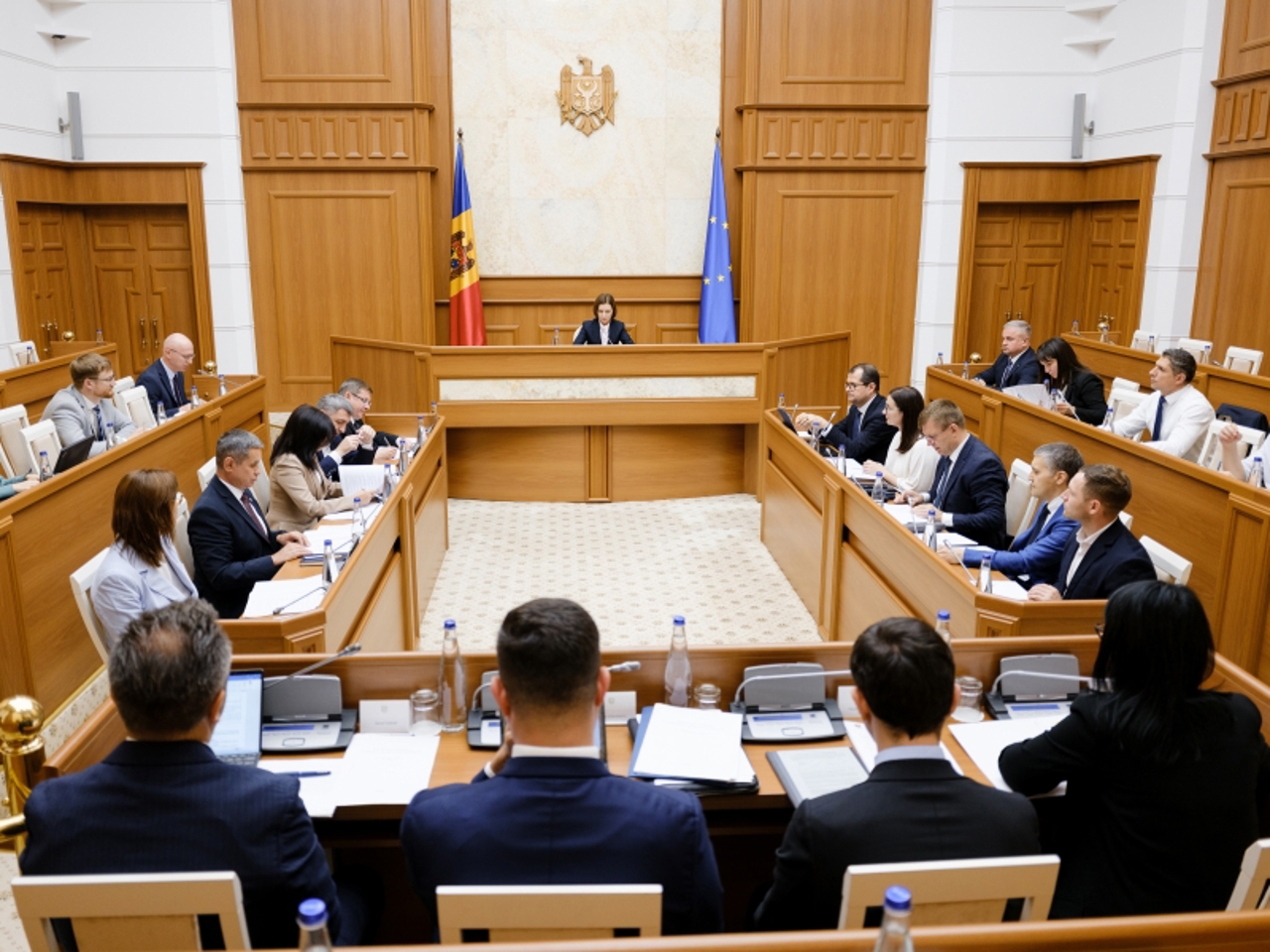
President Maia Sandu has convened a meeting of the National Security Council (NSC) for Friday, November 6, to discuss the Republic of Moldova’s cybersecurity and the protection of government digital services. The meeting is scheduled to begin at 10:00, followed by a press briefing by the head of state, the Presidency announced on November 5.
According to the Presidency, the meeting was convened amid intensifying cyberattacks targeting public institutions and critical infrastructure across Europe. This week alone, more than ten European countries have reported such incidents.
The meeting will address measures needed to strengthen the Republic of Moldova’s cybersecurity and better protect government digital services.
Immediately after the meeting, President Maia Sandu will hold a briefing at 12:30 PM at the Presidential Palace.
The Supreme Security Council convenes about two weeks after a large-scale cyberattack on state information systems. Between October 19 and 23, attackers gained unauthorized access to personal data, including names, identification numbers, family information, pension records, and driver’s licenses.
According to information provided by the authorities, approximately six million access requests were recorded over those four days—a sharp increase from the typical 20,000 to 40,000. Furthermore, around 750,000 data sets were accessed; however, this figure does not represent the number of affected individuals, as a single person's data may have been accessed multiple times.
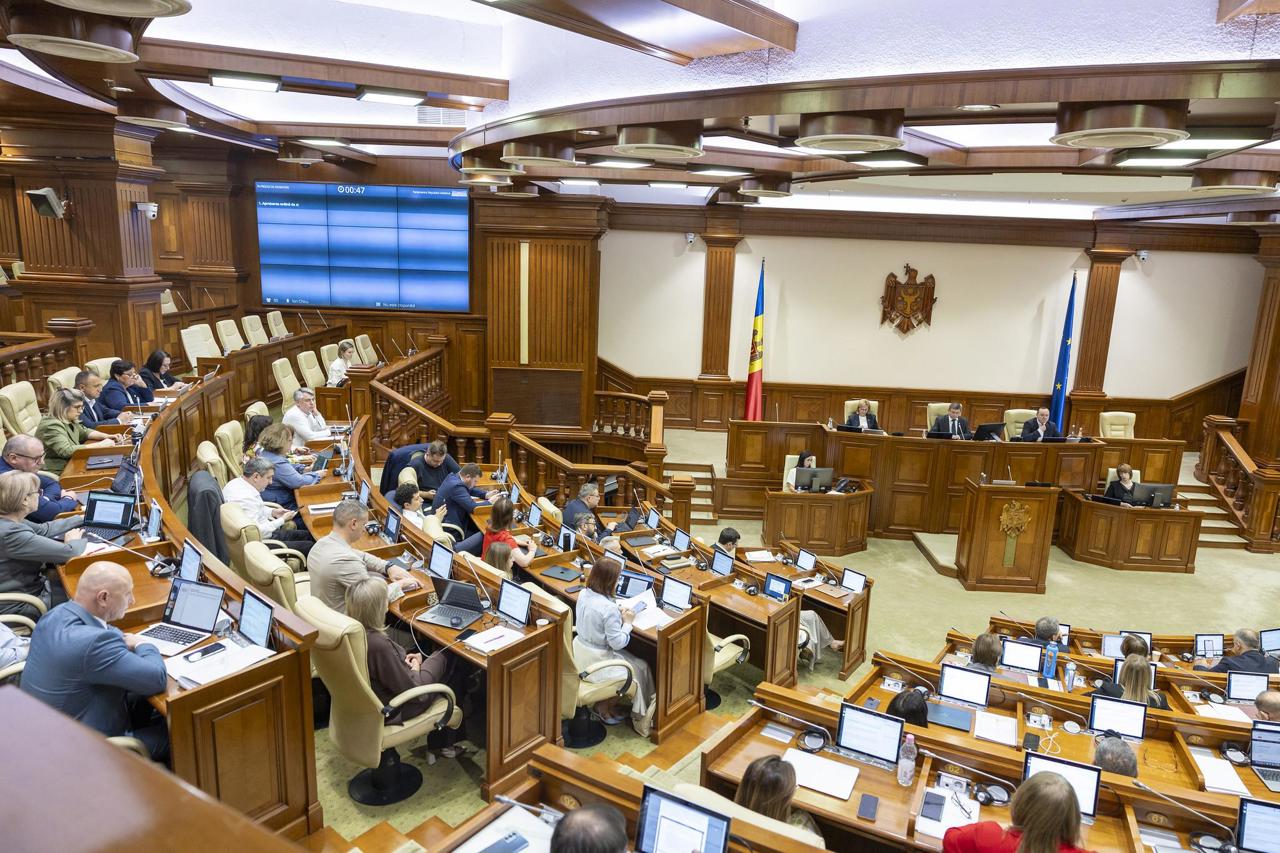
On November 4, representatives from institutions responsible for cybersecurity were questioned during a closed-door session of the Parliamentary Committee on National Security, Defense, and Public Order. Subsequently, the committee chair, Lilian Carp, announced that two audits would be conducted to identify vulnerabilities in the IT systems and establish the circumstances under which the attack was carried out.
The investigations are also intended to clarify why the responsible institutions failed to detect the millions of suspicious access attempts and did not intervene in a timely manner. Initial results are expected by the end of November, while the findings of the second audit are slated for presentation in early December.
Following the incident, the authorities ordered an assessment of 82 digital services and the temporary suspension of vulnerable applications. Meanwhile, the director of the e-Governance Agency, Nicoleta Colomeeț, announced her resignation.
The government has also signalled its intention to strengthen coordination among the institutions responsible for cybersecurity and to establish a national centre specialised in this field.