Marta Kos returns to Chișinău for talks with Maia Sandu, Igor Grosu, and Vasile Tofan
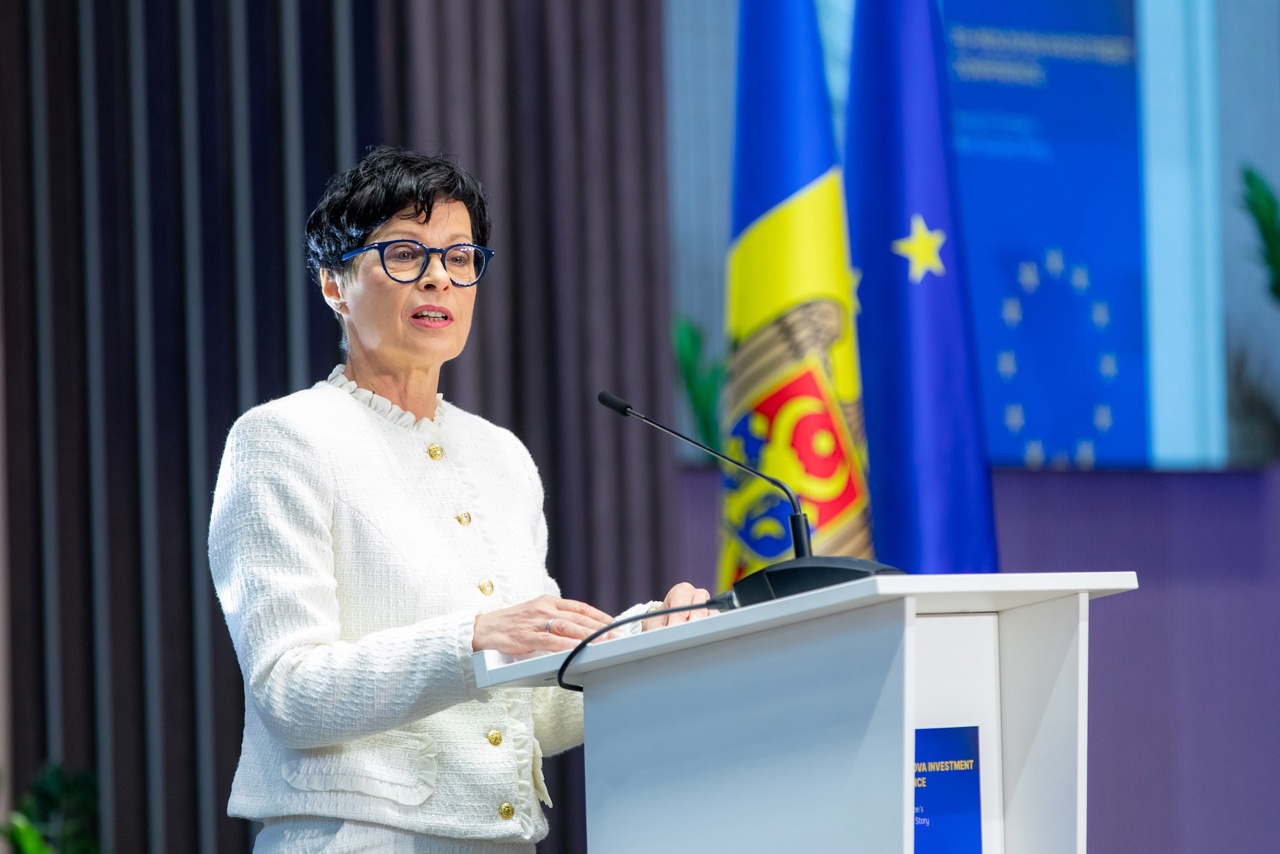
European Commissioner for Enlargement Marta Kos will pay an official visit to Chisinau from November 8 to 10 to reaffirm the European Union’s support for the Republic of Moldova’s accession. The European official will discuss with authorities in Chisinau progress in the European integration process, reforms that need to be accelerated, and the development of regional cooperation, including in digital connectivity.
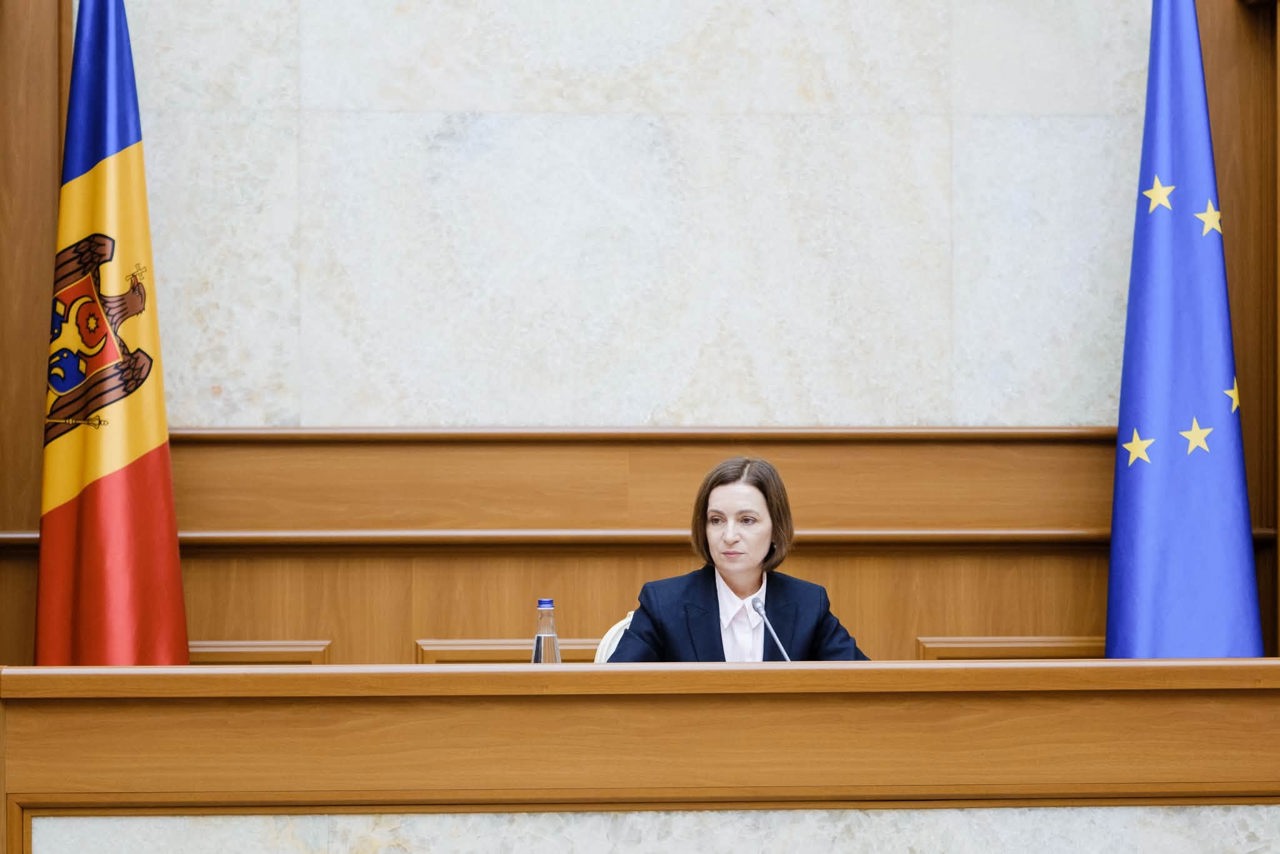
In Chișinău, Marta Kos will hold meetings with President Maia Sandu, Parliament Speaker Igor Grosu, Prime Minister Vasile Tofan, and other officials. The discussions will focus on priorities for European Union accession negotiations, economic development, and sectoral reforms.
The European Commissioner’s agenda also includes delivering a speech before the Parliament of the Republic of Moldova and participating in the annual conference on European Union enlargement.
On Monday, November 9, Marta Kos will attend a high-level meeting of the Connectivity Platform focused on developing digital infrastructure. Discussions will center on promoting regional projects and investments along the Middle Corridor.
Also on Monday, the European official will attend an event organized by the European Business Association (EBA) to mark its 15th anniversary. Prime Minister Vasile Tofan, EBA Executive Director Mariana Rufa, and the Association’s President, Carolina Bugaian, will attend.
On Tuesday, November 10, Marta Kos will meet with representatives of the Bureau for European Integration—the institution responsible for coordinating the Republic of Moldova’s European Union accession process.
The visit takes place against the backdrop of the Republic of Moldova’s efforts to advance its European integration process and aims to reaffirm the EU’s support for the country’s reforms and European aspirations. In addition to accession negotiations, the agenda will include cooperation in the energy sector, digital infrastructure development, and economic growth, with a focus on concrete projects that will benefit citizens and the business community.
On November 4, the European Commission presented its annual report on European Union enlargement, noting that the Republic of Moldova has made progress across all 33 negotiating chapters, with 25 of these reaching a higher level of preparedness.
Nevertheless, Brussels has highlighted the need to accelerate reforms—particularly in the areas of the judiciary, anti-corruption, agriculture, and environmental protection—where significant further effort is required.
Along with Montenegro, Albania, and Ukraine, the Republic of Moldova is one of the four candidate countries considered the most advanced in the accession process. For these nations, the European Commission has outlined roadmaps detailing the next stages of negotiations.
According to the proposed timeline, Chișinău could provisionally close 25 chapters in 2027: nine in the first half of the year and another 16 in the second half.
Meanwhile, the Republic of Moldova must meet intermediate objectives on the rule of law and make progress toward opening the final two clusters of negotiating chapters.
However, this timeline is indicative; adherence depends on implementing reforms and meeting conditions set by the EU.
The goal of the authorities in Chișinău is to conclude accession negotiations by early 2028.