Moldova imports 92% of its medicines, agency chief says
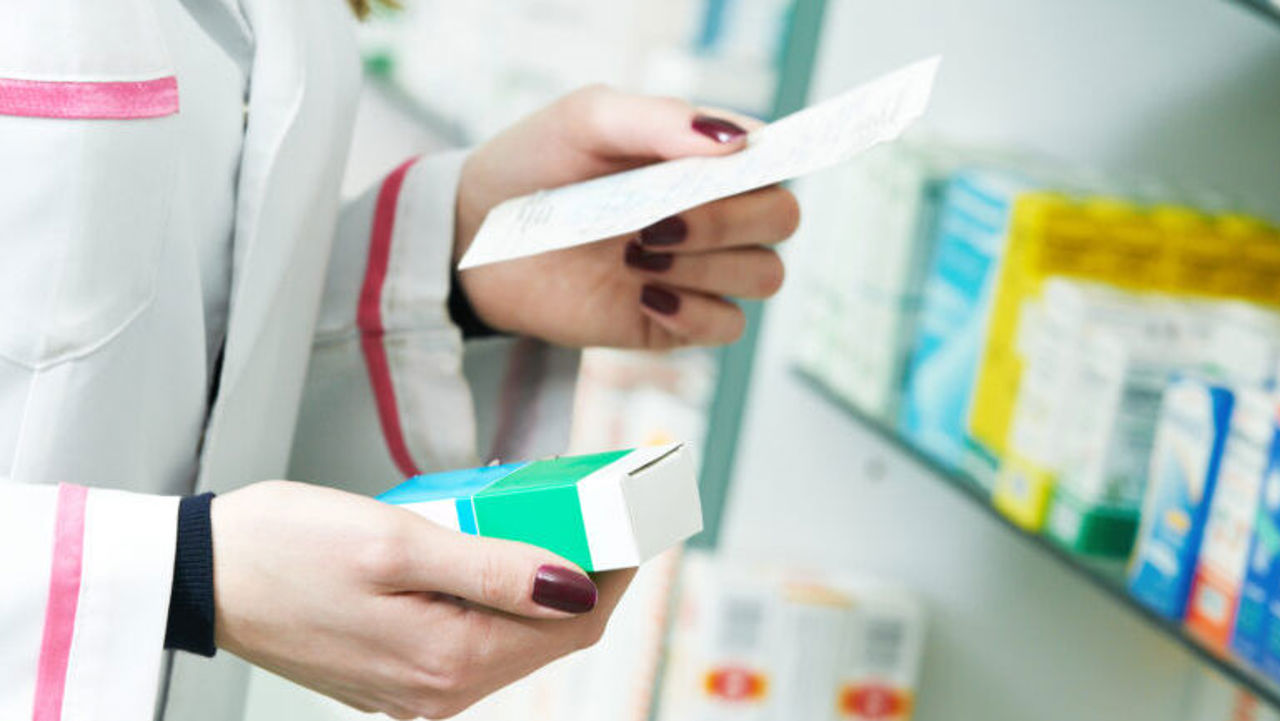
Moldova imports about 92% of its medicines in 2026, leaving the country reliant on foreign suppliers as the agency's director warns that marketing authorisation does not guarantee availability.
Drug safety starts long before medicines reach pharmacies
Every medicine intended for sale or use in medical practice in the Republic of Moldova must be registered or granted marketing authorisation by the Medicines and Medical Devices Agency (AMDM), under the Law on Medicines.
The agency's specialists and experts assess each medicine's quality, safety and efficacy before granting authorisation.
“However, oversight does not end with the authorisation process. Every medicine entering Moldova must be manufactured by producers holding the relevant certificates and complying with Good Manufacturing Practice (GMP). Warehouses and distributors must also be certified and comply with Good Distribution Practice (GDP). We are working to ensure that pharmacies obtain Good Pharmacy Practice (GPP) certification,” AMDM Director Iuliana Albu told Radio Moldova.
Moldova also has a laboratory that tests medicines to verify their quality. According to Albu, medicines undergo checks at every stage of the import process.
Imports account for 92% of medicines on the Moldovan market
Moldova remains heavily dependent on foreign pharmaceutical suppliers. According to data for 2026 cited by Albu, approximately 92% of medicines come from imports, while domestic production accounts for around 7–8%.
However, obtaining marketing authorisation does not necessarily mean a medicine will be available to patients.
“When a medicine is unavailable on the market, it becomes a problem. It is not enough for a medicine to be registered in Moldova, as this does not guarantee its availability. We must acknowledge that the Moldovan market is relatively small,” Albu said in an interview with journalist Galina Alcaz.
Manufacturers and marketing authorisation holders are required to notify state authorities of any interruption in supply, allowing the agency to intervene.
“If necessary, we allow temporary exceptional imports for an individual patient or a particular medical institution,” Albu explained.
Self-medication poses risks to patients
Albu also warned about the risks of self-medication, a widespread practice that can lead to serious health complications.
“Patients may assume that a medicine is harmless, particularly if it is available without a prescription, and change the dosage or frequency of use. The risks are even greater when patients have several medical conditions, chronic illnesses or complex treatment regimens. The fact that a medicine is labelled natural does not mean it is risk-free,” she said.
The agency director urged patients to read the patient information leaflet, follow their doctor's instructions and consult a pharmacist whenever they have questions about the proper use of a medicine.
Albu also advised parents to carefully read the leaflets and instructions before administering any medicine to children.
She particularly highlighted over-the-counter (OTC) medicines, including anti-inflammatory syrups, which can be purchased directly from pharmacies. Parents are advised to consult a pharmacist to ensure that the dosage is appropriate for the child's age and weight.
Translation by Iurie Tataru
RELATED COVERAGE