EU is preparing a support package for Moldova, with investments helping Moldovans build their future
The Republic of Moldova could conclude its EU accession negotiations by early 2028, provided it maintains the current pace of reforms and delivers tangible results. Although ambitious, this goal is achievable, President Maia Sandu and European Commissioner for Enlargement Marta Kos said. The country’s progress is also confirmed by the European Commission’s 2026 Enlargement Report, the two officials noted at the opening of the Annual Conference on EU Enlargement, held in Chișinău on November 9.
The Republic of Moldova has made progress across all 33 negotiating chapters, opened four of the six clusters, and is prepared to move to the next stage of the accession process, Maia Sandu said during the event.
"The report presented last week by the European Commission confirms the progress made by the Republic of Moldova. We have achieved good progress in judicial reform, the fight against corruption, public administration, education, the economy, and energy security. The Commission acknowledges our achievements in the fields of foreign policy, security, and defense. (...) We have demonstrated that Moldova can move forward even when its security is under threat," noted Maia Sandu.
According to the President, these results were achieved despite major challenges, such as the war launched by Russia against Ukraine, energy crises, and unprecedented attempts to destabilize the Republic of Moldova.
In this context, Maia Sandu said the country's experience could also prove valuable to other European states.
The Head of State also pointed out that, for the first time, the European Commission explicitly stated that concluding accession negotiations by the beginning of 2028 is achievable, albeit ambitious.
The accession process must advance based on merit, and the progress made by the Republic of Moldova should be recognized through concrete decisions by European institutions and member states, Maia Sandu insisted. Maia Sandu began her speech at the Annual Conference on EU Enlargement by recalling the fall of the Berlin Wall exactly 37 years ago—on November 9, 1989—a historic moment that paved the way for the "reunification of Europe."
The Head of State pointed out that many countries that emerged from totalitarian regimes regained their freedom, joined the European Union, and strengthened their economies, giving citizens a better standard of living and greater security for the future.

“2027 must be a year of concrete results”
Maia Sandu thanked the European Commission for its support and acknowledged the contributions of Parliament, national institutions, civil society, the business community, and local authorities to implementing reforms.
According to her, 2027 will be a decisive year for achieving the goal of concluding accession negotiations.
“Our objective is to be prepared to conclude accession negotiations by 2028. To this end, 2027 must be a year of concrete results, particularly regarding implementation. The European Commission has outlined its vision for the decision-making process following the accession of new members, as well as how it intends to ensure that all member states uphold European rules and values. For the Republic of Moldova, this discussion is essential. We seek a mechanism that guarantees the preservation of the rule of law and the continuation of reforms even after we have joined,” the Head of State declared.
In this context, Maia Sandu welcomed European-level discussions on strengthening mechanisms to protect the values and rules of the European Union, ensuring that the reforms already implemented are sustained beyond accession.
“We want clear rules in place so that Moldova can never be diverted from its European path. We want the reforms we are undertaking today to endure even after accession,” the President of the Republic of Moldova said. At the same time, Maia Sandu emphasized that, although not all decisions regarding the enlargement of the European Union depend on the Republic of Moldova, building a functional state—one where the law is respected—remains the responsibility of the country’s citizens and institutions.
“One thing, for certain, depends on each of us: the kind of country we build at home. A country where the law is respected, where people can work and live in safety, and where we are free, respected, and respectful of others. This is the Moldova we must build, no matter how difficult the path may be. And this is the Moldova we want to bring into the European Union. Our goal remains clear: to become a full member state of the European Union,” concluded Maia Sandu.
EU will prepare a new support package for the Republic of Moldova in 2027
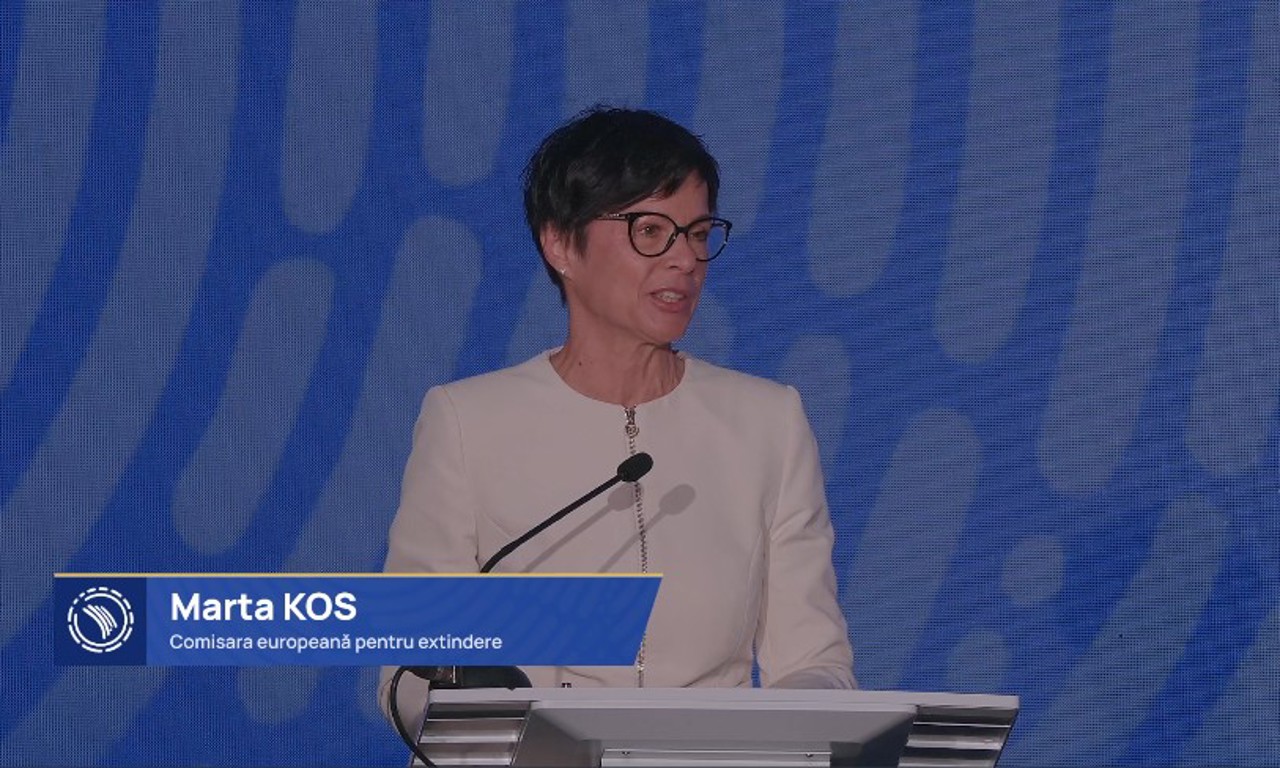
At the Annual Conference on EU Enlargement, European Commissioner for Enlargement Marta Kos highlighted the significant progress made by the Republic of Moldova and the accelerated pace of its reforms—including in challenging areas such as the extraordinary vetting of judges. Kos noted that these results were achieved despite unprecedented external pressures and are a testament to the political will and collective efforts of the Government, Parliament, and civil society.
The Commissioner said she expects EU member states to approve the opening of the two remaining negotiation clusters. Meanwhile, the European Commission is finalizing its assessment of whether the criteria and benchmarks necessary for advancing the accession process have been met. "The year 2026 has not yet come to an end. We will see even more positive news. We expect the European Council to give the green light for the opening of the two remaining clusters, while the European Commission is currently finalizing a positive assessment of the benchmarks and criteria required to advance the reform process. The report addresses democratic institutions and the consolidation of the reform path. This remains a key priority, as we aim to close negotiation chapters and make further progress in the European Union accession process. Consequently, 2027—as the President noted—will be a crucial year for delivering results and supporting your continued progress," stated Marta Kos in Chișinău.
She noted that a roadmap has been developed for the period ahead, emphasizing that the established objectives can be achieved provided that the Republic of Moldova maintains its current pace of reforms.
Thus, the Republic of Moldova could conclude negotiations on 25 chapters by the end of 2027, reaching a stage similar to that of Montenegro—a country currently nearing the completion of its own negotiations and already preparing its Accession Treaty.
“If the reform process continues at the same pace, it will place you on a very credible path toward concluding negotiations by 2028. Admittedly, this is a very ambitious goal. (...) We believe that this goal is achievable,” stated Marta Kos.
The European Union will continue to work with the authorities in Chișinău to ensure that progress made during the accession process translates into tangible benefits for citizens. Key priorities include developing the economy, improving living standards, and creating new opportunities for Moldovans within their own country.
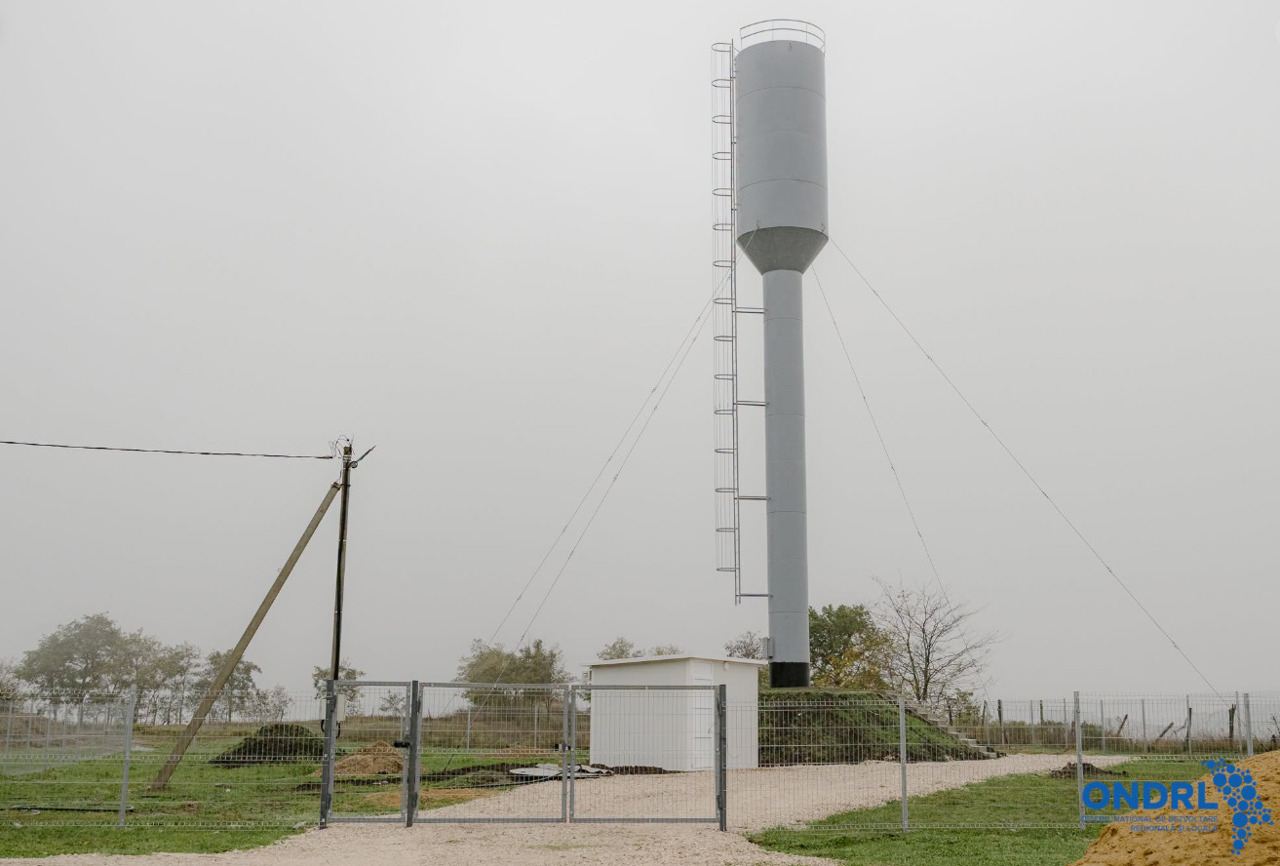
In this context, Marta Kos announced that in 2027, the European Union will prepare a new support package for the Republic of Moldova, based on the existing Economic Growth Plan. "The year 2027 will also be the year in which we prepare the next support package for you, based on a Growth Plan worth 1.9 billion euros. This includes new instruments and additional funding. This support is being provided because European investments translate into better infrastructure, access to drinking water, improved market access for the business community, and job creation opportunities—all of which will help the people of Moldova build their future at home," stated Marta Kos.
The European Commissioner reaffirmed the European Commission’s support for the Republic of Moldova throughout the entire accession process and encouraged the authorities in Chisinau to communicate their achievements more actively and to highlight their value.
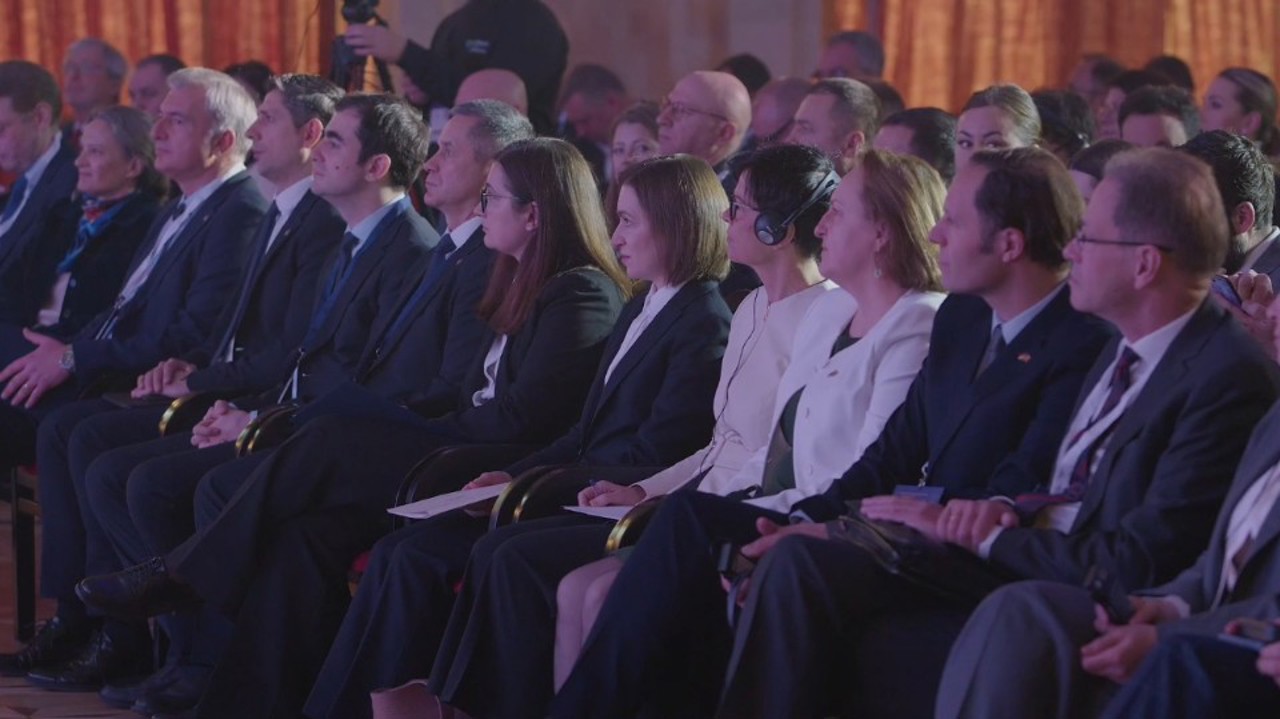
The Annual Conference on EU Enlargement is taking place from November 9–10 at the Palace of the Republic in Chișinău, under the theme: "The 2026 Enlargement Package: Advancing EU Accession Negotiations through Reforms, Dialogue, Transparency, and Social Cohesion."
The event, organized by the Bureau for European Integration, brings together over 700 participants.
The first day focuses on the 2026 Enlargement Package and reforms within the negotiation areas. On the second day, discussions will continue as part of the European Integration Forum, focusing on the Parliament's role, adherence to the rule of law, and the contributions of civil society and the media to the accession process.
The 2026 European Union Enlargement Report, published by the European Commission on November 4, confirms the progress made by the Republic of Moldova across all 33 negotiation chapters, with a higher level of accession preparedness recorded in 25 of them.
The document highlights achievements in areas such as justice, anti-corruption efforts, public administration, and energy security, while also emphasizing the need to continue reforms and ensure the effective implementation of legislation.
Furthermore, the proposed roadmap for 2027 outlines the possibility of provisionally closing 25 of the 35 negotiation chapters—nine in the first half of the year and another 16 in the second. The European Commission considers the Republic of Moldova’s goal of concluding negotiations by the beginning of 2028 to be ambitious but achievable, provided that the pace of reforms is maintained and the established criteria are met.