SIS chief warns of intensified Russian actions ahead of Moldova’s elections
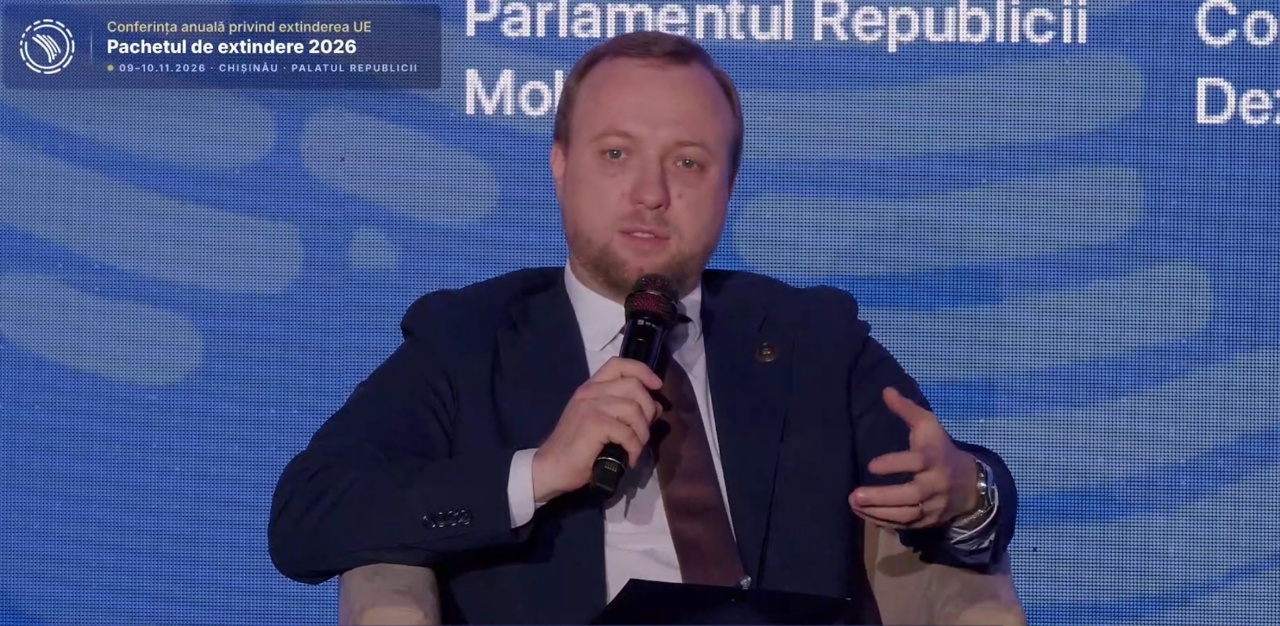
The Russian Federation is preparing to step up its influence operations in the Republic of Moldova ahead of upcoming elections. The Intelligence and Security Service (SIS) has already reported such activities in Gagauzia, where elections are set to be held for the position of Bashkan and for the autonomous region’s People’s Assembly.
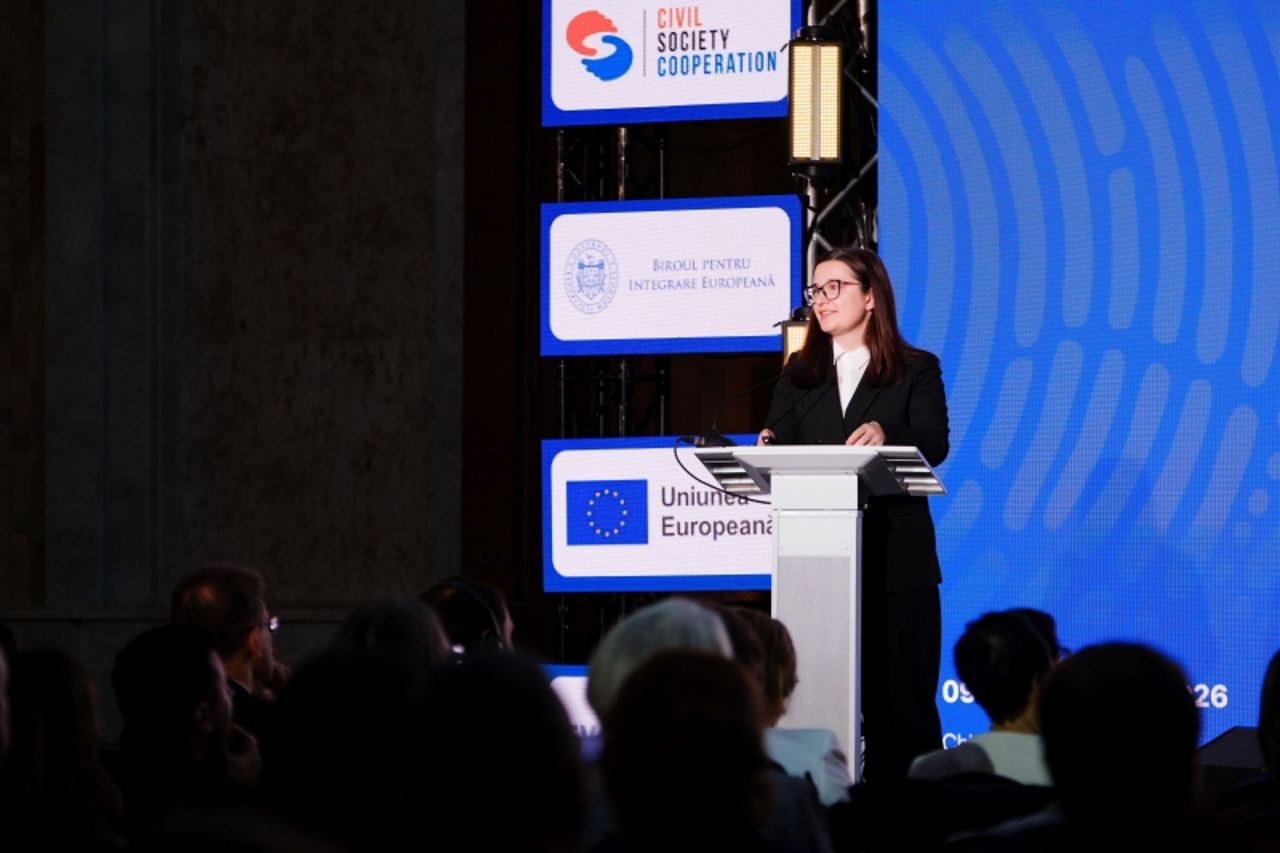
"We are once again facing three years of elections; we can already see the extent to which the Russian Federation is preparing and intensifying its actions. Elections are taking place in one of the regions of the Republic of Moldova where we are already witnessing some very interesting developments—I won’t go into the specific details, as these things are unfolding in real time," stated SIS Director Alexandru Musteața on November 9, at the Annual Conference on European Union Enlargement held in Chișinău.
According to the head of the SIS, progress in strengthening national security does not mean the threats have disappeared. Responsible institutions must continue their efforts to prevent and counter risks, in cooperation with European partners, Musteața said.
"This struggle does not end. Just because the Republic of Moldova has achieved very good results in the fields of security and defense, it does not mean that we should stop now. This is an ongoing process, and all relevant structures in the Republic of Moldova are highly active; they are doing their jobs and, whenever possible, coordinating their activities with European institutions," the SIS director said.
Cooperation with European intelligence services has intensified in recent years, including through the exchange of information and participation in joint operations.
Alexandru Musteața explained that this progress was also made possible by the reform of the SIS—initiated in 2022—which aimed to reorganize the institution and modernize its legislative framework. "We are an active partner of the European Union’s intelligence center—INTCEN—with whom we work very closely. This has been evident both through the information released by the SIS over the years and through various joint actions and operations that are not made public," stated Musteața.
According to the SIS director, the Republic of Moldova is no longer merely a beneficiary of regional security; rather, it actively contributes to its strengthening.
This development is due, in part, to the capacity of national institutions to identify threats early on and to take measures to prevent and counter them, the head of the SIS said.
"Today, I can say with full confidence—and the world has seen this—that the Republic of Moldova also acts as a generator of security in the region. This applies to the intelligence sphere—which entails the prior, proactive identification of various risks, as well as actions to dismantle or avert them—and also to the defense sector, where we are likewise seeing significant changes," declared Alexandru Musteața.
The statements by the head of the SIS come shortly after President Maia Sandu stated that she expects further attempts by the Russian Federation to destabilize the Republic of Moldova.
Moscow reportedly aims to create internal tensions to hinder the country’s accession process to the European Union, Maia Sandu declared on November 6, following a meeting of the National Security Council.
Russian interference in electoral processes has previously been documented by the SIS. In a report presented to Parliament in December 2024, the agency revealed that a command center had been established in Moscow to undermine the presidential election and the constitutional referendum held that autumn. According to the SIS, these operations were coordinated through a network led by Ilan Șor, which had access to financial, media, and logistical resources.
The parliamentary elections in September 2025 were also affected by external interference. In their final report, published in February 2026, OSCE observers noted instances of illegal financing, cyberattacks, and disinformation.
In its preliminary assessment, the international mission identified Russia as the source of large-scale hybrid threats.