Moldova receives €30 million in non-repayable EU aid for energy compensation
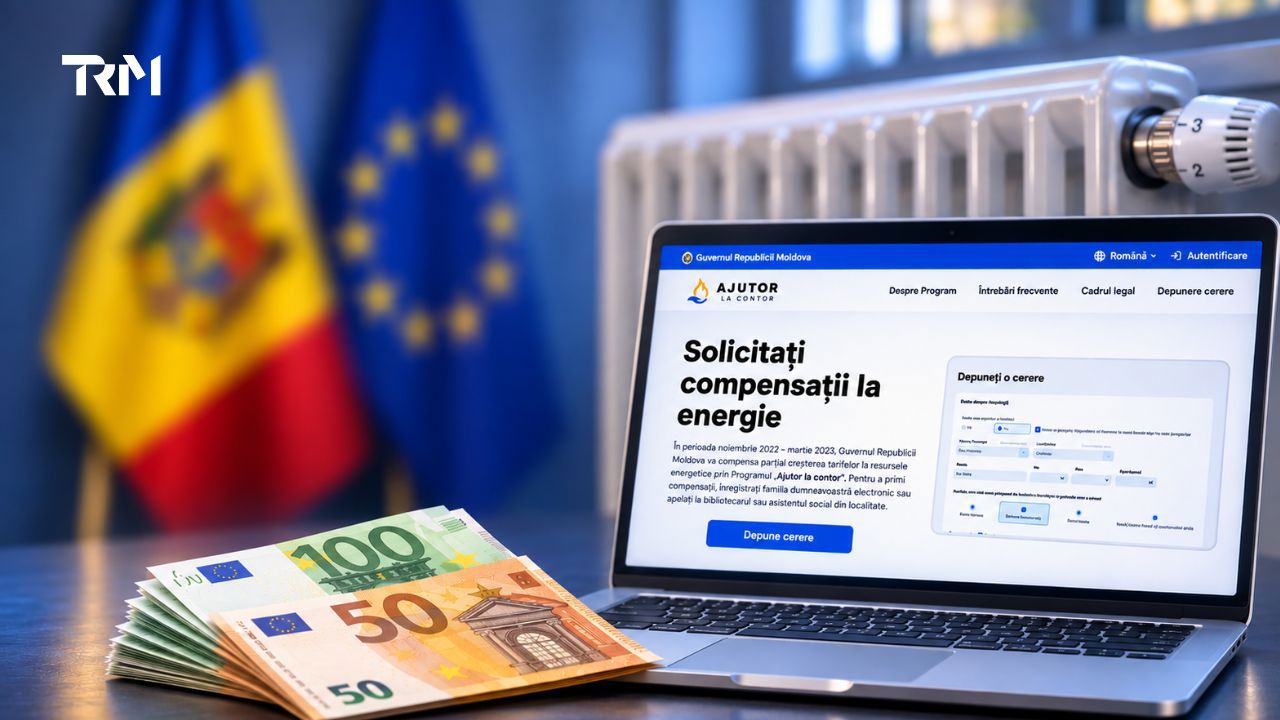
The €30 million in support for Moldova’s cold-season compensation program, announced in Chișinău by European Commissioner for Enlargement Marta Kos, is a non-repayable grant, government spokesperson Dumitru Ciorici told Teleradio-Moldova.
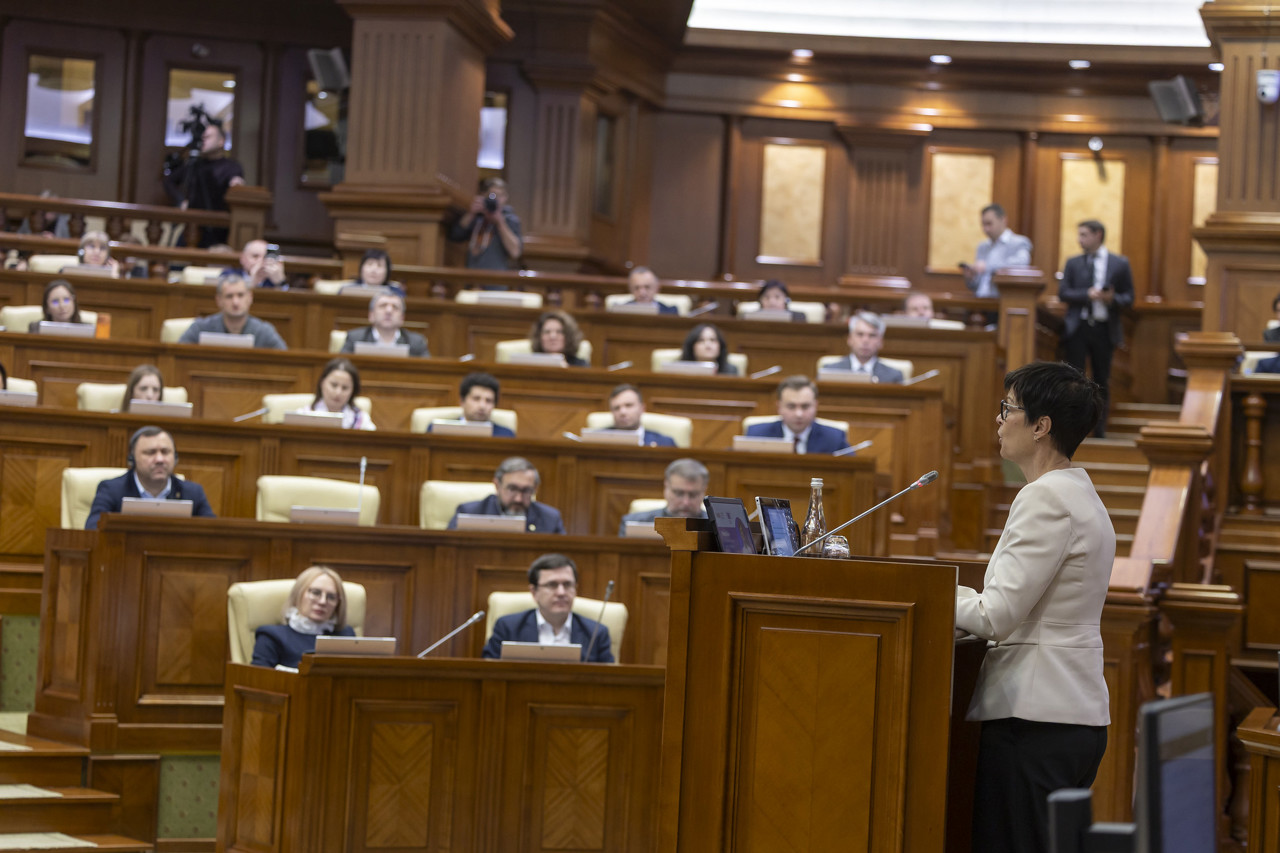
The financial aid was announced on November 9, during a speech delivered by Marta Kos in the Parliament of the Republic of Moldova.
The Commissioner noted that uncertainties in the energy market—stemming, among other factors, from the closure of the Strait of Hormuz and low water levels in the Danube and the Prut—have significantly contributed to rising energy prices.
Since 2021—beginning with initial measures adopted in the context of the natural gas crisis and rising prices—the European Union has provided financial support to the Republic of Moldova to help vulnerable households cope with energy costs, particularly during the cold season.
The first tranche of financial aid, amounting to 60 million euros, was granted in December 2021 through the State and Resilience Building Contract. These funds were intended to support social measures the Government adopted to mitigate the impact of the energy crisis.
In August 2022, the European Union provided the Republic of Moldova with a 75-million-euro grant to support the population amidst rising energy prices and to help secure the resources needed for the 2022–2023 cold season.
The following year, the EU provided an additional 105 million euros in the form of a grant for the Energy Vulnerability Reduction Fund. This assistance was part of a support package totaling 250 million euros. The funds helped finance compensation provided to the population through the government’s "Energy Bill Support" (Ajutor la contor) program.
In the subsequent period, European Union support was expanded—both to help the population with their utility bills and to bolster the business sector and strengthen energy security.
In January 2025, following the cessation of natural gas supplies by Gazprom, the European Union announced emergency aid amounting to 30 million euros, aimed at stabilising the energy system and mitigating the impact of the crisis on the population.
In February 2025, with financial support from the EU, the Government established a compensation mechanism for electricity bills, applicable to all household consumers. The compensation covered the price increase for the first 110 kWh consumed each month. Also, in 2025, the European Union allocated 15 million euros to subsidise electricity bills for small and medium-sized enterprises.
Following the announcement of the new European support on November 9, Prime Minister Vasile Tofan stated that the 30 million euros—equivalent to over 600 million lei—will be used to subsidize energy bills during the 2026–2027 cold season.
Total funding is estimated at 2.7 billion lei, with 550 million lei already allocated in the 2026 state budget.
"We must support the people while simultaneously keeping the budget deficit under control. That is why we are working actively with our external partners to identify additional resources, ensuring that as little of this winter’s burden as possible falls upon families and the state budget," declared Vasile Tofan.
According to estimates by the Ministry of Labor and Social Protection, between 660,000 and 670,000 households could benefit from the compensation. The support will range from 500 to 1,000 lei per month, depending on the heating source.
For November, applications can be submitted until November 27, either via the compensatii.gov.md platform or with assistance from social workers.