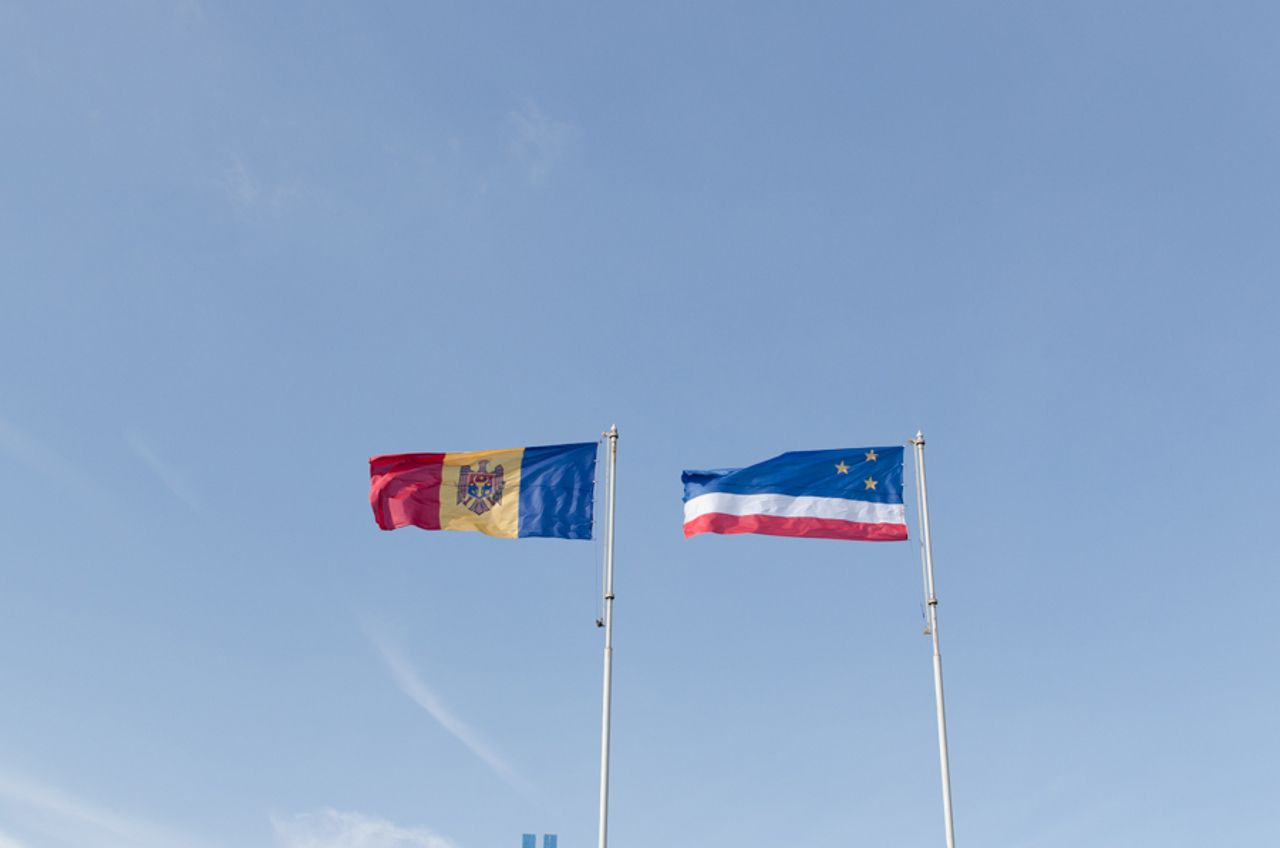
Ministry of Defense is drafting a new law
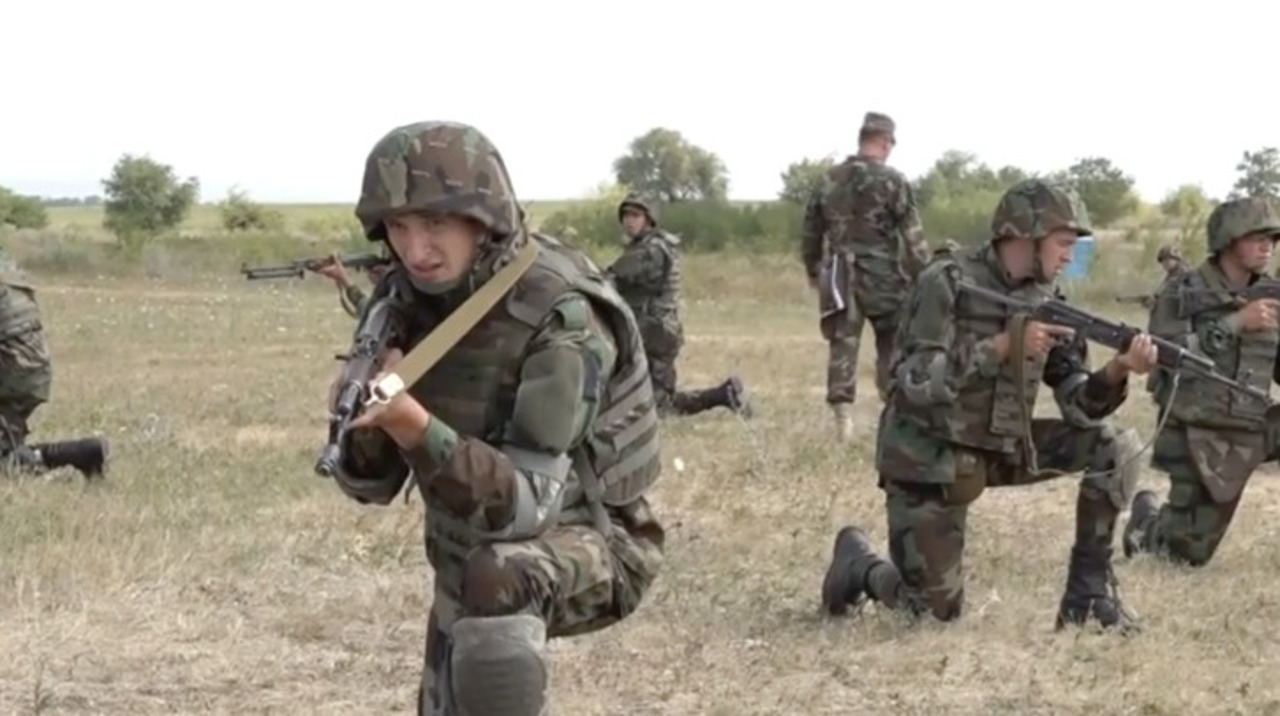
The Republic of Moldova could adopt a new law regulating the conditions for declaring a state of siege or war. The Ministry of Defence is drafting a bill that defines the responsibilities of state institutions, the measures that may be implemented, and citizens' obligations in such situations.
According to authorities, the document updates the 2004 legal framework and imposes no additional obligations on citizens living abroad. However, certain provisions—specifically those concerning the mobilization of reservists and restrictions on movement—have raised concerns among the public.
The 2004 law governing states of siege and war could be replaced by new legislation to clarify procedures and the responsibilities of state institutions. This update is necessary because both institutional structures and the security environment have evolved over the last 20 years, explained Vitalie Cojocari, a deputy director at the Ministry of Defense, during the program "Spațiul Public" on Radio Moldova.
"Over the past 20 years, state institutions—including the structures of ministries and other bodies—have undergone changes. Furthermore, the security environment has also shifted; such a law is standard practice in a democratic state: it involves modification, updating, and adaptation to address new threats to national security."
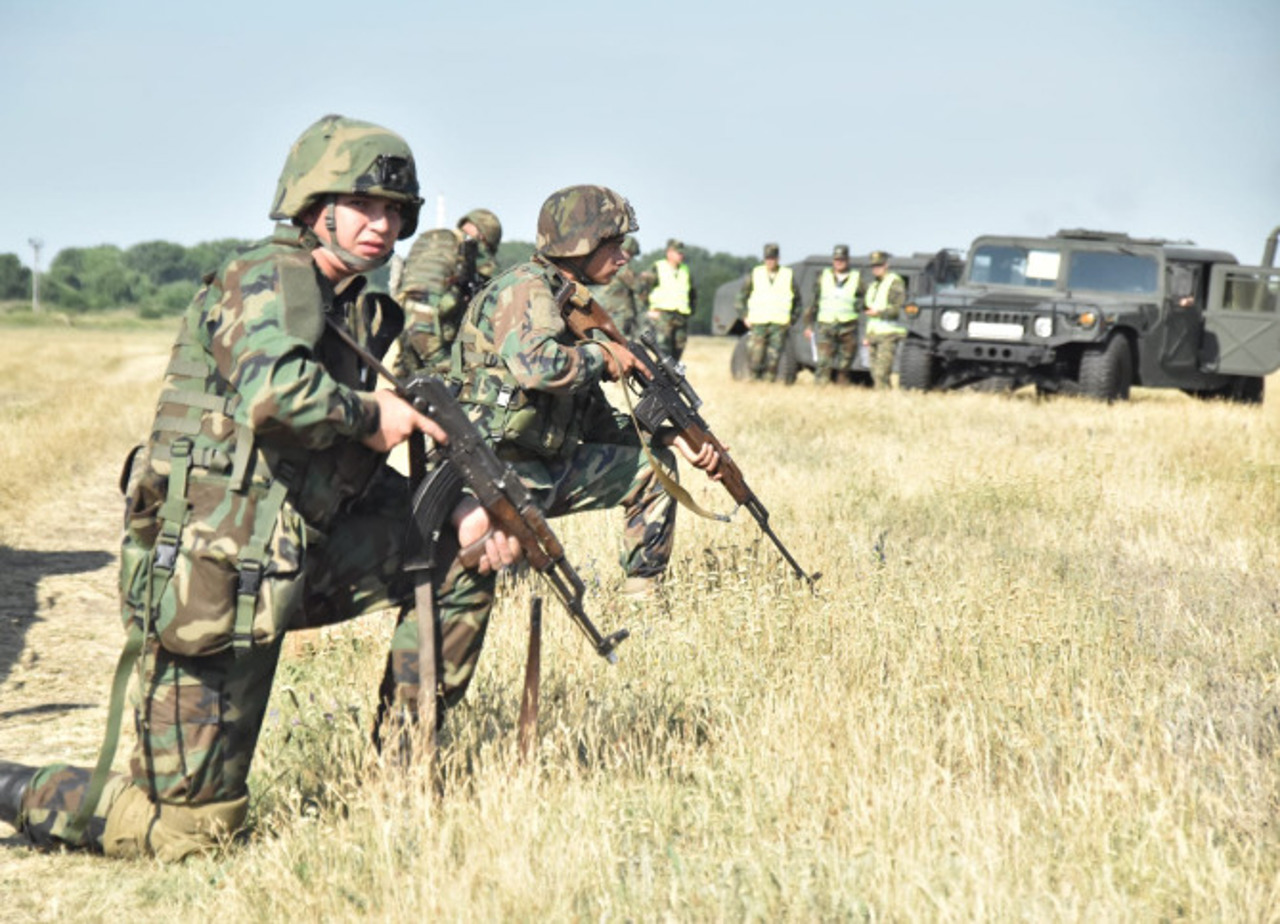
The draft law establishes the circumstances under which two types of emergency regimes may be instituted. A "state of siege" could be declared in the event of an imminent threat of armed aggression or hostile military actions, while a "state of war" could be declared in the event of actual aggression against the Republic of Moldova. Parliament would make the decision on the proposal of the competent authorities. Alexandru Strătilă, head of the Legal Directorate at the Ministry of Defence, maintains that the draft law does not introduce any new obligations for citizens residing abroad.
"The draft law does not apply to the diaspora as a whole, nor to all citizens living abroad. It does not provide a mechanism to forcibly bring citizens back from abroad should these states be declared. This provision applies only to individuals who, under the law, are subject to mobilization obligations and have received a call-up order. In other words, we are specifically referring to reservists."
Alexandru Strătilă also noted that another provision concerns travel restrictions in the event that a state of siege or state of war is declared. While current law requires individuals to notify military authorities whenever they leave their place of residence—regardless of the duration of their absence—the draft law stipulates that such notification will not be required for departures lasting less than 12 hours.
Artur Leșcu, a security expert with the WatchDog Community, believes that updating the legislative framework is necessary to ensure the state is prepared for potential military threats. According to him, the Republic of Moldova’s status of neutrality does not negate the need to strengthen its defense capabilities. "The more neutral a state is, the more it must rely solely on its own resources. [...] Conditions have changed, and it is only natural for the state to consider its own security and that of its citizens—ensuring that laws are aligned with existing threats," noted Artur Leșcu.
This legislative initiative has drawn criticism from the parliamentary opposition. Socialist leader Igor Dodon has called for the bill’s withdrawal, arguing that it is causing public concern. Vasile Costiuc, leader of the "Democracy at Home" party, made a similar demand and announced the launch of a petition against adopting the document.
President Maia Sandu recently stated that the Republic of Moldova requires updated legislation for scenarios involving war or a state of siege—even as the authorities work to prevent such situations. According to the head of state, the draft legislation developed by the Ministry of Defence includes provisions used in other countries. At the same time, the President criticized the Ministry for failing to provide timely explanations regarding the new proposals, which have sparked public concern and faced opposition from political rivals.