Moldova backs former Romanian PM Dacian Cioloș for Francophonie Secretary General
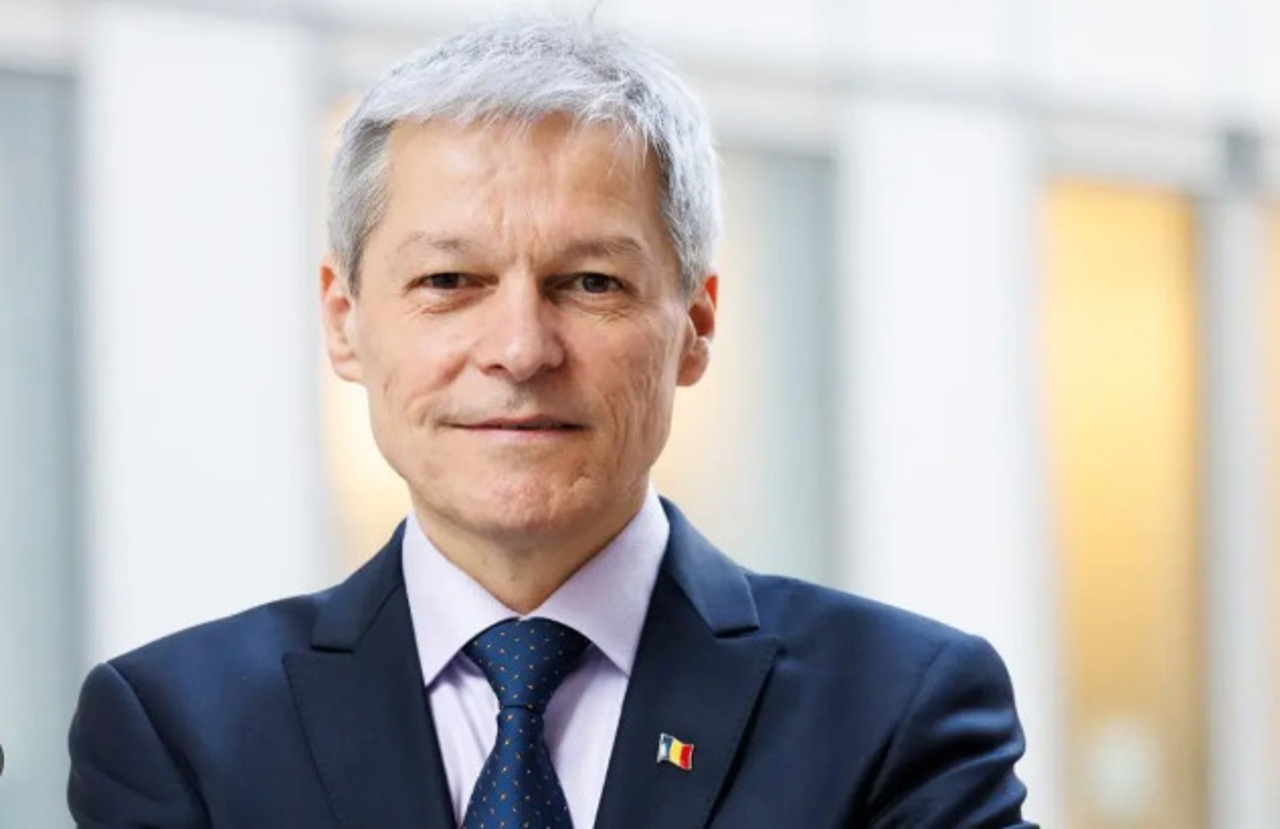
The Republic of Moldova will back former Romanian Prime Minister Dacian Cioloș’s bid to become Secretary General of the International Organisation of La Francophonie (OIF). The election for the 2027–2030 term is scheduled for the organisation’s summit on November 15–16 in Phnom Penh, Cambodia.
The event will bring together representatives from 90 states and governments, who will also set the organization's priorities for the coming years.
Authorities in Chisinau believe that the potential election of a Romanian candidate to lead the International Organisation of La Francophonie (OIF) would be both a diplomatic success for Romania and an opportunity for the Republic of Moldova to develop its economic relations, attract investment, and access new markets.
"This is an important candidacy for Romania—our strategic partner and closest friend. If successful, Romania will take the helm of one of the major international organizations to which both our countries belong," stated government spokesperson Dumitru Ciorici.
According to him, the International Organisation of La Francophonie—which unites 90 states and governments across five continents—serves not only as a space for linguistic and cultural cooperation but also as a significant platform for developing economic ties, promoting investment, and accessing new markets.
"For Moldova, these connections could create new opportunities for exporters and investors," the government spokesperson added.
The election of the new Secretary General will take place during the 20th Francophonie Summit, scheduled for November 15–16 in Phnom Penh, the capital of Cambodia.
Representatives from the 53 full member states and governments, five associate members, and 32 observers are expected to attend. Only full members have the right to vote in the election of the Secretary-General.
Among the leaders who have announced their participation in the summit are French President Emmanuel Macron and Canadian Prime Minister Mark Carney.
According to the Chisinau government, decisions at this level are traditionally preceded by direct consultations and efforts to reach a consensus among member states.
"Discussions among the leaders present carry particular weight," the government spokesperson noted, emphasizing that Romania is counting on the support of the Republic of Moldova.
"It is only natural that we stand by them at a time with such significant diplomatic and economic stakes," Ciorici pointed out.
Cioloș’s candidacy: A “compromise” option
Four candidates are in the running for the position of Secretary General of the OIF (International Organisation of La Francophonie): the incumbent, Louise Mushikiwabo from Rwanda—who is seeking a third term—Juliana Lumumba from the Democratic Republic of the Congo, Coumba Ba from Mauritania, and Dacian Cioloș from Romania.
The vote is scheduled for Monday, November 16, and will take place behind closed doors, AFP said.
Dacian Cioloș has expressed confidence in his candidacy, suggesting it could serve as a compromise solution among the member states.
At a press conference held in Paris before his departure for Cambodia, Romania’s candidate stated that his priority is to maintain the organization’s unity, regardless of the election outcome.
“I believe that both my candidacy and my platform can form the basis for a compromise,” Cioloș affirmed.
He highlighted the risk of a rift within the Francophonie, given the tensions between Rwanda and the Democratic Republic of the Congo. Authorities in Kinshasa have threatened that their country might leave the organization if the incumbent, Louise Mushikiwabo—who is backed by Rwanda—secures a third term.
The Democratic Republic of the Congo, which has the world's largest Francophone population, is supporting Juliana Lumumba in the race.
Against this backdrop, Cioloș has advocated for overcoming political differences and preserving cooperation among the member states. "La Francophonie must remain united!" stated the Romanian candidate, who argues that Africa must remain at the heart of the organization and be appropriately represented within its decision-making structures—all while ensuring that other member states do not feel excluded.
"I bring a candidacy that is inclusive, that unites, and that entails a capacity for mediation—all to keep this organization united," declared Dacian Cioloș.
Four candidates for the leadership of La Francophonie
Louise Mushikiwabo has led the International Organisation of La Francophonie since 2018 and is running for a third term. Before taking the helm of the organization, she served as Rwanda’s Minister of Foreign Affairs for nine years (2009–2018), having previously held the position of Minister of Information. For a new term, she aims to accelerate the organization’s programs in areas such as digitalization, entrepreneurship, and youth employment.
Juliana Lumumba, the candidate from the Democratic Republic of the Congo, is a former Minister of Culture and the daughter of Patrice Lumumba—a leader in the anti-colonial struggle and the first Prime Minister of the Republic of the Congo, who was assassinated in 1960. Her platform focuses on intensifying intercultural exchanges, promoting dialogue between French and other languages spoken in member states, and developing a Francophone climate pact.
Coumba Ba, Mauritania’s candidate, is a dentist by profession and entered politics in 2005. She has held several ministerial positions and currently serves as an advisor to Mauritania's President and as a special envoy to the OIF (International Organisation of La Francophonie). Her candidacy is rooted in the concept of "constructive neutrality," in line with her country's diplomatic stance, which is situated at the crossroads of the Arab world, sub-Saharan Africa, and the Sahel region.
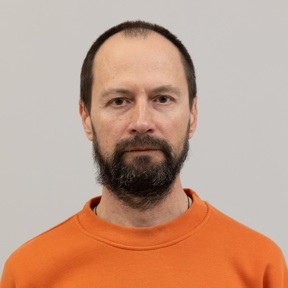
Dacian Cioloș served as Prime Minister of Romania from 2015 to 2017, European Commissioner for Agriculture from 2010 to 2014, Member of the European Parliament from 2019 to 2024, and leader of the Renew Europe group in the European Parliament between 2019 and 2021. Through his candidacy, he aims to increase the visibility of the Francophonie and transform the French language into a "language of opportunity," including within the economic sphere. His platform draws on his experience mediating the interests of various states and managing projects and budgets at the European level.
The Phnom Penh Summit takes place against a backdrop of significant diplomatic stakes, as the election of the new Secretary General will determine the organization’s leadership direction for the next four years.