REPORT | State-owned enterprise directors earn over 120,000 lei amid millions in losses
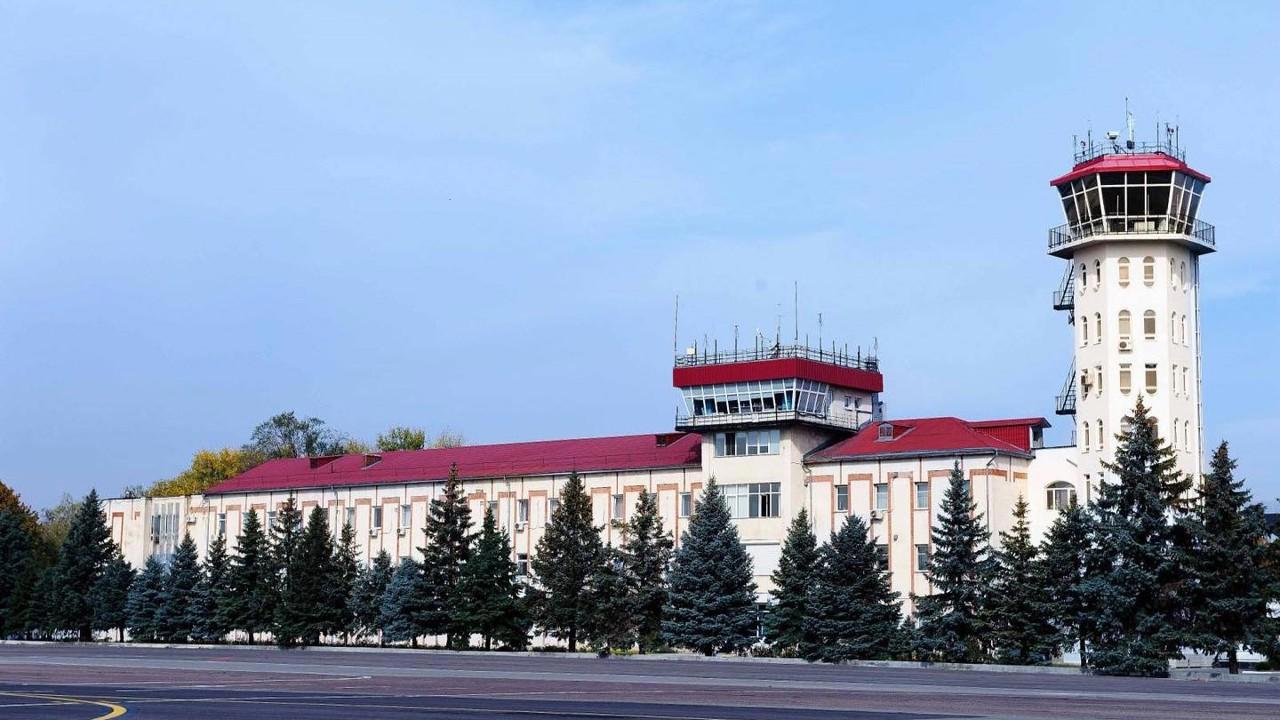
State-owned enterprises manage assets worth tens of billions of lei, yet some continue to incur losses while certain directors earn more than 100,000 lei a month. These findings come from a parliamentary inquiry into the management of public assets. Parliament is due to review its report on Monday, November 16. The document highlights mismanagement, inadequate record-keeping, and delays in restructuring underperforming enterprises.
According to the report, the 115 state-owned enterprises and companies monitored by the Finance Ministry had debts exceeding 25 billion lei at the end of 2024. Together, they posted profits of about 1.1 billion lei, driven largely by a few major companies, including Energocom, Chișinău International Airport and the National Lottery.
By contrast, 37 of the 87 monitored state-owned enterprises ended 2024 in the red—nearly twice as many as in 2023. Their combined losses reached 517 million lei.
Some enterprise executives earn more than 120,000 lei a month
The report found that monthly pay for state-enterprise executives varied considerably. The highest figure was at Chișinău International Airport, where the head earned an average of about 123,100 lei a month, compared with an average employee salary of 29,200 lei.
At MoldATSA, the chief executive’s average monthly remuneration was 112,600 lei, while the average employee salary stood at 63,600 lei. At Poșta Moldovei, the head received an average of 74,000 lei a month—more than eight times the employees’ average of about 9,000 lei.
The figures include not only base salaries but also bonuses, awards and other payments. The commission found that executives’ high earnings were not always tied to their enterprises’ financial performance.
At MoldATSA, for instance, the average employee salary rose by 93% from 2019 to 2025, reaching 63,600 lei. Over the most recent two years examined, it climbed by 71%, even though staffing levels remained almost unchanged. Meanwhile, Moldova’s Railway reported an average salary of about 9,300 lei and accumulated losses of nearly 800 million lei between 2019 and 2025.
In addition to executive salaries, the state spent about 205 million lei between 2017 and 2026 on board members and other management and oversight bodies, including profit-based rewards. The commission said these payments were not sufficiently linked to enterprise performance.
Hundreds of enterprises poorly documented by the state
The report also highlights the absence of a reliable register of state-owned enterprises. In August 2026, the Public Services Agency listed 513 enterprises, while the Public Property Register recorded only 163 at the beginning of 2025. The discrepancy is partly explained by the large number of inactive enterprises that have not been removed from the registers.
Moreover, of the 152 enterprises administered by central public authorities, only 77 were active at the beginning of 2026. Another 28 were undergoing insolvency proceedings, 14 were being liquidated, and 33 were not engaged in economic activity.
The commission also found that 42 enterprises due to be struck off in 2019 were still listed in official registers. In 36 cases, government records conflicted: the Tax Service listed the enterprises as dissolved, while the Public Services Agency still showed them as active.
Land management presented further problems. For example, investigators identified 137 privately owned structures on land managed by the State Road Administration, with no fees being paid for use of the land.
Privatisations delayed as companies remain loss-making
The report says reform of state-owned enterprises is progressing slowly. Although the authorities decided in 2023 which enterprises to retain, restructure, privatise or close, only nine liquidations and 16 reorganisations had been completed by the time the report was drawn up.
Among the companies earmarked for privatisation are Chișinău’s Zarea Hotel, offered at a starting price of 106 million lei, and the Chișinău Glass Factory, with a starting price of 773 million lei. At the time the report was prepared, none of the five entities slated for privatisation had been sold.
Audits proposed at the airport, Energocom, Moldtelecom and other companies
Following the inquiry, Parliament is being asked to order further scrutiny of several state-owned companies.
The Court of Accounts is advised to include Chișinău International Airport, the National Lottery, Poșta Moldovei and Energocom in its 2027 audit programme.
The State Financial Control Inspectorate is also expected to inspect the operations of the National Road Administration, Energocom, Moldtelecom and Metalferos. The National Anticorruption Centre is being urged to conduct an integrity assessment at Chișinău International Airport and submit its findings to Parliament.
The proposal also calls on the Government to prepare, within six months, the amendments needed to improve the management of state-owned enterprises. Recommendations include limiting how long enterprises can be run by acting directors, tying pay to performance, and maintaining clearer records of public assets.
Parliament established the inquiry, chaired by MP Dinu Plîngău, on 2 July 2026 following problems at MoldATSA. Parliament registered its report on 5 October, and it is due to be reviewed at the sitting on 16 November.