Moldova museum brings Cucuteni culture to life with VR tech
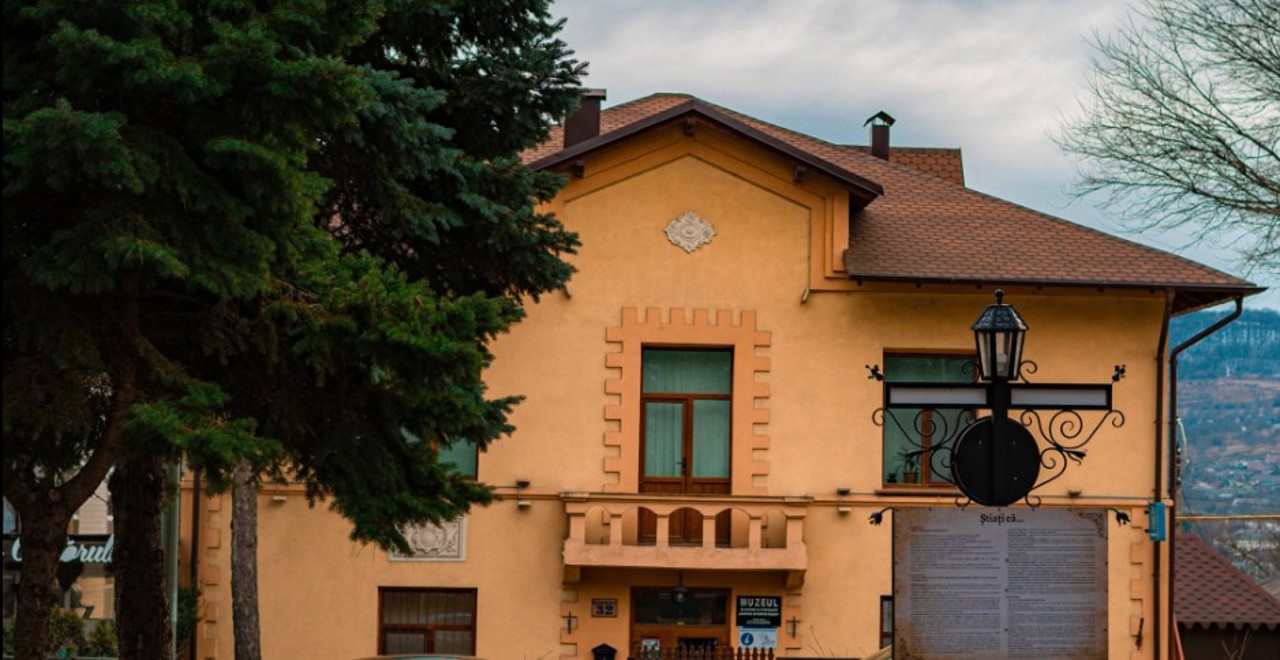
The Călărași Museum of History and Ethnography has integrated virtual reality headsets and three-dimensional dioramas into its exhibition halls, offering visitors an interactive exploration of the prehistoric Cucuteni–Trypillia civilization.
The modernised exhibition space enables visitors to examine physical pottery relics alongside reconstructed digital villages and anthropomorphic figurines. The initiative aims to make archaeological discoveries accessible to a broader audience, bridging the gap between preserved antiquities and visual learning.
Interactive archaeological exhibits
Curators noted that the Cucuteni–Trypillia culture, which flourished millennia ago and predates Egypt's pyramids, often proves difficult for the public to visualise through conventional displays alone.
“Through the VR headset, visitors can explore the same ceramic vessel that sits behind glass in the display cabinet,” museum specialist Mariana Iurcu said on Radio Moldova's program “Zi de Zi”. “Over the years, we observed that visitors lacked sufficient context to understand why this civilization is considered one of Europe's oldest, and this project illustrates how these ancient settlements functioned.”
Modernising regional cultural institutions
The upgrade reflects an effort to transform traditional exhibition spaces into dynamic cultural centres that invite direct public engagement.
“We wanted to move beyond the traditional, austere museum model where visitors are told not to touch anything,” Iurcu noted. “Museums thrive when communities discover history actively, and technology helps unlock that potential.”
The modernised hall was developed with grant support from the public association “Institutum Virtutes Civilis” under the “Moldova – Home for Everyone” initiative, implemented in partnership with the Soros Foundation Moldova.
Translation by Iurie Tataru
RELATED COVERAGE
- Moldova digitizes five rural museums with interactive 3D tours
- Inside Moldova's smallest museum reviving village traditions
- New exhibition at the National Museum of Ethnography captures the vanishing heritage of Orheiul Vechi
- Moldova's Varvara Buzilă wins top Europa Nostra Heritage Award
- Chișinău hosts 25th ethnic festival with 24 communities